

How to Master Triple Unders: The Coaching Cues That Actually Make a Difference
WATCH NOW
David Newman | RXSG CEO & Expert Jump Rope Coach
For many athletes, the triple under is the holy grail of jump roping.
Triple unders are faster than double unders, require more accuracy, and need timing that you can't achieve by just spinning the rope harder. One of the biggest misconceptions about triple unders is that you need to move faster to succeed. In fact, as this coaching session illustrates, quite the reverse is often true.
The secret to nailing triple unders is to create more airtime, stay relaxed, and create repeatable movement patterns that allow the rope to do the work.
Whether you're working toward your very first triple under or trying to link multiple reps together, these coaching cues can help you build the right foundation:
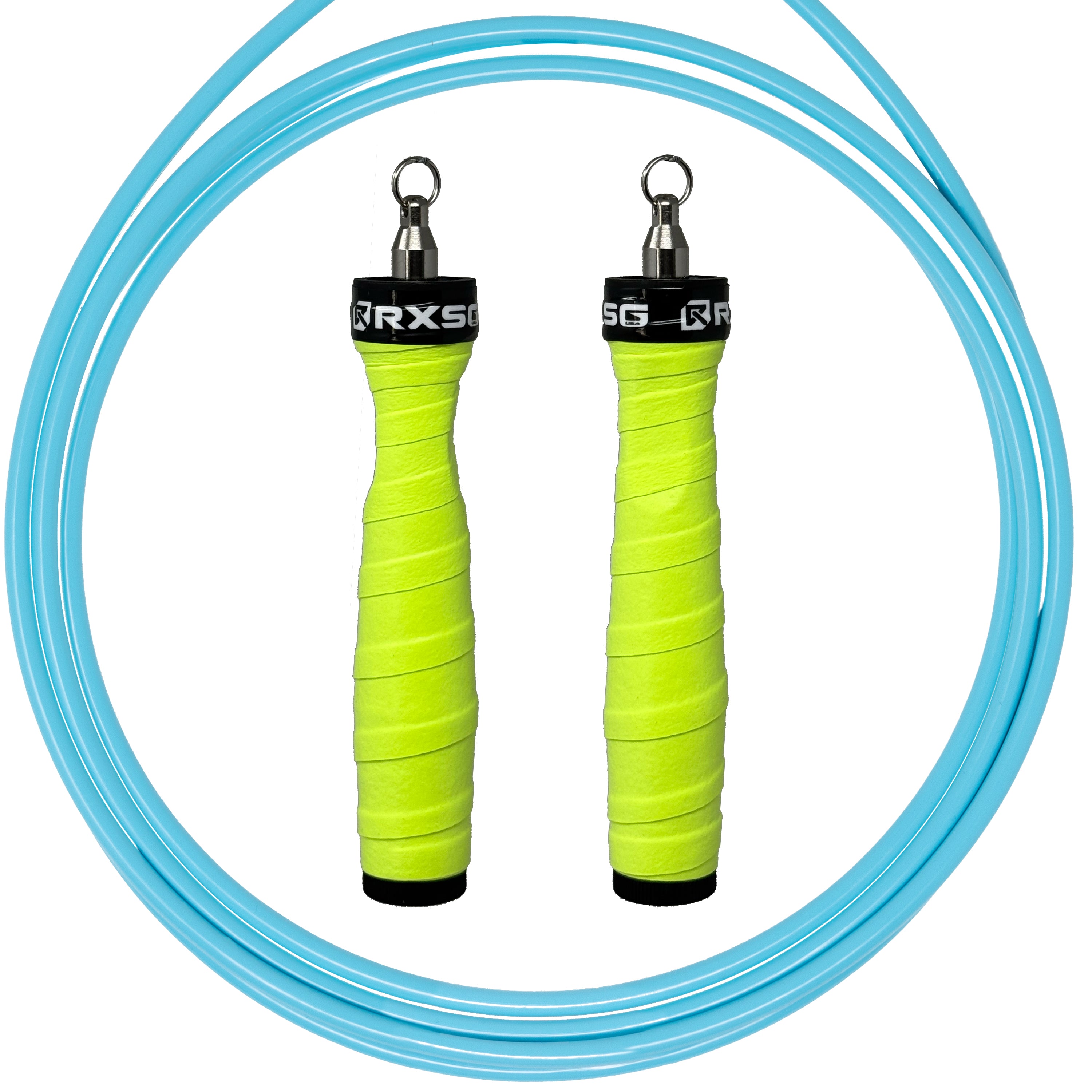
Start With the Right Rope Setup
Before worrying about technique, make sure your equipment is working for you—not against you.
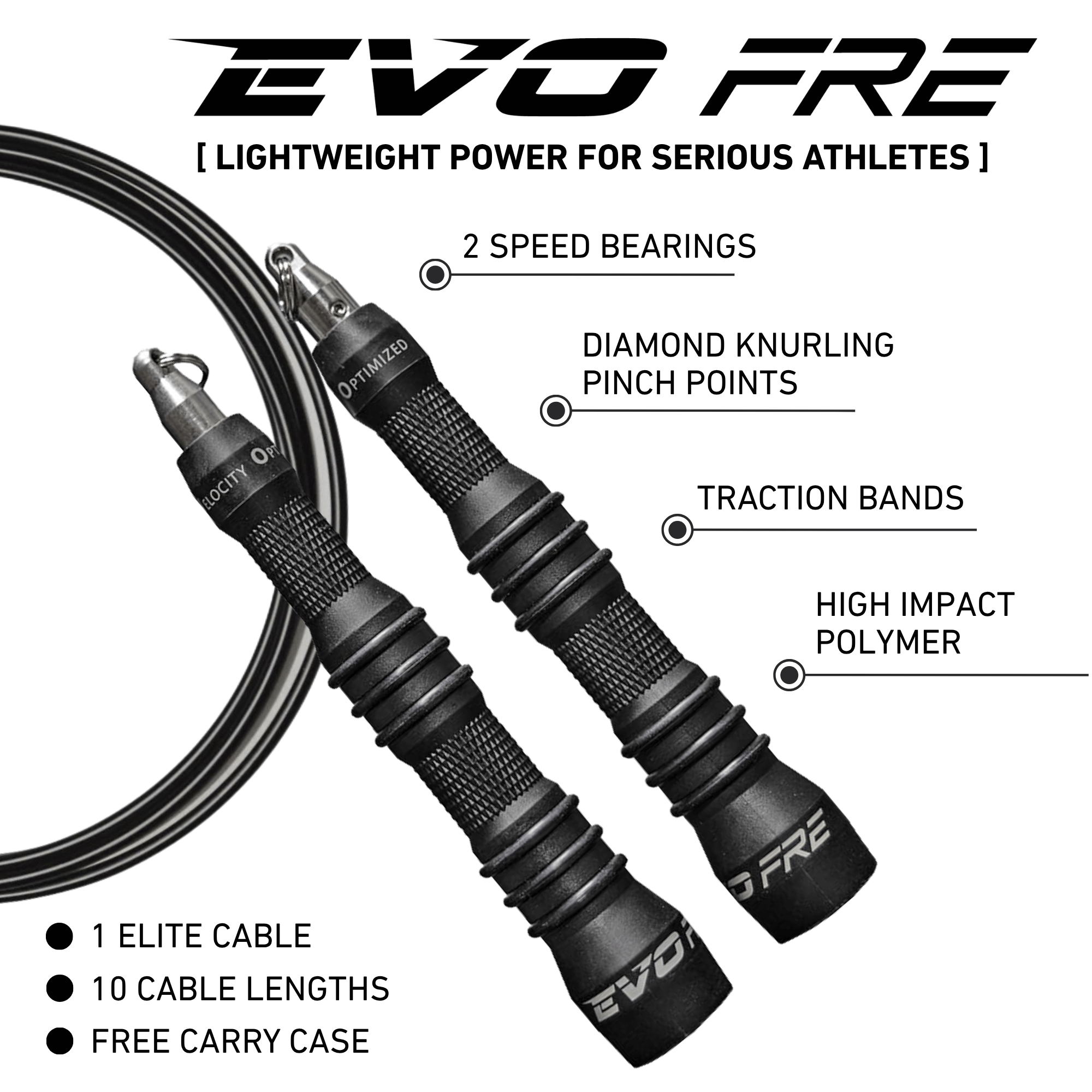
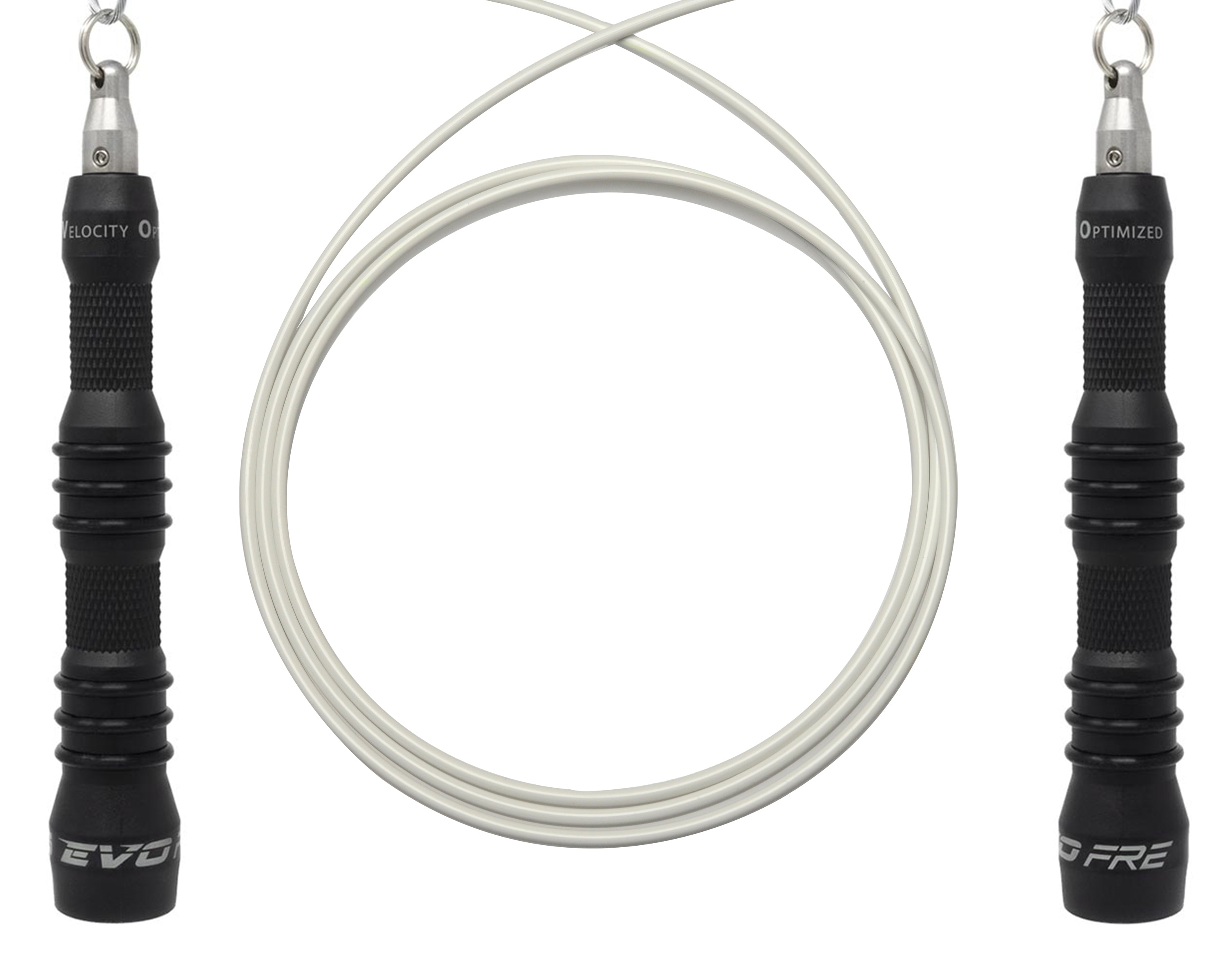
One of the first things covered in the session is rope sizing. A properly sized rope allows the rope to pass efficiently over your head and under your feet while keeping your hands in the strongest position: just outside your hip crease.
Some athletes add a bit of length to the rope when learning triple unders, but more isn’t always better.
Longer ropes rotate slower and are harder to get speed with. The theory is to find the balance between adequate clearance and maximum efficiency.
As Dave explains, you want to work smarter, not harder.



1. Relax Your Hands
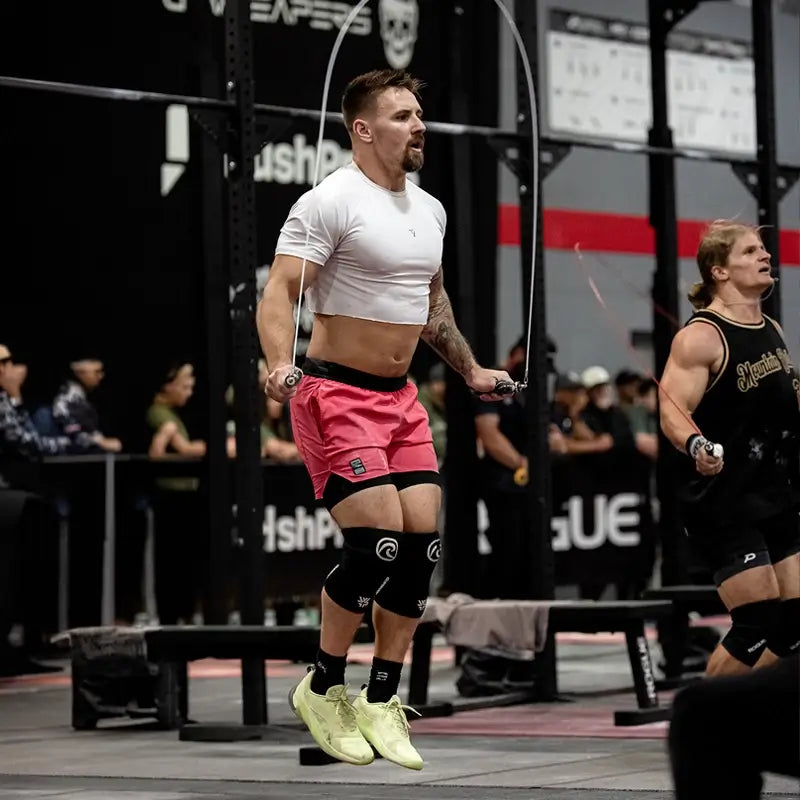
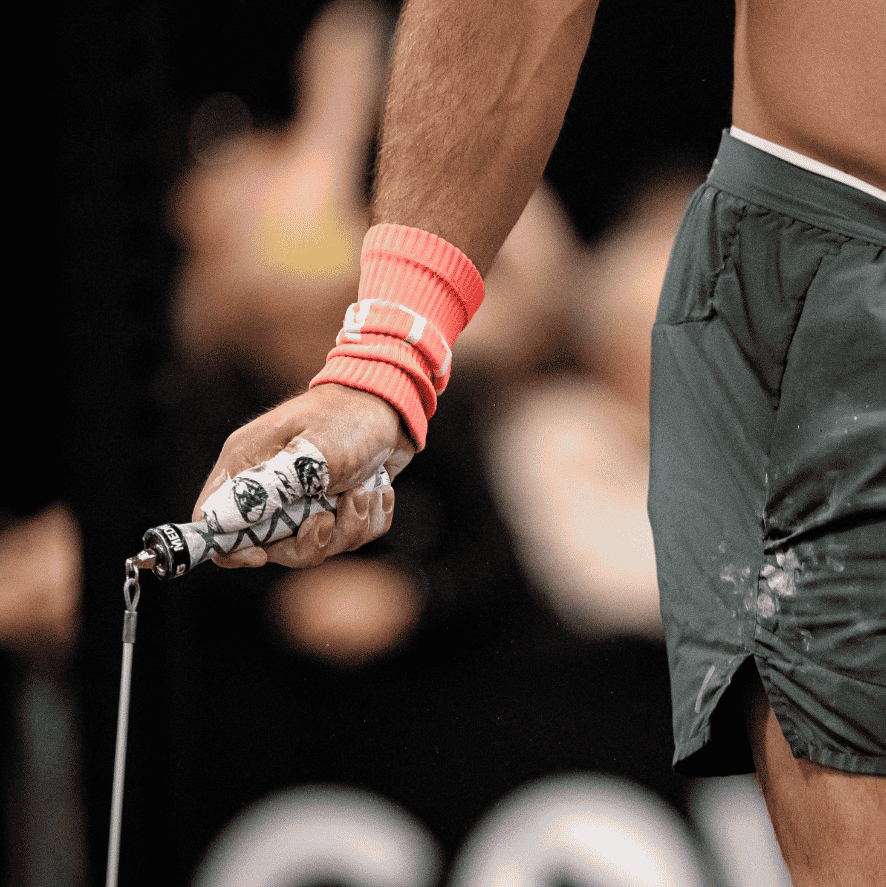
When athletes attempt triple unders, it's common for their hands to drift backward behind the body.
Why? Because they're trying so hard to force the rope underneath their feet.
The problem is that moving the hands changes where the rope travels. Instead of passing consistently beneath your toes, the rope begins cutting closer to your feet, making misses much more likely.
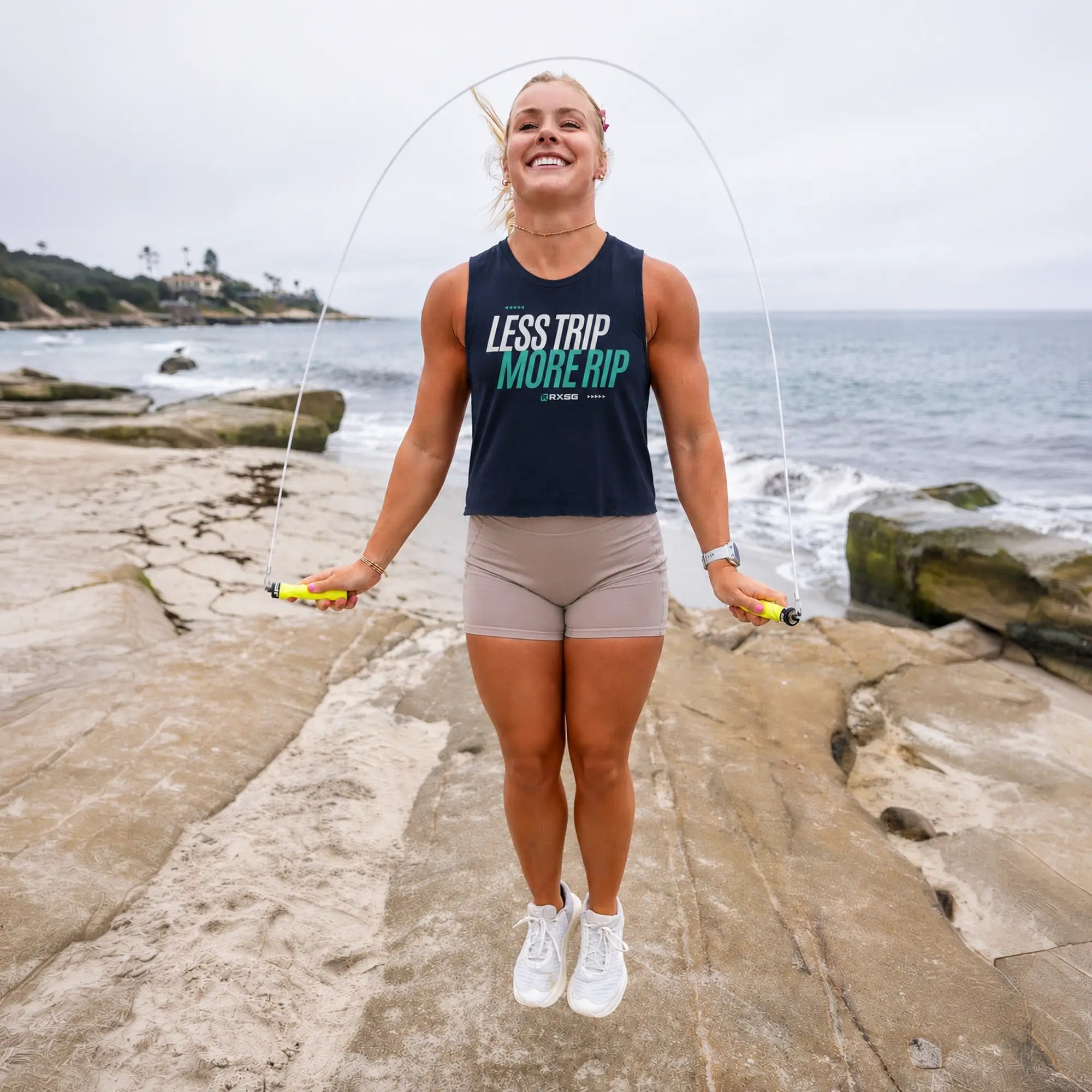
Your goal should be to keep your hands pinned just outside your hips throughout every rotation.
Imagine there's a barbell resting across your hip crease.
Your hands shouldn't drift in front of it or behind it.
Instead, let your wrists rotate while your hands stay anchored in place.
This single adjustment can dramatically improve consistency.
2. Stop Chasing Rope's Speed
This is where many athletes go wrong.
The instinct is to spin the rope as fast as possible in hopes of squeezing three rotations into one jump.
Unfortunately, that approach usually creates more tension, pulls the hands out of position, and limits how high the athlete can rebound.
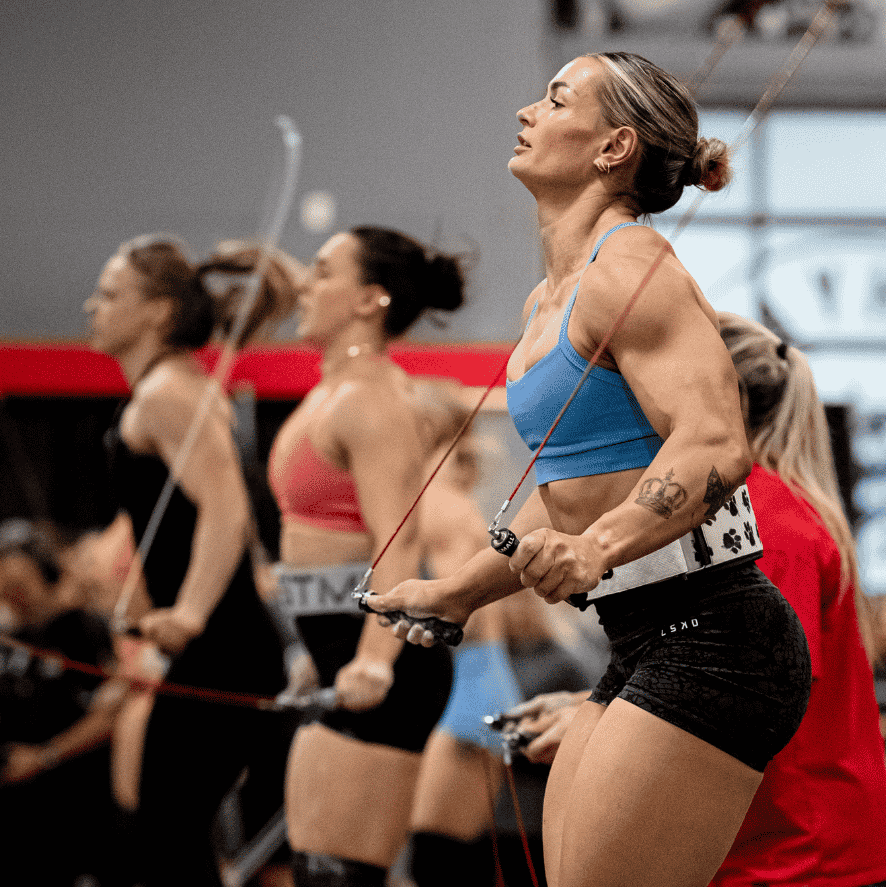
Instead, focus on getting higher before getting faster.
More airtime gives you more opportunity to complete the rotations without feeling rushed.
Think about it this way:
Jump first. Rotate second.
The better your jump, the less frantic your turnover has to be.
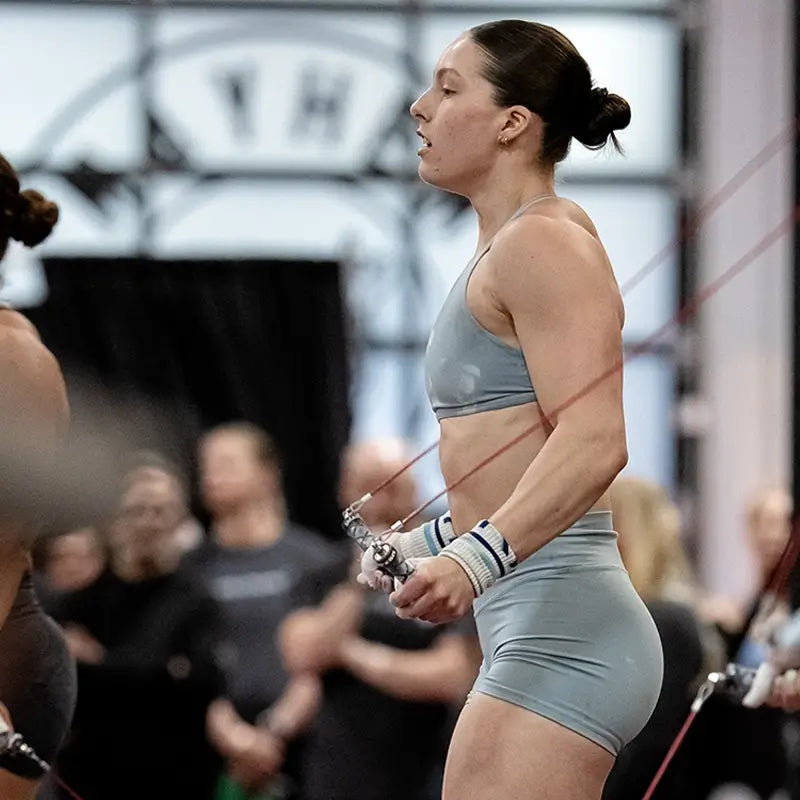
3. Build a Consistent Lead-In
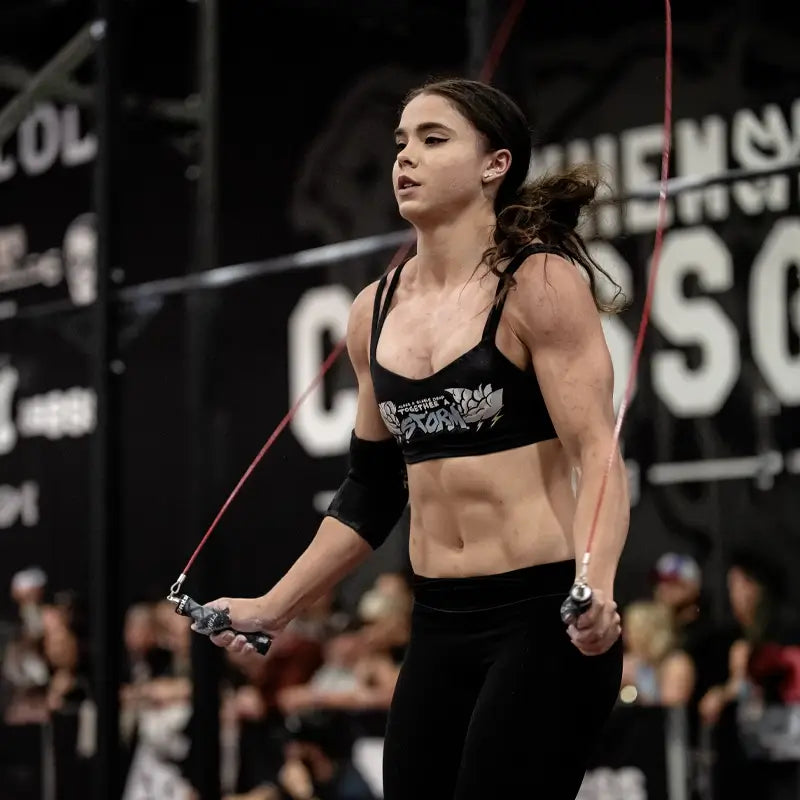
Elite jump rope athletes rarely start a triple under from a dead stop.
They are instead creating a repeatable pattern that prepares their body and their rhythm.
In the session, Margo says her favorite progression is:
One single under -> One double under -> Triple under
This tight progression allows her to build speed smoothly before launching into the triple instead of needing multiple setup jumps.
Consistency is more important than the exact lead-in.
Whatever sequence feels natural, repeat it every time until it becomes automatic.
Consistency builds confidence.
4. Focus on One Triple Under
Many athletes sabotage themselves by thinking too far ahead.
"I want five."
"I want ten."
"I want twenty."
Instead, narrow your focus.
Just land one perfect triple under.
That's exactly how the coaching session begins.
Once you can consistently perform one quality repetition with good mechanics, adding a second and third becomes much easier.
Quality always comes before quantity.
5. Stay Tall in the Air
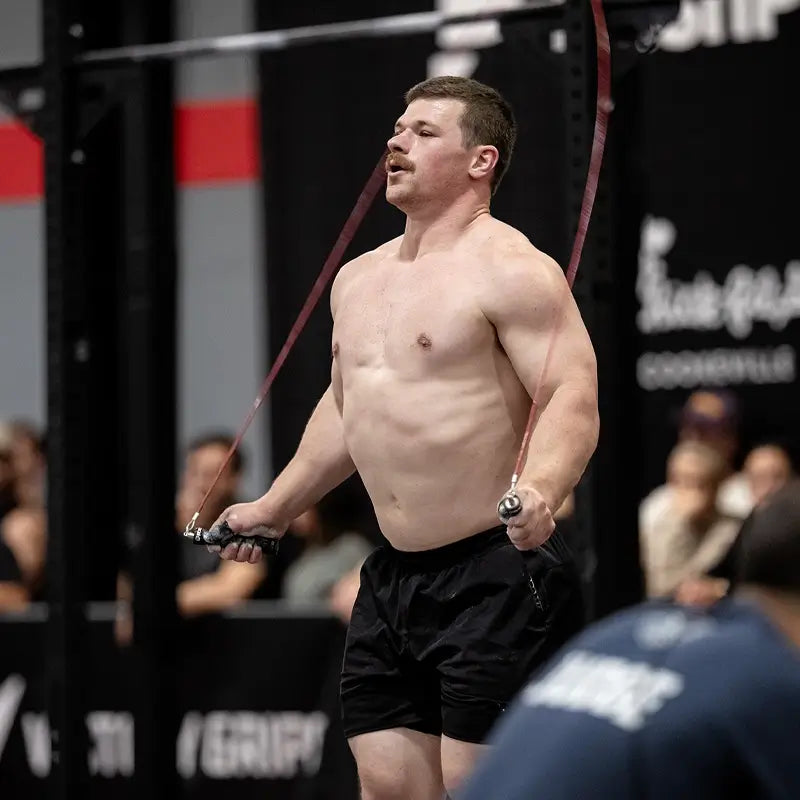
Another common mistake is trying to create clearance by aggressively tucking the knees. While a slight knee bend isn't necessarily wrong, excessive tucking usually prevents athletes from getting back into full extension before landing.Without full extension, the rebound becomes slower and heavier, making consecutive triples much more difficult.Instead:- Jump vertically.
- Stay long through the hips.
- Reach full extension.
- Let your feet naturally extend toward the ground.
Think "rise upward" instead of "pull your knees up."
The taller you stay, the more efficient your jump becomes.
6. Learn to Listen to the Rope
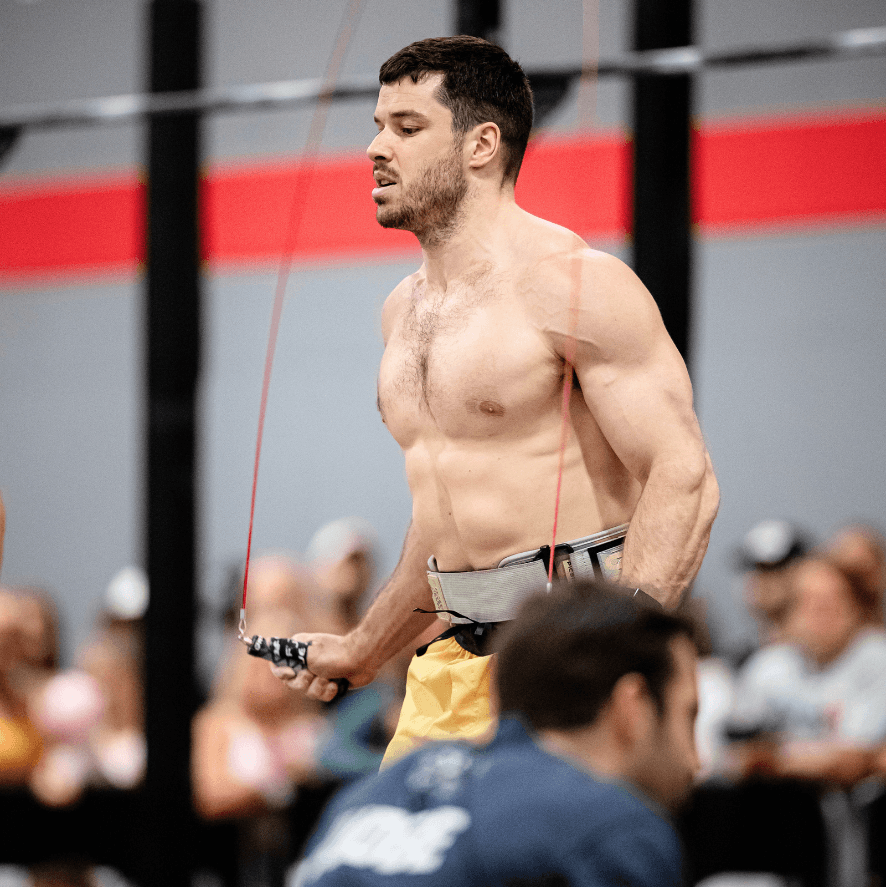
One of the most interesting coaching cues from the session has nothing to do with what you see.
It's about what you hear.
During double unders, athletes often hear two distinct contacts of the rope against the floor.
Triple unders have a different rhythm.
Typically you'll hear:
- The first rotation occurs as you leave the ground.
- The third rotation as you're landing.
- The middle rotation often disappears into the rhythm.
Learning this audible pattern helps athletes develop better timing without overthinking every rotation.
Sometimes your ears are your best coach.
7. Develop Awareness Instead of Chasing Reps
One of the biggest breakthroughs during the session wasn't simply landing more triple unders. It was about recognizing why a rep succeeded or failed. Every miss became valuable information.
1. Was the jump high enough?
2. Did the hands drift backward?
3. Did the rope lose tension?
4. Did the athlete stay relaxed?
This level of awareness is what helps you accelerate learning. Don’t just celebrate any rep you get, no matter the form. Celebrate that you did it right.
A technically sound triple under is worth far more than several sloppy ones.
8. Understand Rope Tension
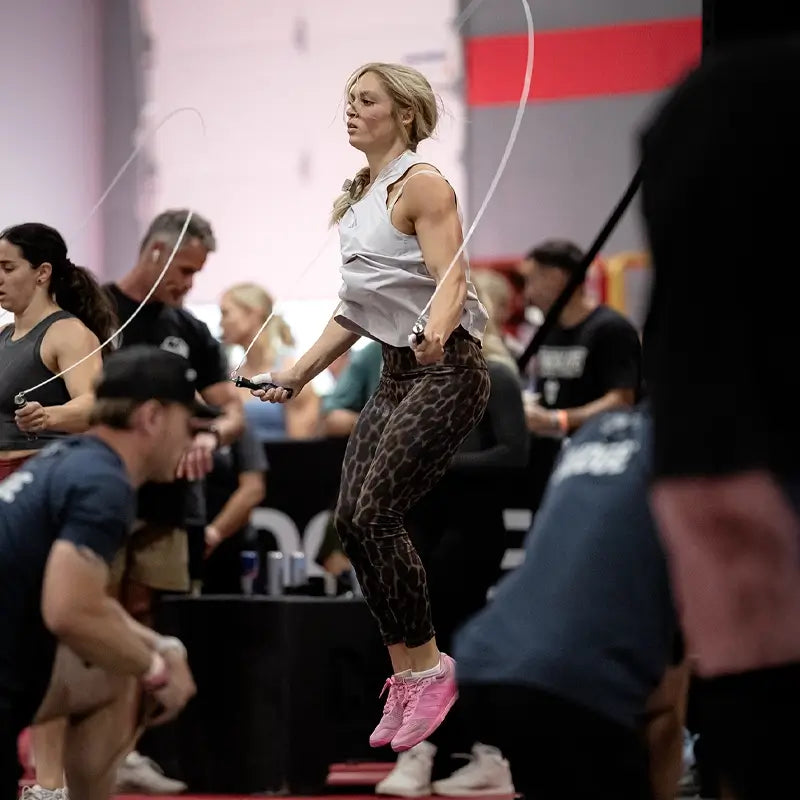
When your hands move backward during a triple under, something important happens. The rope begins moving in the same direction as your hands. When that occurs, the rope loses tension.
Many athletes describe it as feeling like the rope simply "disappears." Suddenly there's no feedback, no control, and the next rotation catches the toes.
Maintaining hand position keeps tension in the rope and allows each rotation to remain consistent. Good triple unders aren't about forcing the rope.
They're about maintaining control.
9. Practice Relaxation
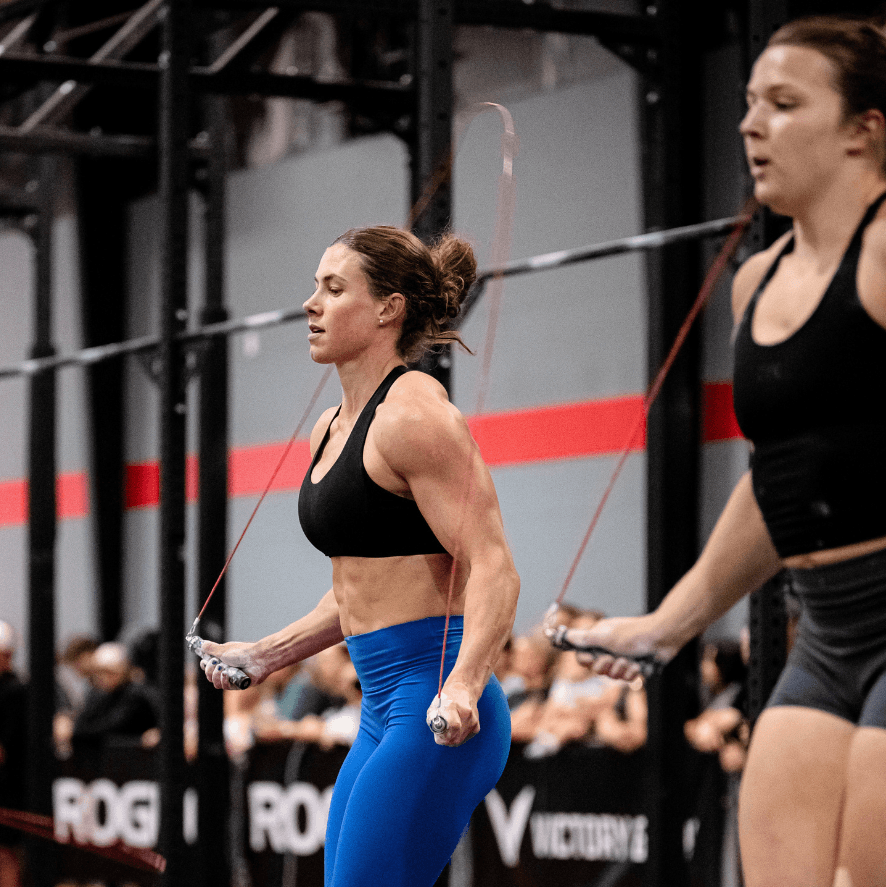
It sounds backwards, but the harder athletes try, the worse triple unders usually become.
More effort often creates the following:
- Tight shoulders
- Death-gripping the handles
- Over-rotating the wrists
- Pulling the hands behind the body
The best triple unders look surprisingly relaxed. Instead of trying to overpower the rope, allow it to flow naturally while maintaining your rhythm
Relaxation creates efficiency. Efficiency creates consistency.
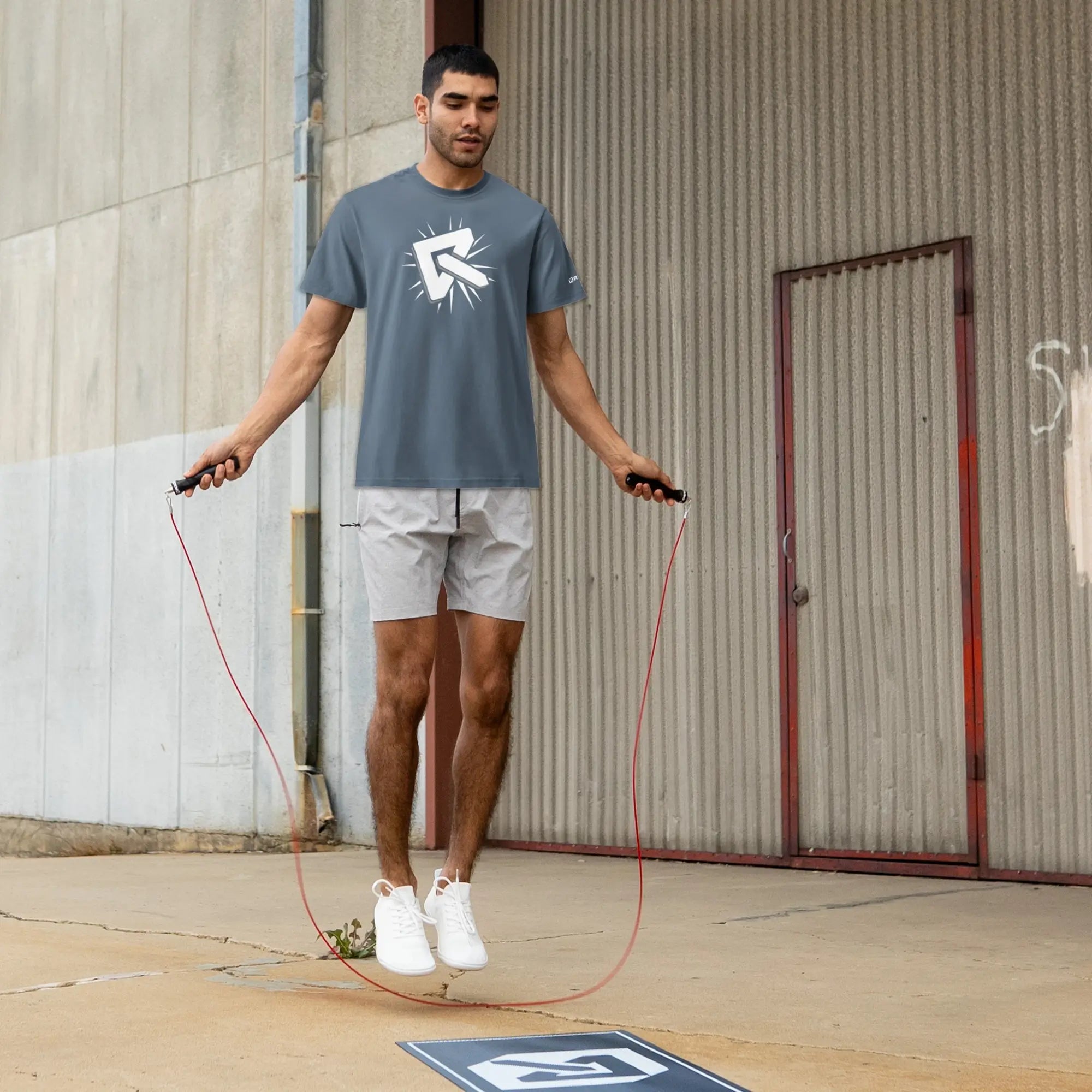
10. Use an Air Mat to Build Timing
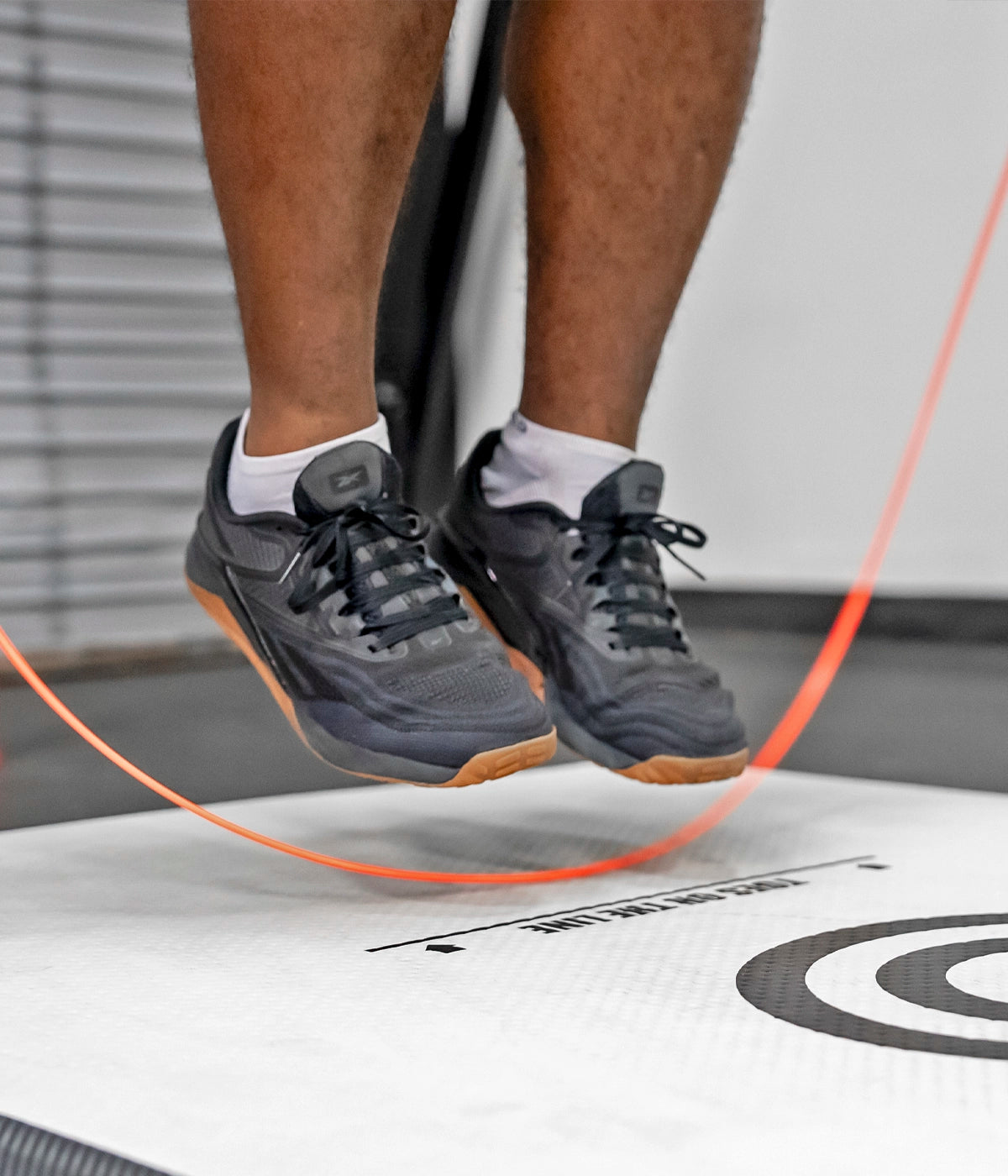
One of the most useful tools featured in the session is the Air Mat.
Besides reducing impact on the joints, it provides slightly more rebound, giving athletes additional airtime to work on timing.
This isn't about making triple unders easier for good.
It is about creating an environment for the athletes to get proper rhythm without too much fatigue.
When those movement patterns are automatic, the transition back to the floor feels surprisingly natural.
Fixing errors in the set is perhaps the most impressive moment of the coaching session.
It was watching Margo recognize her hands drifting backward and immediately correct them on the next jump.
That's real progress.
The goal isn't perfection. The goal is becoming aware enough to self-correct in real time. Every practice session should build that awareness.
Eventually, those corrections become automatic.
11. Build Technique Before Volume
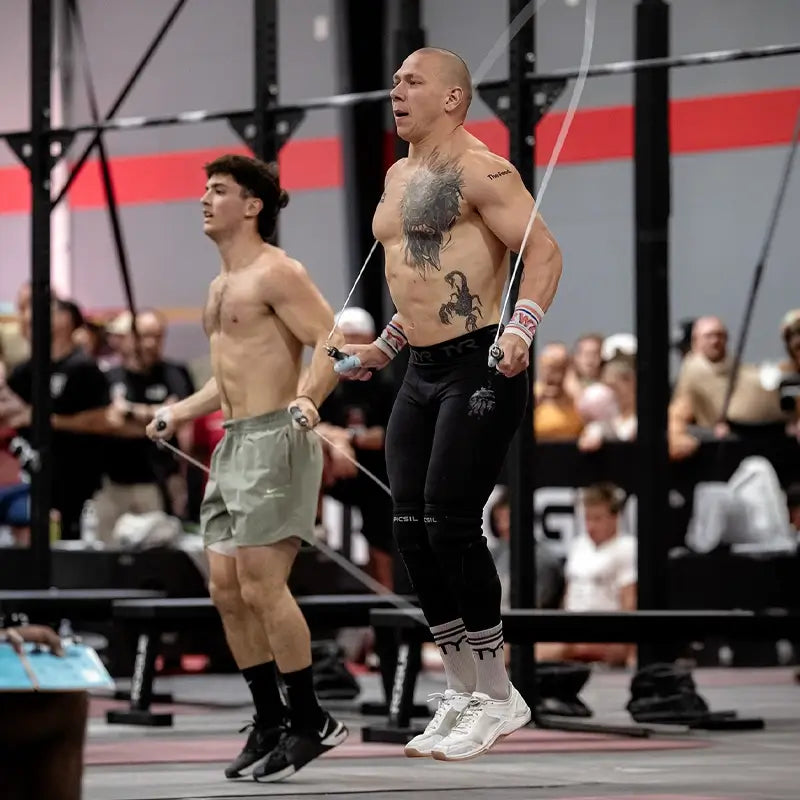
One of the biggest takeaways from the entire session is that successful athletes don't simply chase repetitions.
Instead, they focus on one technical objective at a time.
Maybe today's goal is:
- Better jump height.
- Stable hands.
- More consistent rope tension.
- A smoother lead-in.
Once each piece becomes automatic, the repetitions naturally follow.
Trying to force volume before mastering technique usually leads to frustration.
Building the foundation first makes everything easier later.
Triple unders aren't won by brute force.
These are built on patience, rhythm and efficient movement.
Stay calm. Spin faster after jumping higher. Anchor your hands close to your hips. Focus on one quality repetition at a time and use each attempt, whether it is successful or not, as feedback.
Most importantly, don’t judge how well you’re doing by how many triple unders you get. Judge it by the quality of your movement.
As this coaching session reminds us, athletes improve the fastest when they stop chasing reps and start chasing great technique.
Master the fundamentals, and the reps will come.