


David Newman | RXSG CEO & Expert Jump Rope Coach
Aging is often viewed as an inevitable decline in muscular strength, bone density, cardiorespiratory efficiency, and cognitive acuity.
However, modern exercise physiology reveals that targeted movement protocols can profoundly alter our trajectory of biological decay. Among the most accessible, versatile, and high-impact modalities available today is rope skipping, a practice that transcends simple childhood play to function as a powerful tool for anti-aging medicine.
By combining high-intensity intervals, vertical impact forces, complex sensorimotor coordination, and rhythmic movement, jumping rope triggers a systemic cascade of anti-aging adaptations. From stimulating cellular repair hormones to bolstering microvascular circulation and preserving neuroplasticity, rope skipping systematically targets every major physiological marker of aging.

1. Endogenous Human Growth Hormone (HGH) Stimulation
As the human body ages, serum concentrations of Human Growth Hormone (HGH) decline steadily—a phenomenon known as somatopause. Decreased HGH directly correlates with lost muscular volume, reduced skin elasticity, impaired lipid metabolism, and slowed tissue repair. High-intensity interval training (HIIT), such as short bursts of rapid rope skipping, acts as a potent natural secretagogue for endogenous HGH release.
When executed at near-maximal effort, interval skipping induces temporary cellular hypoxia and lactate accumulation. This metabolic stress signals the anterior pituitary gland to release HGH into circulation. The resulting surge in HGH enhances systemic protein synthesis, promotes cellular regeneration, stimulates collagen synthesis to maintain skin structural integrity, and accelerates the breakdown of adipose tissue. By leveraging brief, high-intensity skipping intervals, you can naturally optimize your hormonal environment and preserve youthful tissue repair mechanisms.

2. Cardiorespiratory Fortification & Microvascular Oxygenation
Cardiovascular disease remains the leading contributor to physiological decline and mortality. Age-related arterial stiffening, endothelial dysfunction, and reduced cardiac output diminish the efficiency with which oxygen and vital nutrients are delivered to peripheral tissues, including the dermis and internal organs.
Regular rope skipping provides a robust stimulus for the cardiovascular system, strengthening cardiac myocytes, enhancing stroke volume, and promoting microvascular angiogenesis. The continuous kinetic demand increases nitric oxide production within endothelial cells, preserving arterial flexibility and mitigating risks associated with hypertension and vascular aging. Furthermore, enhanced peripheral capillary density ensures superior tissue oxygenation and cutaneous microcirculation, yielding a vibrant, healthy complexion while protecting vital organ structures from ischemic damage.

3. Cognitive Sharpness, Cerebellar Engagement & Neuroplasticity
Brain aging is characterized by reduced synaptic density, diminished executive functioning, and an increased risk for neurodegenerative conditions. Rope skipping is uniquely positioned as a movement modality because it requires real-time integration of motor control, spatial awareness, visual-spatial timing, and continuous adjustments.
Executing rapid revolutions with a rope while maintaining vertical rhythm heavily engages the cerebellum and prefrontal cortex. This multi-planar motor complexity stimulates Brain-Derived Neurotrophic Factor (BDNF), a key protein responsible for neurogenesis, synaptic plasticity, and neuronal survival. Regular rhythm and motor challenge enhance cognitive speed, executive decision-making, and balance, effectively building neurocognitive resilience against age-related cognitive decline and neurodegenerative diseases such as Alzheimer's disease.
4. Osteogenic Stimulation: Bone Density & Joint Resilience
Bone mineral density (BMD) peaks in early adulthood and declines progressively thereafter, particularly in postmenopausal women, elevating the risk of osteoporosis, frailty, and posture compromise. Bone tissue requires mechanical deformation to activate osteoblast activity and mineral deposition—a phenomenon governed by Wolff's Law.
Skipping rope exerts ground reaction forces equivalent to several times body weight with every dynamic rebound. This repeated, controlled vertical impact creates axial loading on the calcaneus, tibia, femur, and hip joint. These micro-impact forces stimulate mechanotransduction within osteocytes, signaling the body to deposit calcium and remodel bone tissue. Concurrently, the dynamic movement strengthens supporting tendons, ligaments, and stabilizing musculature around the ankles and knees, preserving structural alignment, upright posture, and joint integrity throughout life.

5. Lymphatic Cleansing & Fascial Hydration
Unlike the cardiovascular system, which relies on the heart to pump blood, the human lymphatic system possesses no central pump. It depends entirely on muscular contraction, respiratory changes, and dynamic movement to circulate lymph fluid and filter metabolic waste products. Accumulated cellular debris and localized inflammation contribute significantly to tissue degradation and premature cellular senescence.
The rhythmic bouncing motion inherent to rope skipping creates a dynamic pressure gradient throughout the body, acting as a dynamic pump for lymphatic drainage. This process accelerates the removal of cellular waste, reducing systemic inflammation and fluid retention. Additionally, the rapid elastic loading and unloading of connective tissue rehydrates the fascial network. Properly hydrated fascia retains compliance and spring-like recoil, preventing the stiffness, mobility restrictions, and chronic tension commonly associated with aging.



6. Stress Mitigation, Cortisol Regulation & Time Efficiency
Chronic elevation of cortisol—the primary stress hormone—accelerates biological aging by degrading structural collagen, thinning hair follicles, impairing immune response, and promoting central adiposity. Finding effective, time-efficient stress reduction protocols is therefore paramount for longevity.
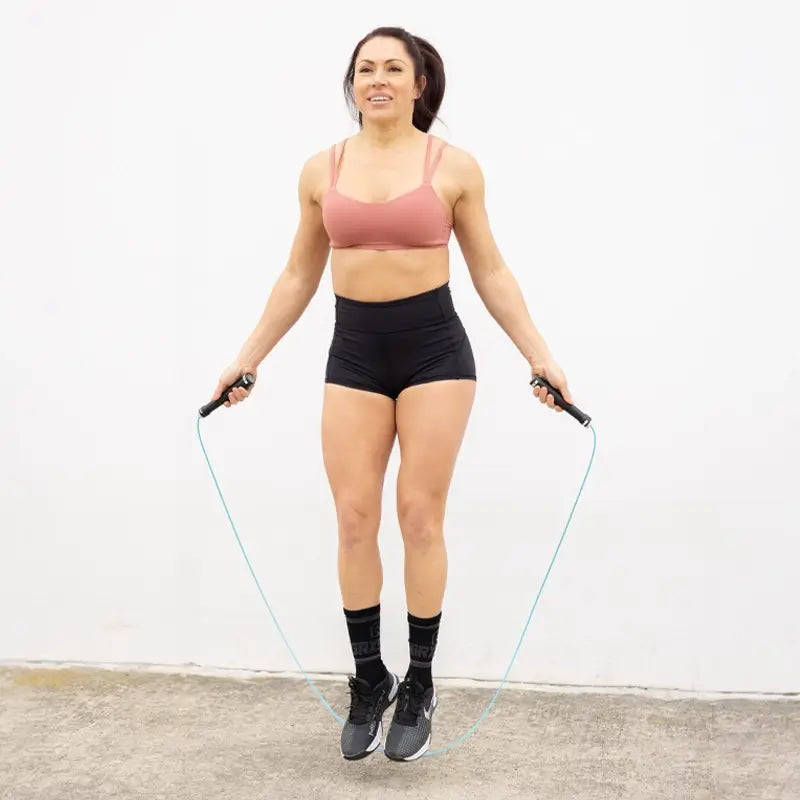
A brief 10-to-15-minute session of rope skipping offers an exceptionally high return on investment for health markers. The rhythmic, cyclical nature of jumping triggers the endogenic release of endorphins and dopamine while downregulating sympathetic nervous system overdrive. By lowering elevated basal cortisol levels, interval skipping counteracts stress-induced cellular damage, protects dermal matrix integrity, and improves sleep quality—the foundational pillar of systemic recovery and youthful vitality.

7. Metabolic Rate Optimization & Insulin Sensitivity
With advancing age, basal metabolic rate typically decelerates, often accompanied by sarcopenia (loss of muscle mass) and progressive insulin resistance. These metabolic shifts increase the propensity for visceral fat accumulation, systemic low-grade inflammation, and metabolic syndrome.
Rope skipping is an exceptionally metabolic exercise, burning up to 10 to 15 calories per minute while engaging large muscle groups across the lower body, core, and shoulders. The intensive muscular work depletes intramuscular glycogen stores, upregulating GLUT4 glucose transporter translocation to muscle cell membranes. This mechanism dramatically enhances insulin sensitivity independently of insulin itself. By maintaining muscle tone and optimizing glucose disposal, skipping rope supports a healthy body composition, metabolic flexibility, and endocrine balance.
Designing an Anti-Aging Friendly Jump Rope Protocol
To maximize anti-aging adaptations while mitigating stress on connective tissues, structure your training around progressive interval loading, proper mechanics, and recovery protocols:
Pacing & Intervals:
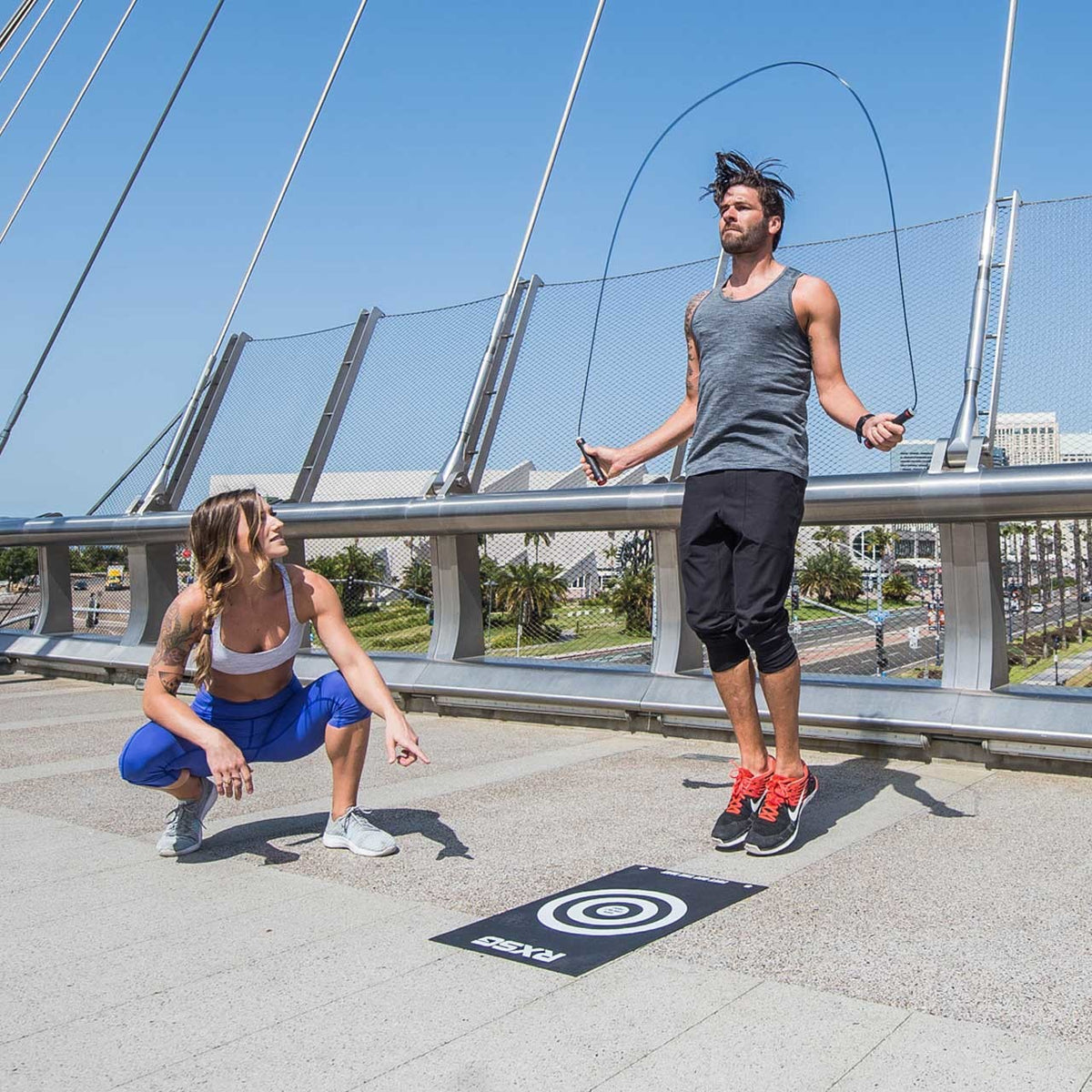
- Beginner Level: Perform 30 seconds of controlled jumping followed by 30 to 60 seconds of complete rest or light walking. Repeat for 8 to 10 rounds (10–12 minutes total).
- Advanced Level: Perform 60 seconds of moderate-to-high intensity jumping followed by 30 to 60 seconds of active recovery. Repeat for 12 to 15 rounds
Posture & Core Alignment:
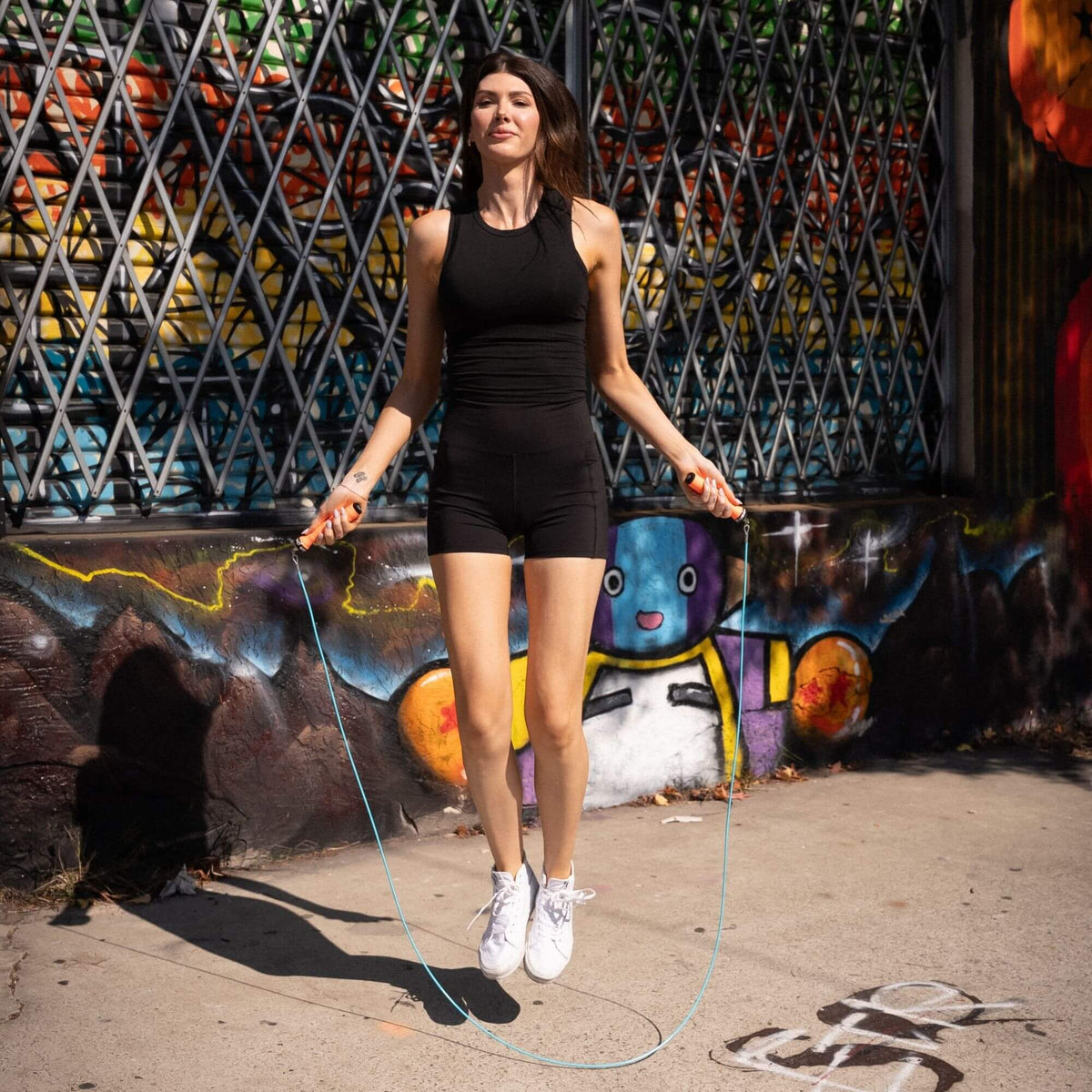
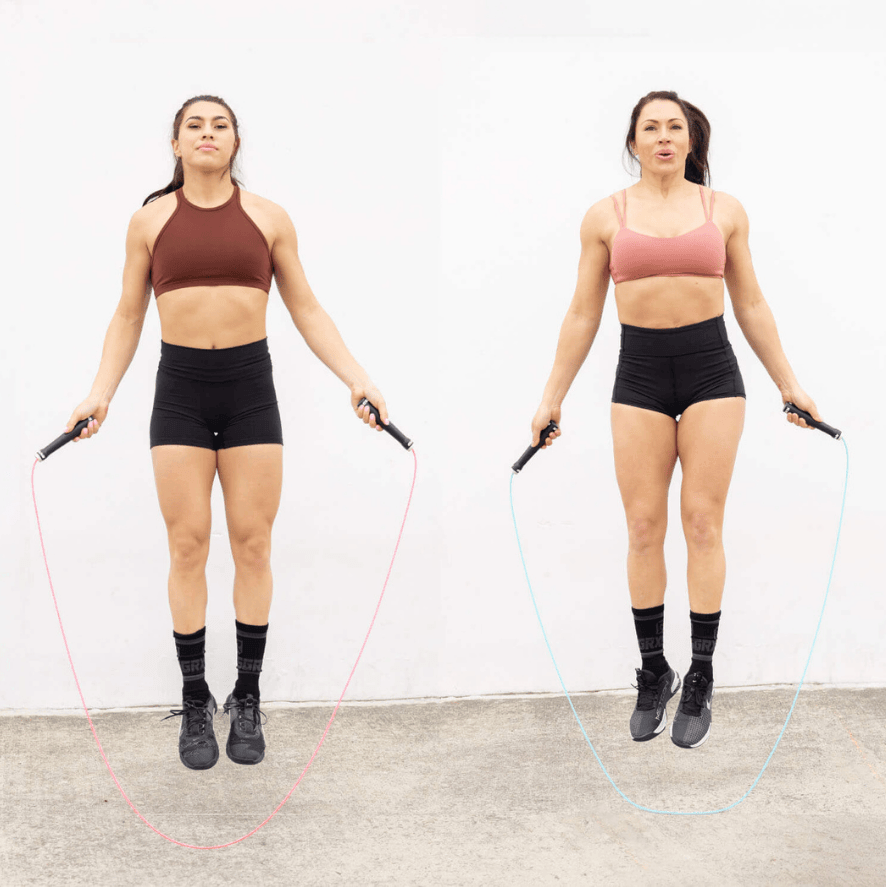
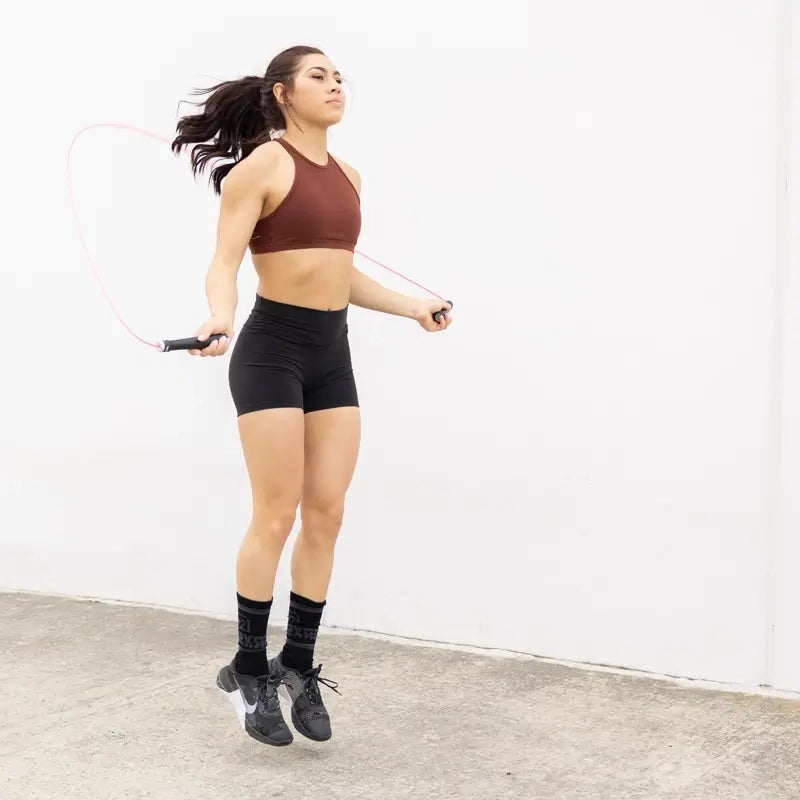
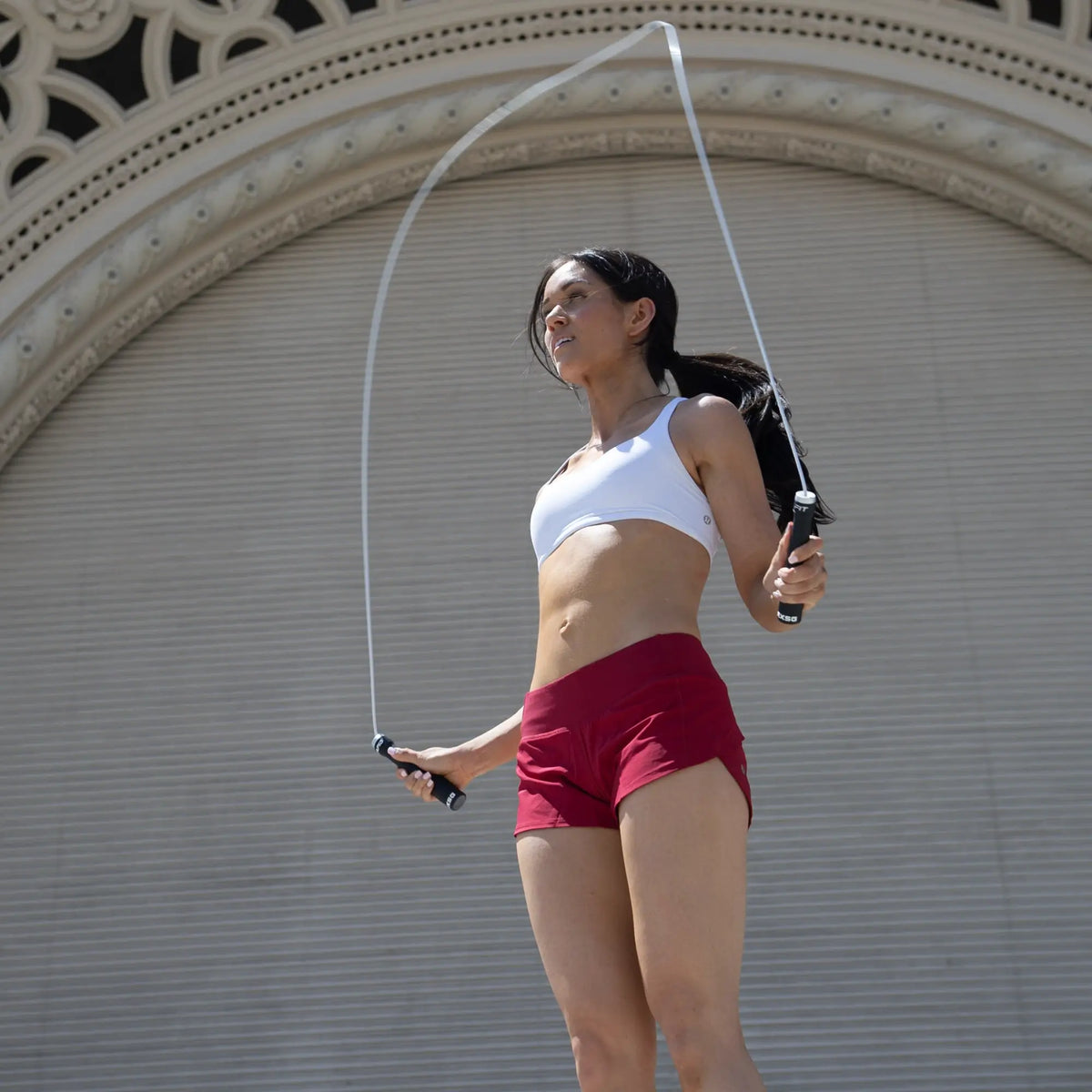
Maintain an upright posture with shoulders retracted and relaxed, elbows tucked close to the torso, and core firmly engaged. Rebound lightly on the balls of the feet to absorb impact through the calf complex rather than resting heavily on heels or locking knees.
Warm-Up & Cool-Down:
Always initiate sessions with dynamic joint mobility exercises (ankle circles, leg swings, and torso twists) to prime synovial fluid flow. Conclude with static stretching and slow, controlled cool-down movements to flush metabolic byproducts.
Longevity Breathwork Integration:
Finish each session with 3 to 5 minutes of slow, nasal diaphragmatic breathing (e.g., 4-second inhale, 6-second exhale). Extended exhalations stimulate the vagus nerve, promoting parasympathetic tone, reducing heart rate variability stress, and accelerating system-wide recovery.

Beginner Anti-Aging Jump Rope Workout Purpose & Focus
Main Objective: set up a basic rhythm, encourage lymph flow and impact to condition bones and joints without stressing connective tissue.
Total time: 12-15 minutes.
Frequency: 2-3 times a week (rest 1 day in between for fascial recovery)
Phase 1:
Dynamic Warm Up
(3 mins) Purpose: To increase heart rate, increase synovial fluid in joints and prepare nervous system.
Ankle & Calf Pumps – 15 each (heel to toe rolls)
Bodyweight Squats: 10 reps, slow down (focus on engaging your core and opening up your hips)
Arm Circles & Shoulder Rolls: 30 sec forward, 30 sec backward (gets shoulders & rotator cuff ready to control rope)
Torso Twists (Light) 30 Secs ( Preps Core & Spinal Stabilizers)
Phase 2:
Main Circuit Interval
(8-10 min) For each interval, simply bounce (jump 1-2 inches off the ground, landing softly on the balls of your feet).
Set 1:
Jump: 20 Sec
40 sec Rest / Active Walk
Set 2:
Jump: 20 sec
Rest / Walking – 40 seconds
Set 3:
30 second leap
Rest / Active Walk: 30 sec
Set 4:
30 seconds jumping
Rest / Active Walk: 30 sec
Set 5:
30 seconds to jump
Rest / Walk 30 sec Active
Set 6:
Jump: 20sec
Rest / Active Walk: 40 seconds > Form Check during rest. Elbows close to ribs, rope rotation coming from wrists (not shoulders), knees just slightly bent to absorb impact.
Phase 3:
Cool Down & Vagal Tone Breathing
(3 minutes)
Goal: switch the nervous system into parasympathetic to help reduce cortisol and recovery.
Calf & Achilles stretch—30 sec per side against the wall.
2 mins: Breathing with the Nasal Diaphragm.
Inhale slowly through the nose for 4 seconds (expand the belly).
6 seconds: Breathe out slowly through your mouth or nose.
Benefits: Activates the vagus nerve, slows down a rapid heart rate, down-regulates stress hormones.
Research & Resources
- Exercise-Induced Growth Hormone Response — PubMed
- Exercise and Endothelial Function — PubMed
- Exercise Training and BDNF in Older Adults — PubMed
- Exercise, Physical Function & Cognitive Function in Older Adults — PubMed
- Jump Training and Bone Mineral Density — PubMed
- Exercise and Bone Mechanotransduction — PubMed
- Lymphatic Pumping and Physical Movement — PubMed
- Acute Exercise, Stress & Cortisol Response — PubMed
- Exercise, GLUT4 & Insulin Sensitivity — PubMed
- Rope Skipping and Energy Expenditure — PubMed