
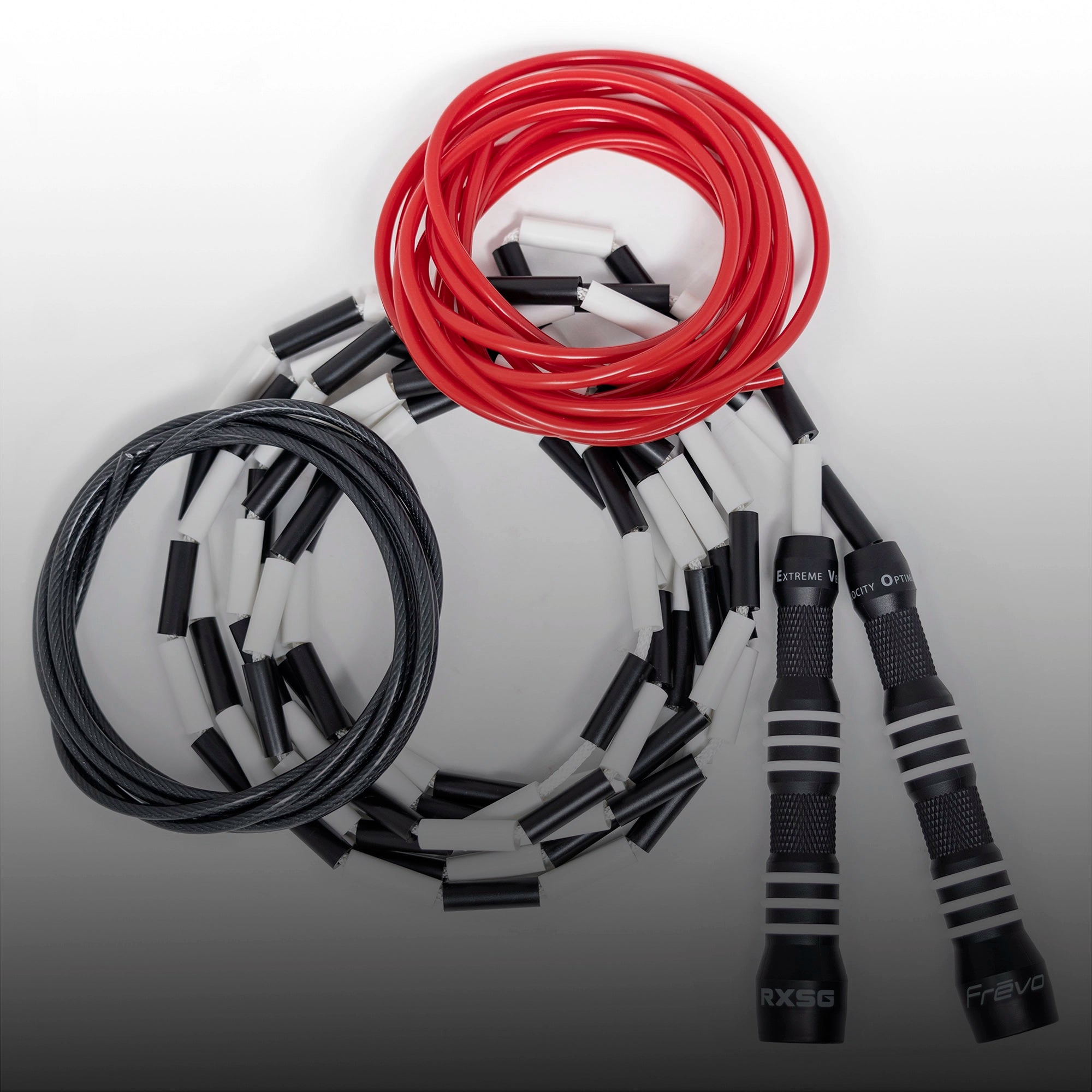

5 Tough CrossFit Jump Rope Workouts: From Double Unders to Triple Unders
David Newman | RXSG CEO & Expert Jump Rope Coach
Jump ropes have been part of CrossFit for years, but the way CrossFitters use them in competition has changed dramatically.
What started with massive sets of double-unders has evolved into increasingly technical and punishing tests involving different rope types, higher volume, heavier implements, shoulder fatigue, and now, at the 2026 CrossFit Games, triple-unders.
A jump rope may be one of the simplest pieces of equipment in the gym, but it can test several physical skills at once: cardiovascular endurance, stamina, coordination, agility, accuracy, balance, rhythm, and efficiency.
And unlike movements where the solution to fatigue is simply to slow down, jump rope requires precision.
- Your timing has to remain consistent.
- Your hands need to stay in position.
- Your jump height needs to be controlled.
- Your wrists need to continue moving efficiently.
And when fatigue starts to build, even a tiny breakdown in technique can result in missed reps, wasted energy, and lost time.
Over the years, CrossFit has found plenty of ways to make the humble jump rope increasingly brutal.
Athletes have been asked to perform hundreds of double-unders between major endurance efforts. They’ve used ropes that create additional resistance. They’ve tackled enormous double-under sets while their shoulders were already exhausted from gymnastics.
Then came heavy ropes.
And in 2026, CrossFit took the next major step by programming triple-unders at the CrossFit Games.
So with that in mind, we’re updating our list.
Here are five of the most brutal CrossFit workouts involving a jump rope — and how they show the evolution from high-volume double-unders to triple-unders on the biggest stage in the sport.
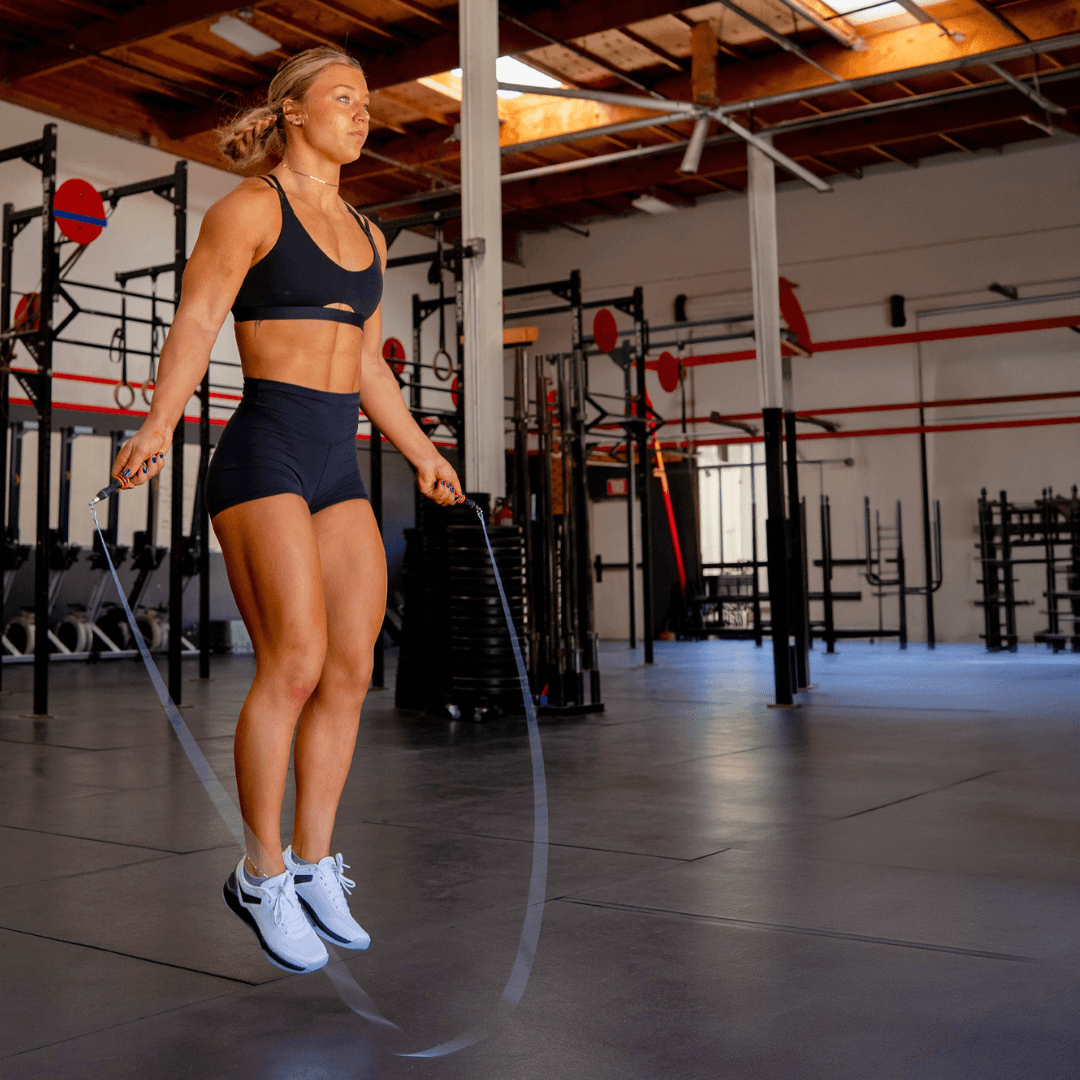
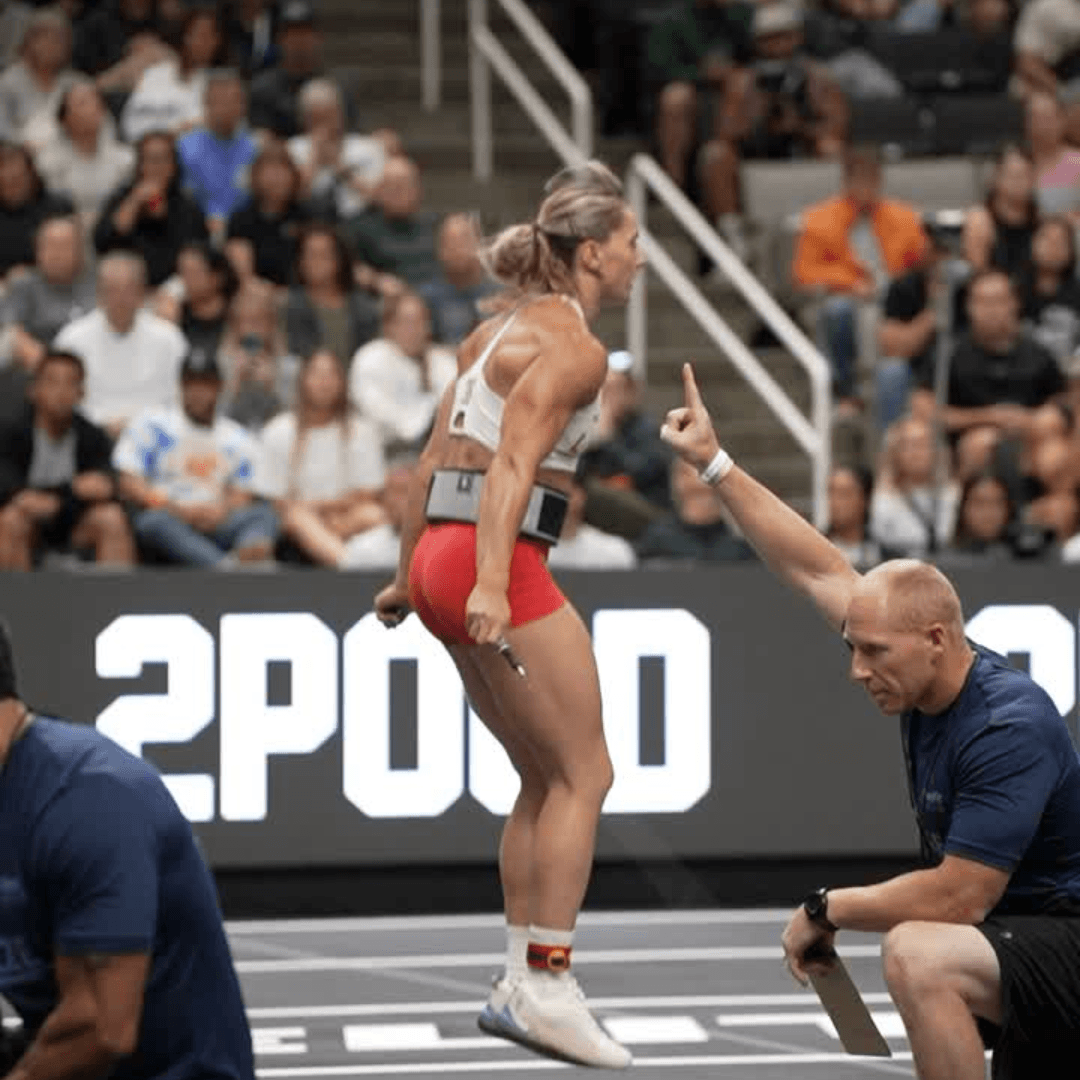
1. Triple Pig — 2026 CrossFit Games
If there was any question about where competitive jump rope was headed in CrossFit, the 2026 CrossFit Games gave us the answer.
Triple-unders had officially arrived.
TRIPLE PIG
For time:
10 bar muscle-ups
15 GHD wall-ball shots
20 triple-unders
1 Pig flip
15 bar muscle-ups
20 GHD wall-ball shots
25 triple-unders
2 Pig flips
20 bar muscle-ups
25 GHD wall-ball shots
30 triple-unders
3 Pig flips
Time cap: 15 minutes
The biggest story here is obvious.
Those aren’t double-unders.
They’re triple-unders.
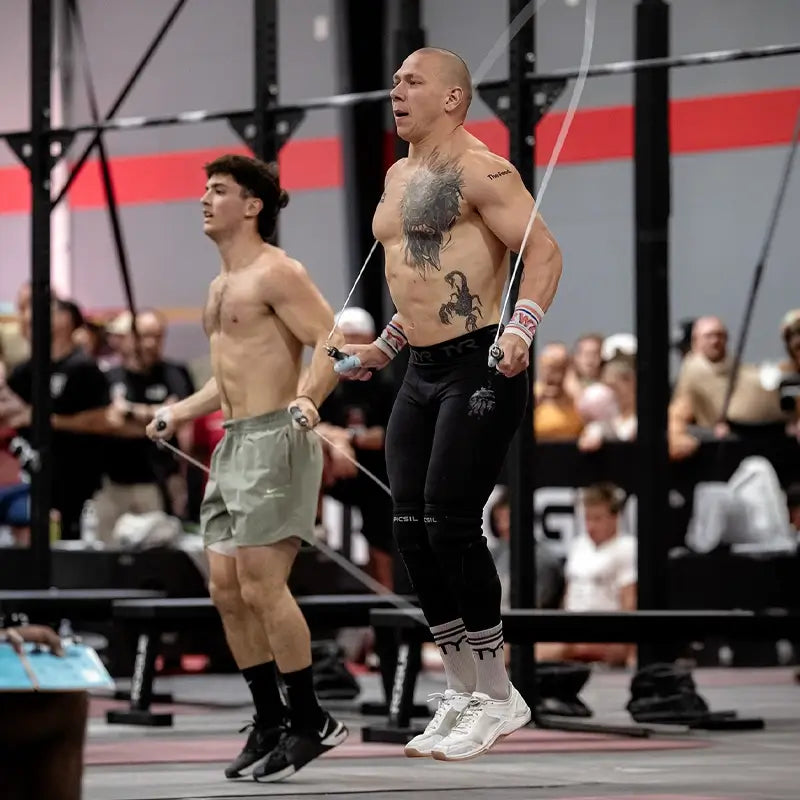
A triple-under requires the rope to pass beneath your feet three times during a single jump.
That might sound like a simple progression from a double-under, but anyone who has attempted triples knows how much more precision they demand.
The athlete needs enough jump height and hang time for three rope rotations while still maintaining an efficient body position.
The wrists need to be very relaxed yet smooth.
The jump needs to be even higher.
And the timing between the athlete’s jump and the rope rotation needs to be extremely consistent.
Now try doing all of that after bar muscle-ups and GHD wall-ball shots.
Then flip the Pig.
Then do it again.
And again.
That’s what makes Triple Pig so brutal.
The event wasn’t simply testing whether athletes could perform a triple-under while fresh.
It tested whether they could maintain that advanced jump rope skill while fatigue continued to accumulate.
And the workload increased every round.
The triple unders went from 20 to 25 to 30.
The bar muscle-ups increased from 10 to 15 to 20.
The GHD wall-ball shots climbed from 15 to 20 to 25.
The number of Pig flips also increased.
So instead of getting easier as athletes moved through the workout, the challenge kept growing.
By the final round, athletes had already accumulated serious shoulder, grip, core, leg, and cardiovascular fatigue.
Then they had to pick up the rope and execute 30 more triple-unders.
That’s the real significance of this workout.
For years, consistent double-unders were one of the major jump rope benchmarks in CrossFit.
Triple Pig showed us what the next level looks like.
The triple-under isn’t just a circus trick anymore.
It’s a competitive CrossFit skill.
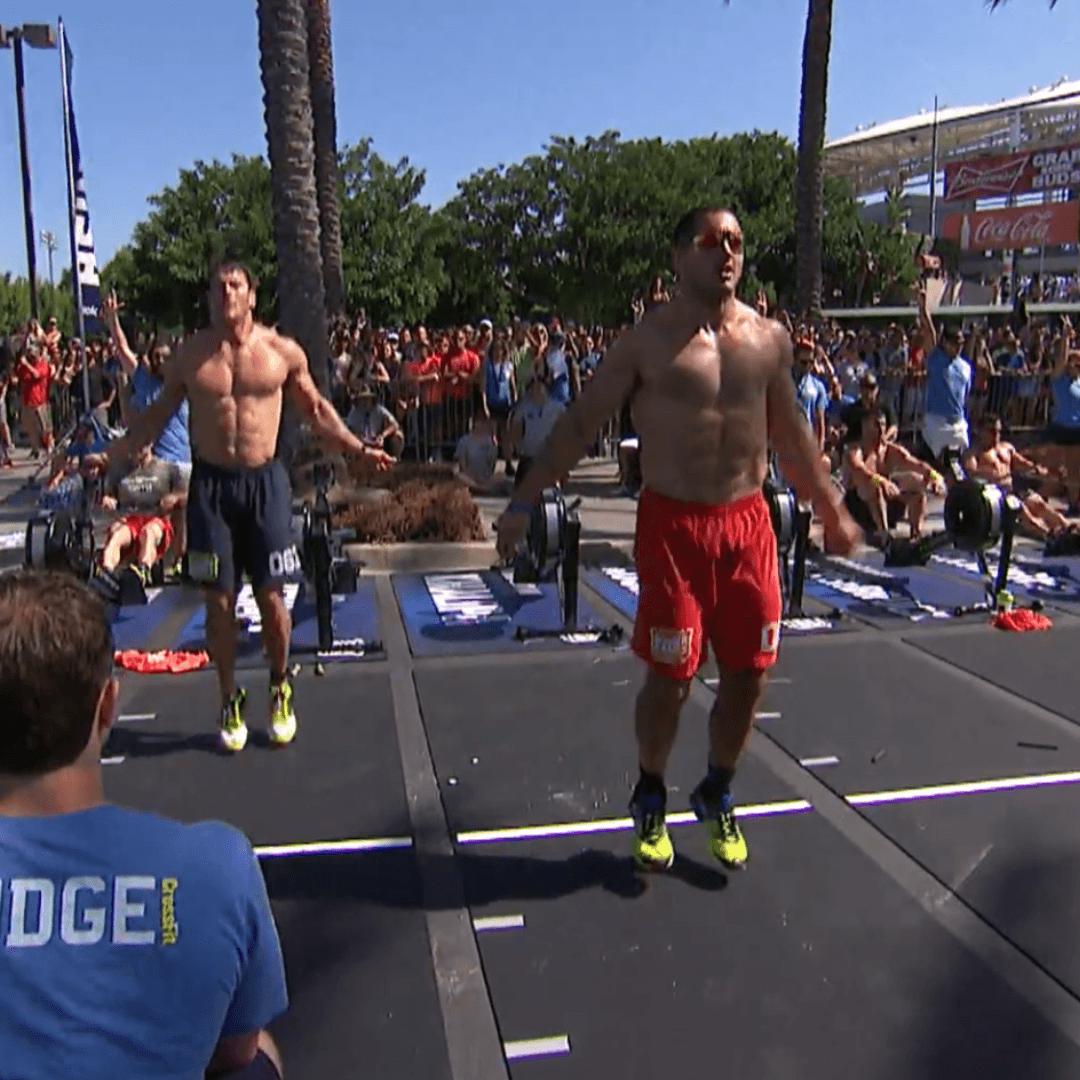
2. Triple 3 — 2014 CrossFit Games
Before CrossFit started experimenting heavily with different rope types, one of the easiest ways to make double-unders brutal was simply to program a huge number of them.
That’s exactly what happened with Triple 3.
TRIPLE 3
For time:
3,000-meter row
300 double-unders
3-mile run
Simple?
Yes.
Easy?
Absolutely not.
Three hundred double-unders is already significant volume for most athletes.
But the placement of those double-unders is what makes Triple 3 especially punishing.
Athletes first have to complete a 3,000-meter row.
By the time they reach the rope, their breathing is already elevated, their legs are fatigued, and their ability to stay relaxed can begin disappearing.
Then they have to perform 300 double-unders.
And when those 300 reps are finished?
The workout still isn’t over.
There’s a three-mile run waiting.
That creates a major pacing challenge.
An athlete who attacks the double-unders too aggressively may save a little time on the rope but pay for it later during the run.
An athlete with inefficient double-under technique can lose even more.
Move too fast and you risk tripping.
Locked down arms and you create excessive shoulder fatigue.
Rope too long and you're working against gravity.
Over 300 repetitions, small technical problems become big ones.
Triple 3 perfectly demonstrates why efficiency matters so much with jump rope.
Being able to complete double-unders is one thing.
Being able to perform hundreds of them efficiently in the middle of a major endurance workout is something completely different.
CrossFit later brought Triple 3 back during the 2018 Regionals, further cementing it as one of the sport’s most memorable jump rope endurance tests.
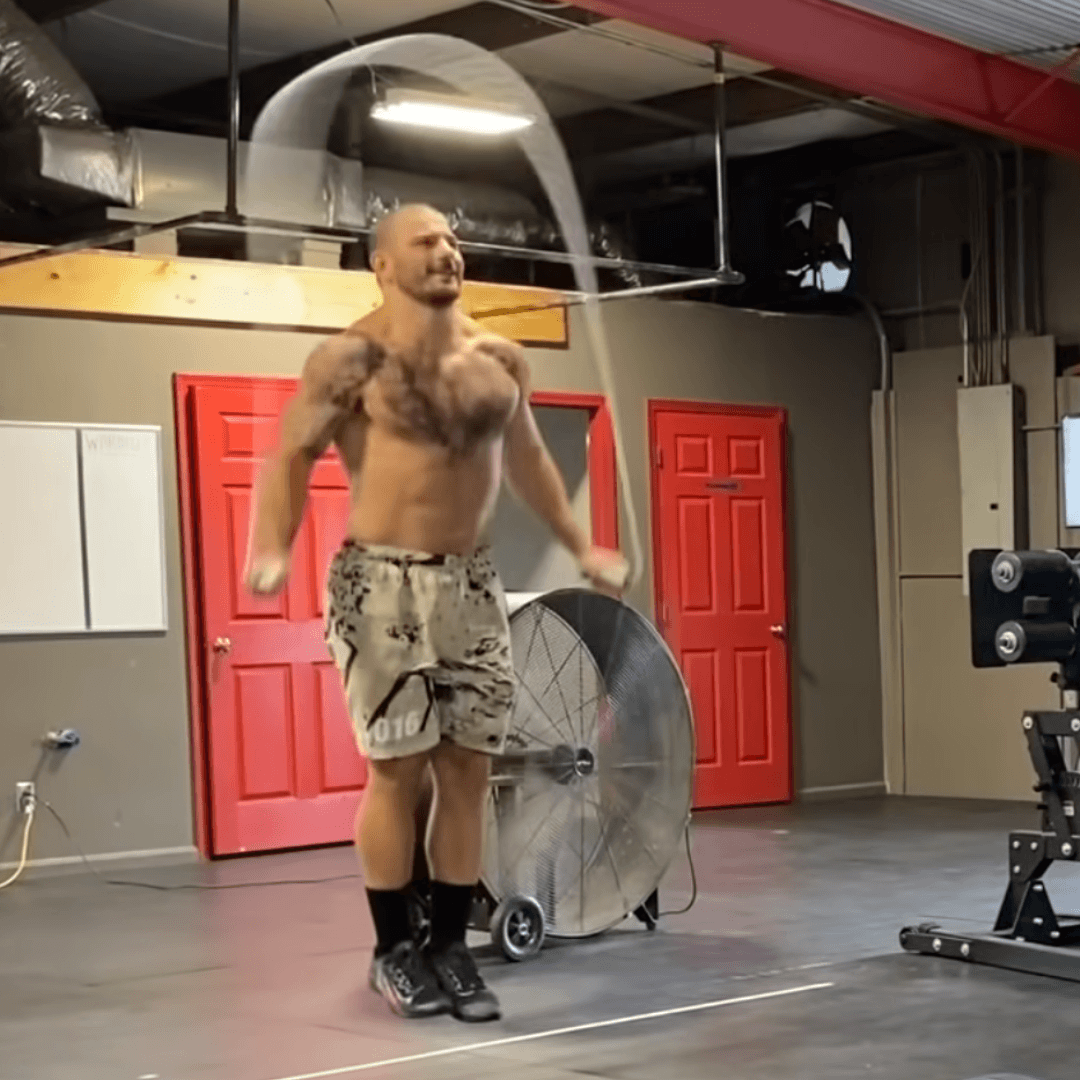
3. Awful Annie — 2020 CrossFit Games
By 2020, CrossFit had found another way to make double-unders hurt.
Change the rope.
AWFUL ANNIE
50-40-30-20-10:
Drag Rope double-unders
GHD sit-ups
Combined with:
5-4-3-2-1:
Cleans
Men: 275 lb.
Women: 185 lb.
The 50-40-30-20-10 structure instantly looks familiar to CrossFit athletes.
It resembles the classic benchmark workout Annie.
But this version earned the name Awful Annie for good reason.
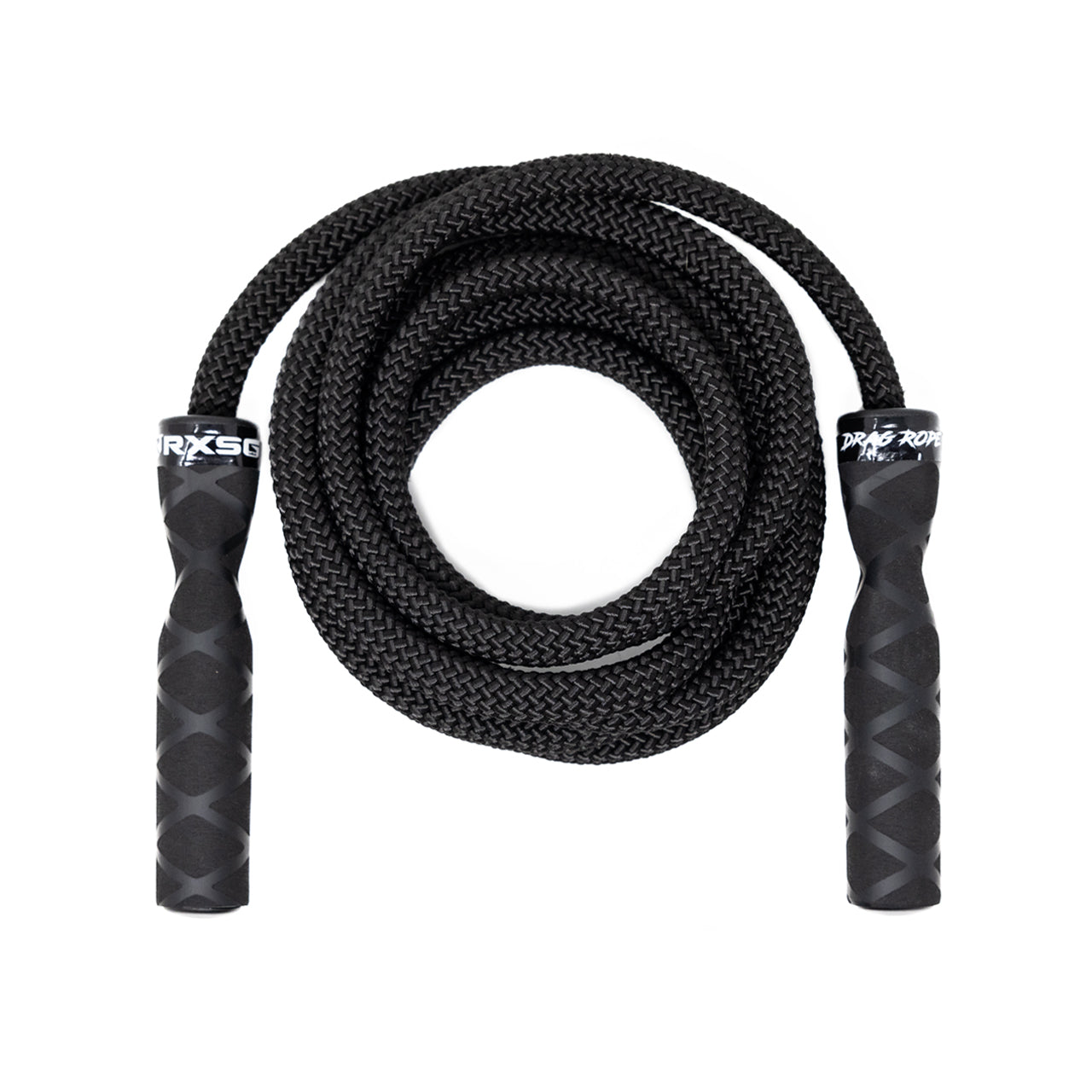
Instead of using a conventional speed rope, athletes performed their double-unders with a Drag Rope.
That changes the movement significantly.
A traditional speed rope is generally designed to move through the air with minimal resistance.
A Drag Rope does the opposite.
It creates resistance as it rotates.
That means athletes have to actively control the rope throughout the movement rather than depending on the speed and momentum of an ultra-light cable.
A skill that might feel automatic with one rope can suddenly become much more demanding when the equipment changes.
Then add GHD sit-ups.
And extremely heavy cleans.
The result is a workout that attacks multiple systems at once.
The midline is being taxed by the GHD sit-ups.
The grip, posterior chain, and pulling strength are challenged by the cleans.
The heart rate stays elevated.
Then athletes have to pick up a rope that behaves very differently from the cable they may normally use for fast double-unders.
Awful Annie demonstrated an important evolution in CrossFit jump rope programming.
CrossFit didn’t necessarily need to add more reps to make double-unders harder.
Changing the characteristics of the rope itself could create an entirely new challenge.
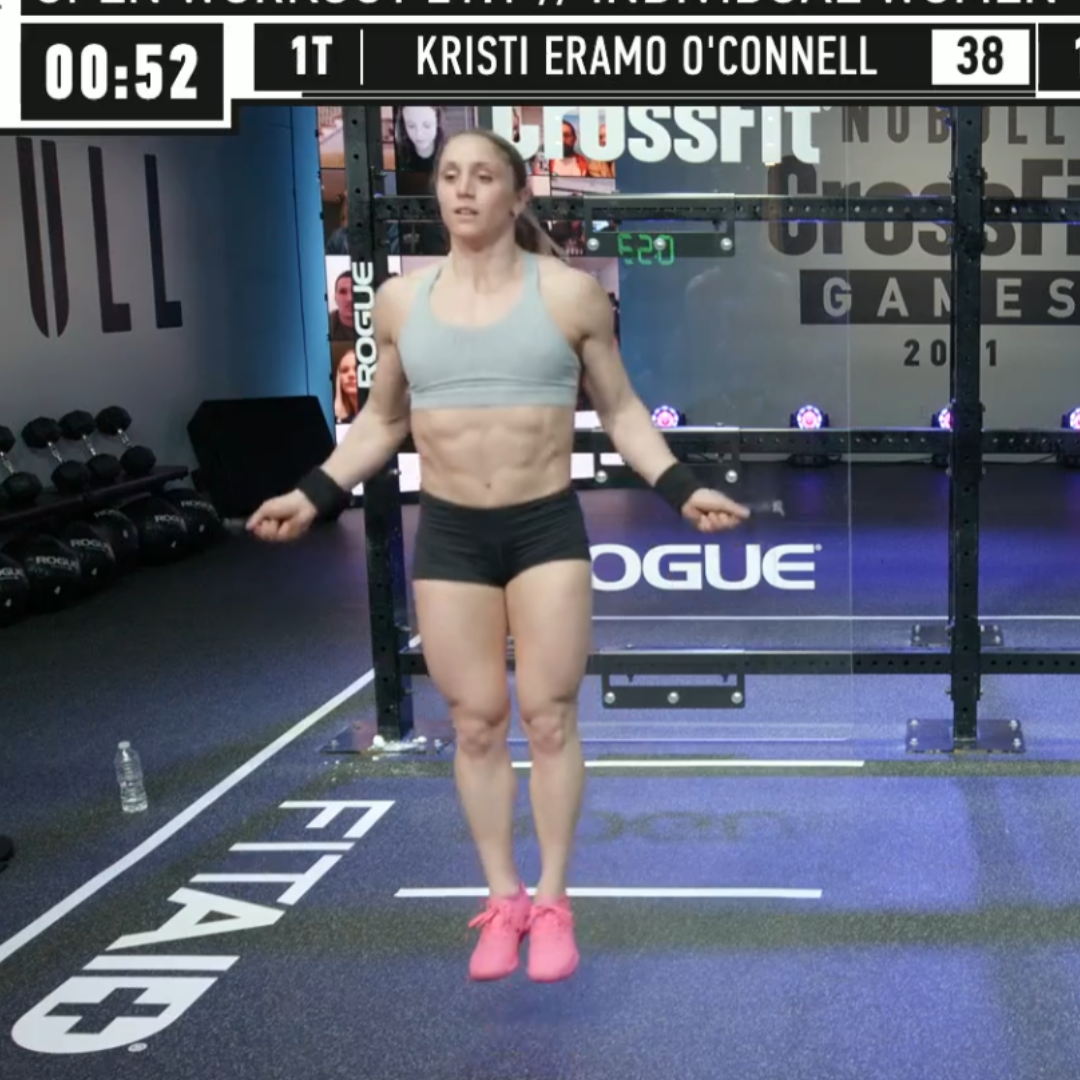
4. Open Workout 21.1 — 2021 CrossFit Open
Sometimes you don’t need a heavy barbell or a different rope to make double-unders miserable.
You just need tired shoulders.
Enter CrossFit Open Workout 21.1.
The workout progressed through:
1 wall walk
10 double-unders
3 wall walks
30 double-unders
6 wall walks
60 double-unders
9 wall walks
90 double-unders
15 wall walks
150 double-unders
21 wall walks
210 double-unders
In total, athletes faced 540 double-unders.
That alone is a massive amount of jump rope volume.
But combining those double-unders with wall walks made the workout especially nasty.
Wall walks demand a tremendous amount from the shoulders and upper body.
As that fatigue accumulates, athletes then have to immediately transition back to the rope.
And that’s where double-under efficiency becomes critical.
Good double-unders should look relatively relaxed.
The hands remain controlled.
The wrists generate most of the rope speed.
The athlete maintains consistent jump height.
But fatigue has a way of destroying those mechanics.
Shoulders tighten up.
Hands begin drifting away from the body.
The athlete starts jumping higher than necessary.
The rope path changes.
Then comes the miss.
The rope clips a toe.
You reset.
You start again.
Maybe you miss again.
That’s frustrating during a set of 20 double-unders.
During a set of 150 or 210, it can completely change the workout.
Open Workout 21.1 was a perfect demonstration of the difference between being able to do double-unders and being able to perform them efficiently under serious fatigue.
Occasionally the movement that looks easiest on paper becomes the part that decides the workout.
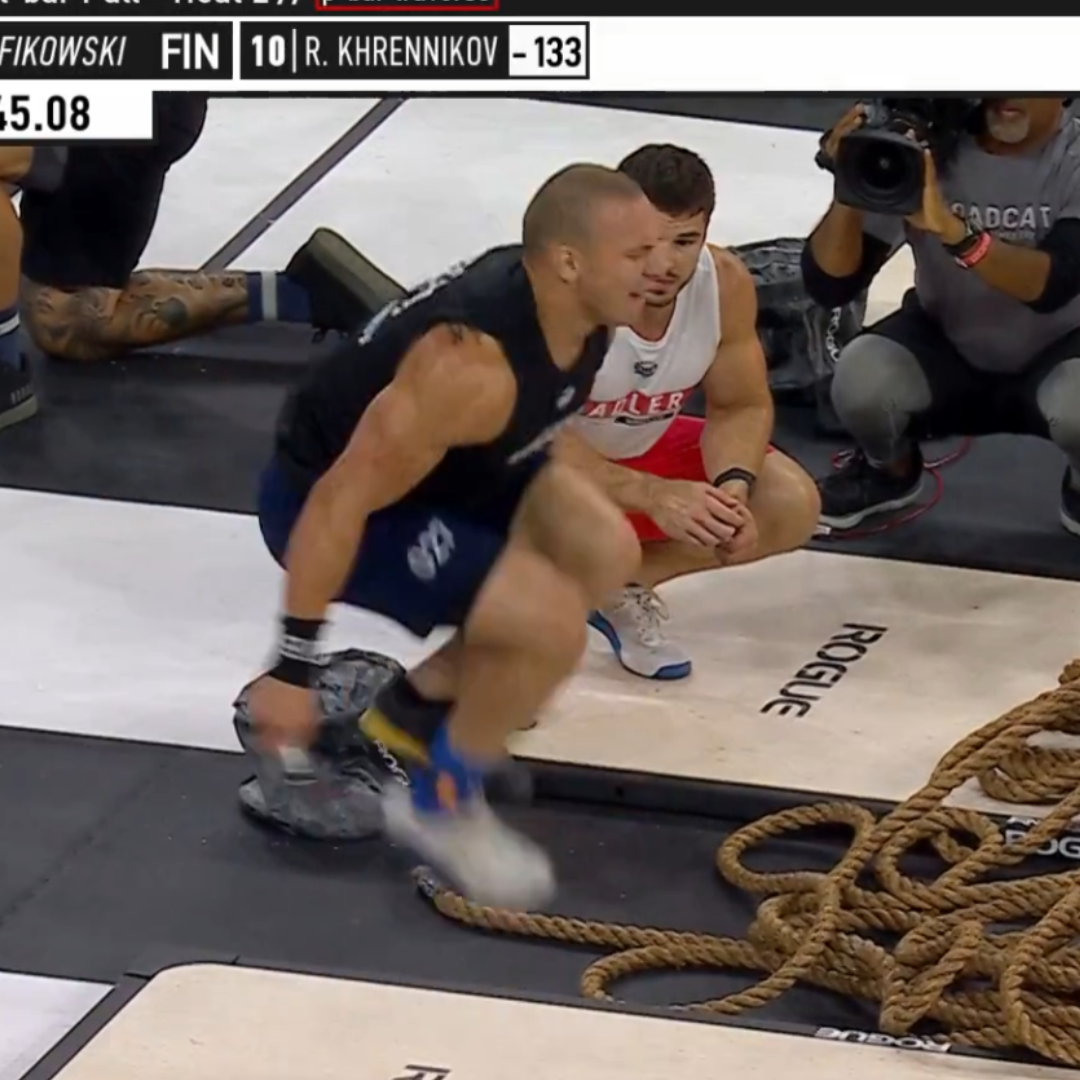
5. Parallel-bar Pull — 2023 CrossFit Games
By 2023, CrossFit had already tested massive double-under volume.
Athletes had used Drag Ropes.
They had performed hundreds of double-unders while dealing with serious shoulder fatigue.
So CrossFit introduced another variable.
Parallel-bar Pull — 2023 CrossFit Games
8 rounds for time:
Down-and-back P-bar traverse
30 heavy-rope double-unders
1 section hand-over-hand sled pull
Sled: 290 lb. women / 345 lb. men
Time cap: 15 minutes
Over eight rounds, athletes had to complete a total of 240 heavy-rope double-unders.
But the total number of reps only tells part of the story.
The rope work was sandwiched between parallel-bar traverses and heavy hand-over-hand sled pulls.
That means grip, shoulders, upper back, arms, and cardiovascular endurance were already being challenged before athletes picked up their ropes.
A heavier rope also changes the exertion of a double-under.
Compared with an ultra-light speed cable, the athlete receives significantly more feedback during the heavy double under.
That feedback can be valuable in training.
But it also means there is more resistance to overcome.
Over one set of 30 double-unders, that difference might seem manageable.
Over eight rounds?
It becomes a major part of the workout.
As fatigue builds, athletes have to maintain the right rope speed to complete their double-unders while resisting the temptation to tense up.
Any inefficient arm movement recruits the shoulders and burns them out quickly.
Any unnecessary shoulder tension becomes more expensive.
Every missed repetition wastes precious seconds.
Parallel-bar Pull also became memorable for something beyond the programming itself.
Roman Khrennikov entered the event after suffering a foot injury during the previous test.
Rather than withdrawing immediately, he returned to the competition floor.
During Parallel-bar Pull, Khrennikov continued working through the event despite the injury, including performing heavy-rope double-unders while hopping on one foot and battling through the sled work.
It became one of the memorable moments of the 2023 CrossFit Games.
From a jump rope perspective, though, Parallel-bar Pull also represents an important point in the sport’s evolution.
CrossFit had already tested how athletes handled massive double-under volume.
Then it changed the rope.
Three years later, it changed the skill itself.
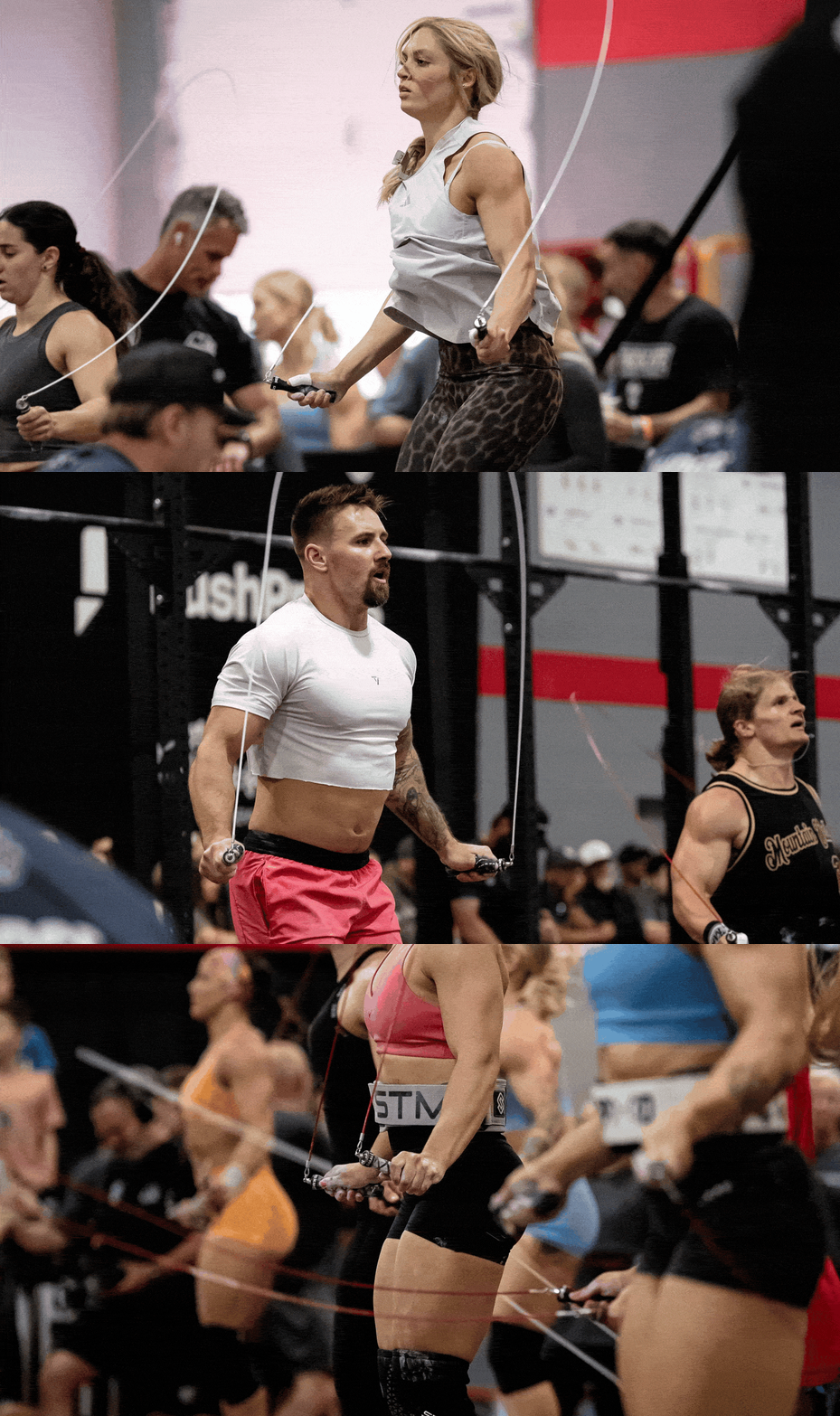
When you line these workouts up chronologically, there’s a clear progression.
2014 — Triple 3: Massive double-under volume in an endurance event.
2020 — Awful Annie: Double-unders performed with the added resistance of a Drag Rope.
2021 — Open Workout 21.1: Huge double-under sets performed under accumulating shoulder fatigue.
2023 — Parallel-bar Pull: Heavy-rope double-unders combined with grip-intensive upper-body work.
2026 — Triple Pig: Triple-unders performed as part of an elite mixed-modal CrossFit event.
That progression is significant.
CrossFit didn’t simply keep increasing the number of double-unders.
The sport continued finding different ways to challenge the athlete.
First came volume.
Then resistance.
Then fatigue.
Then heavier ropes.
And eventually, a higher-level jump rope skill.
The equipment you use can also play an important role.
Different athletes benefit from different levels of cable weight and feedback depending on their experience and the skill they’re trying to develop.
A newer athlete may want a rope that gives them a little more feedback while they learn the timing of the double-under.
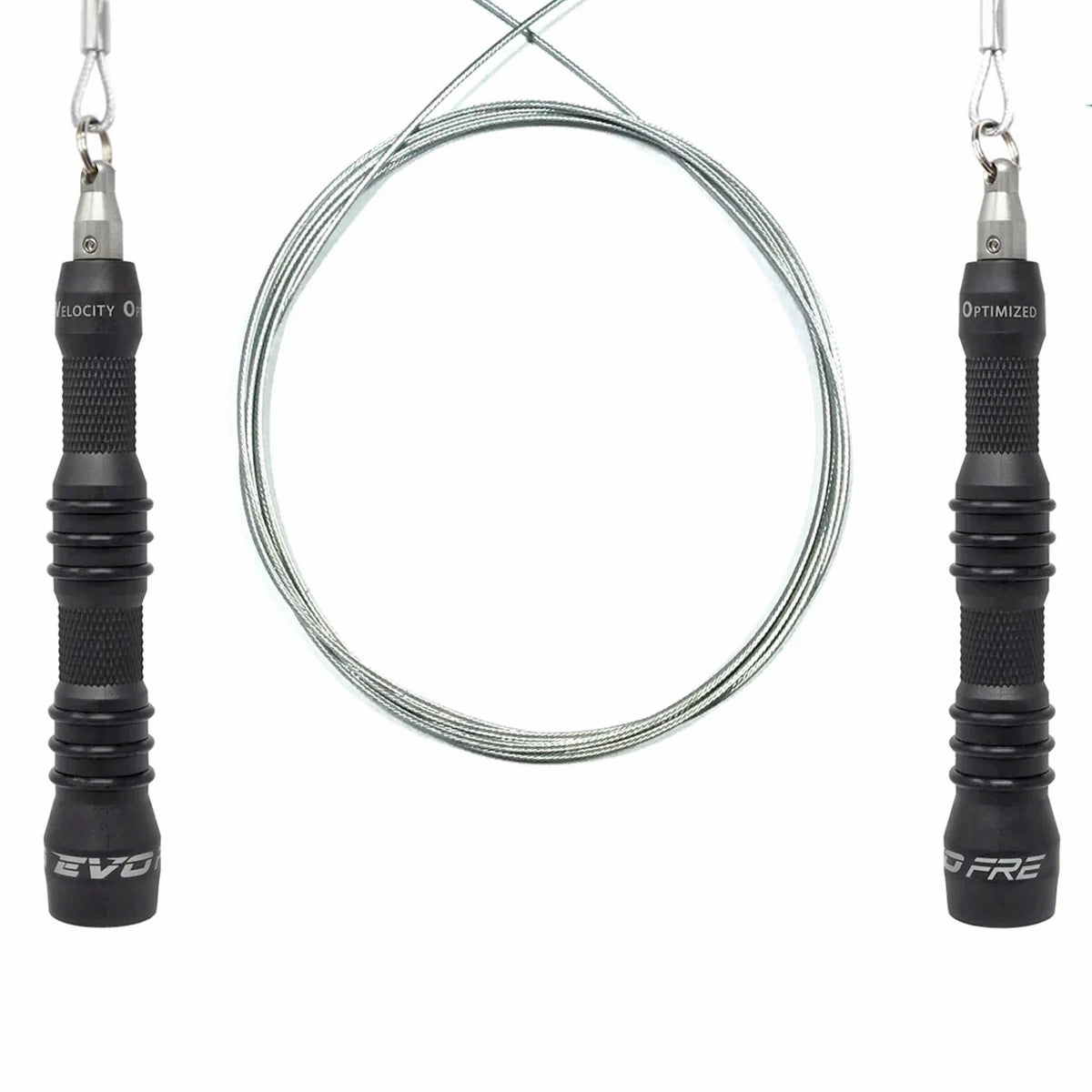
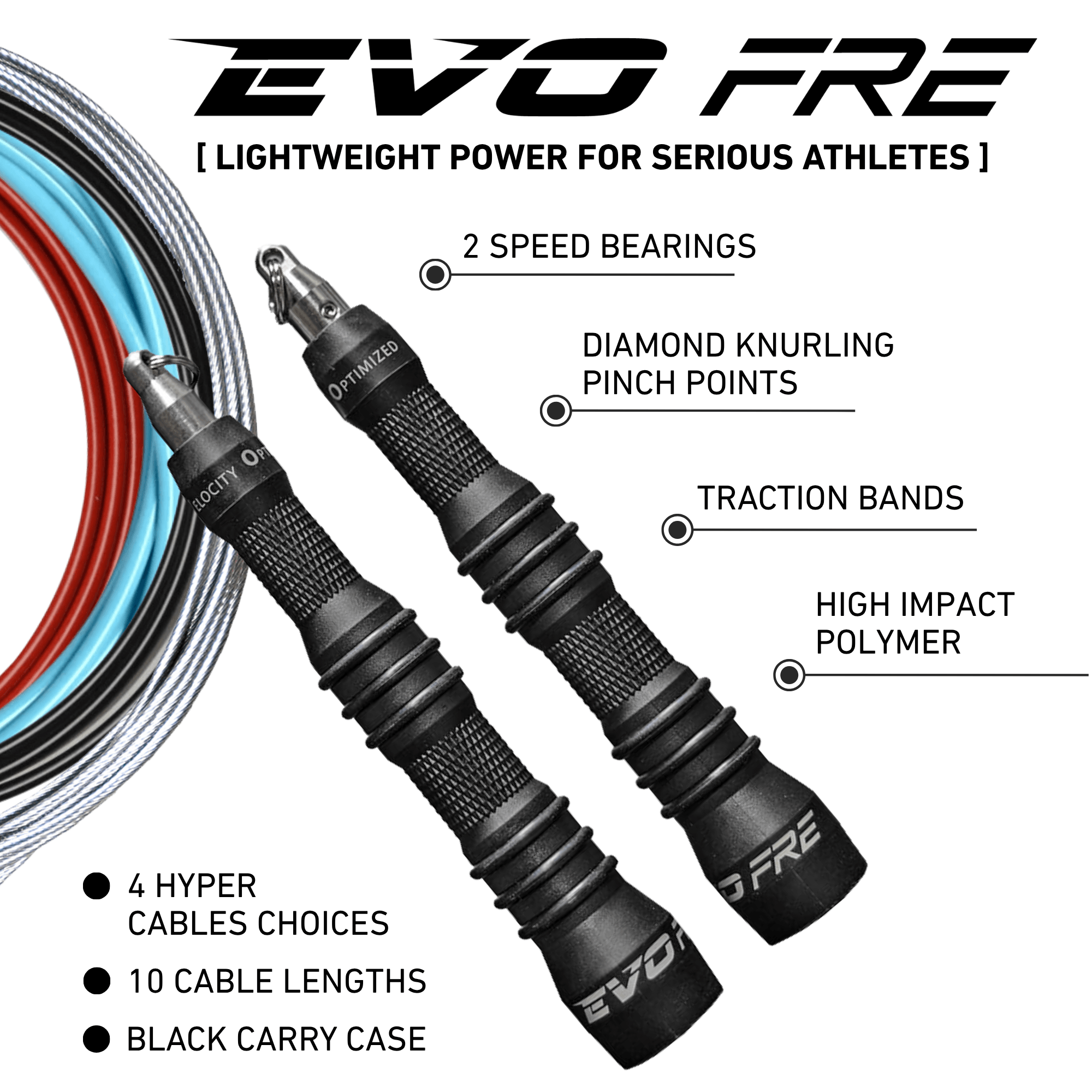
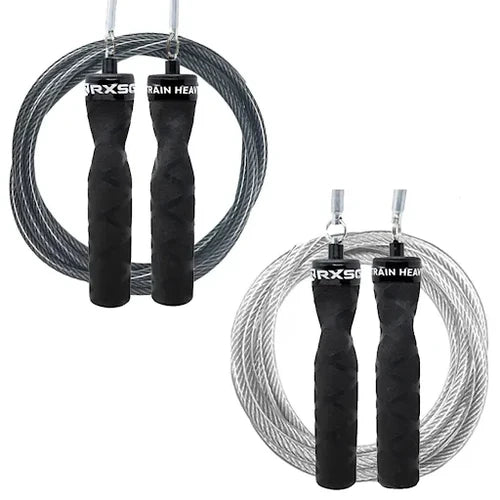
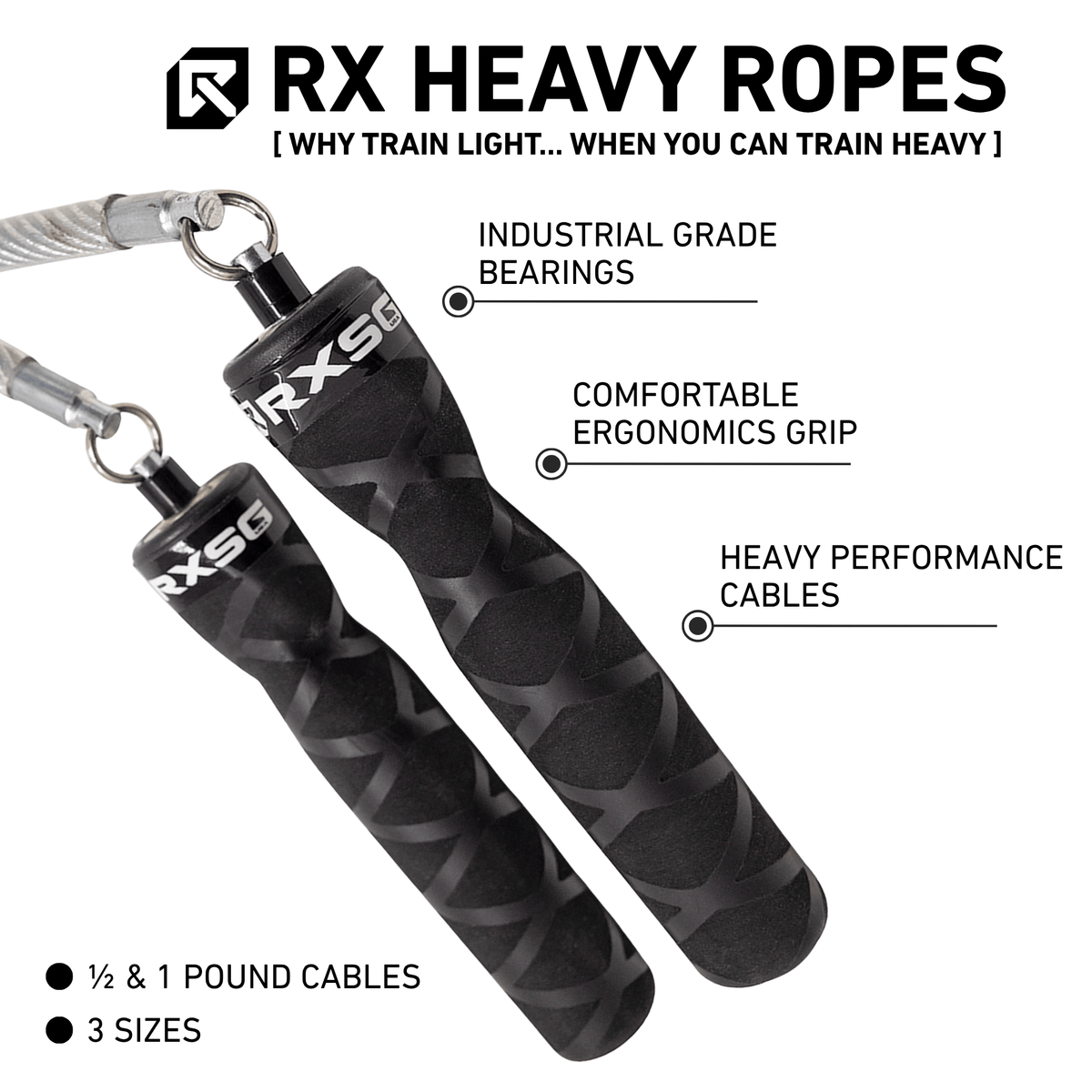
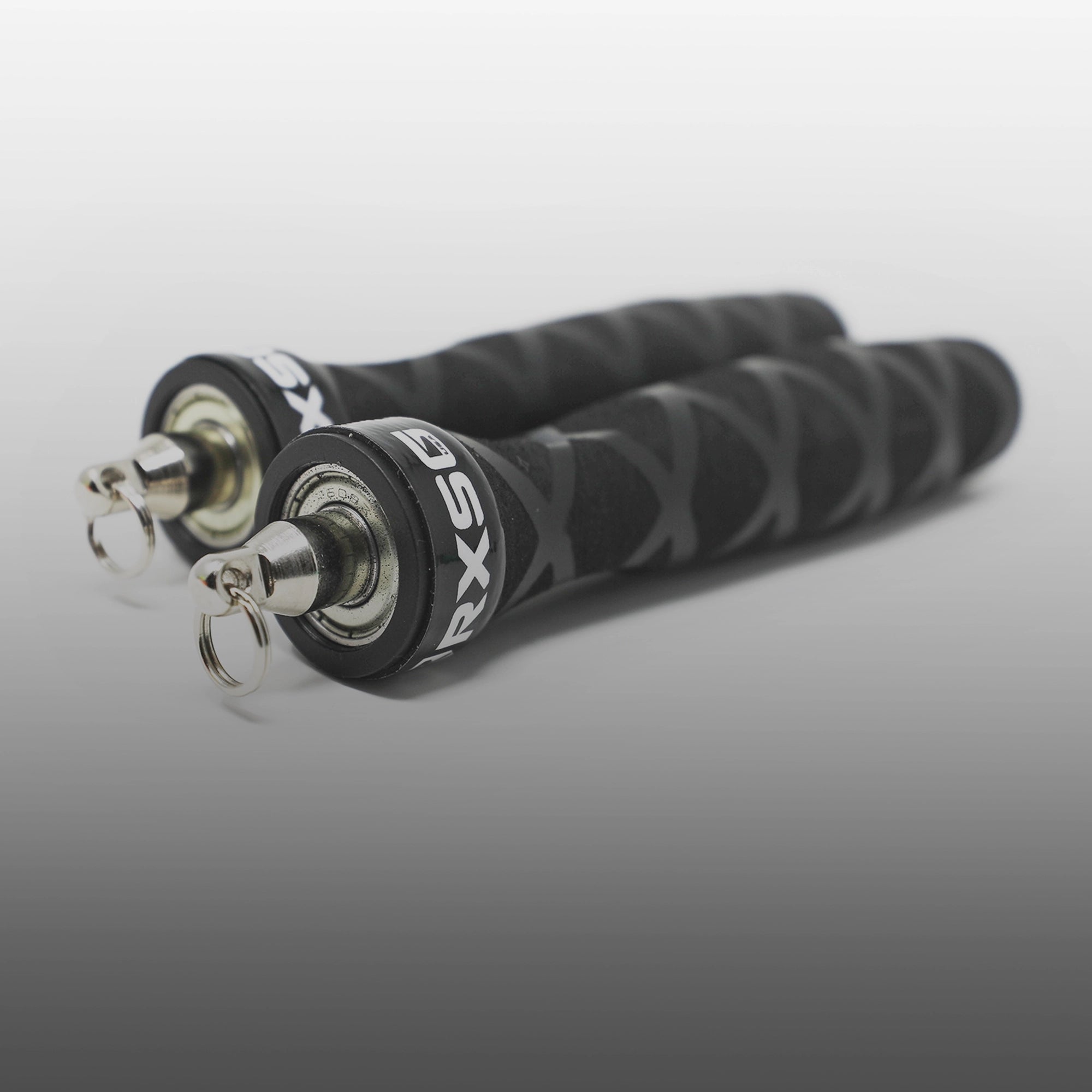
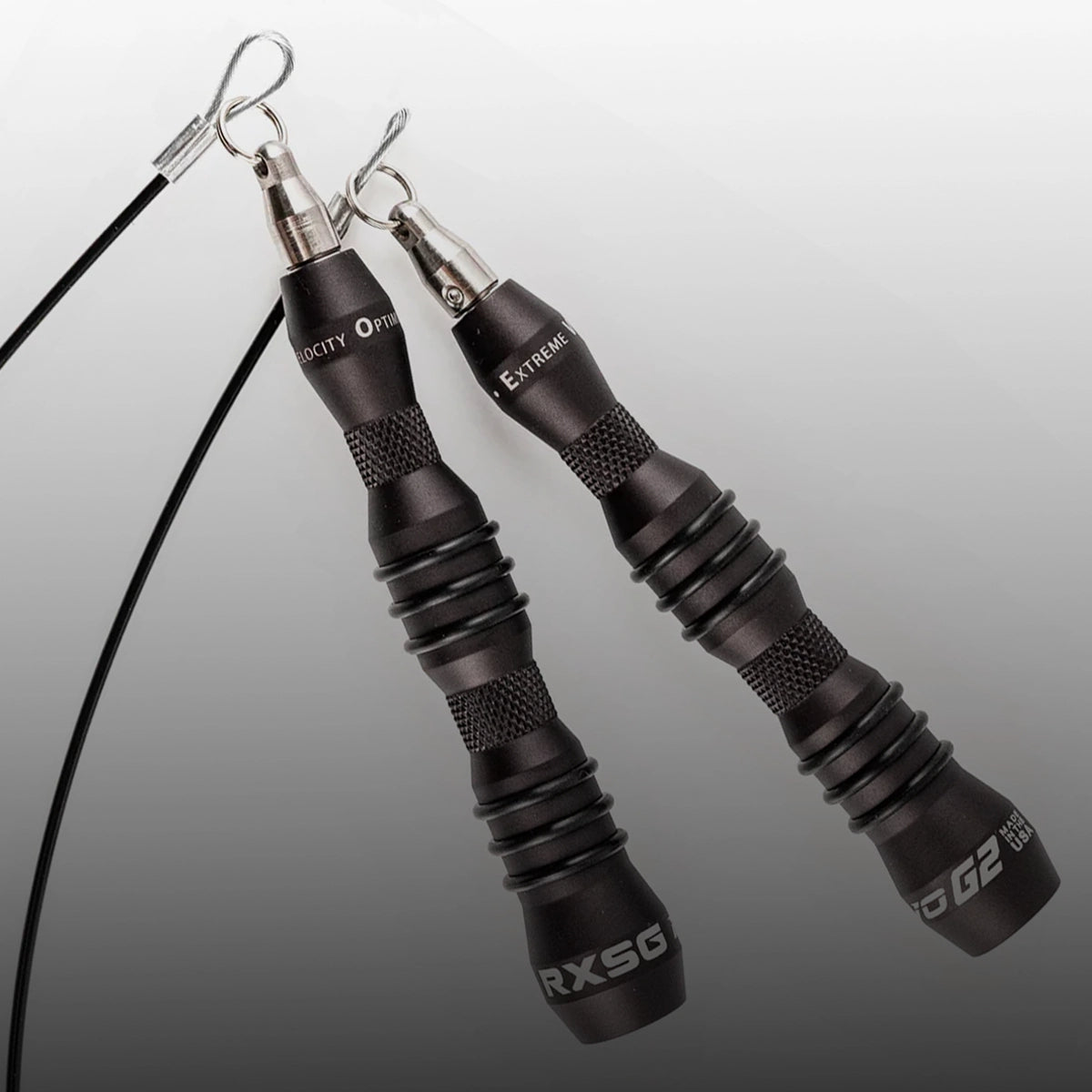
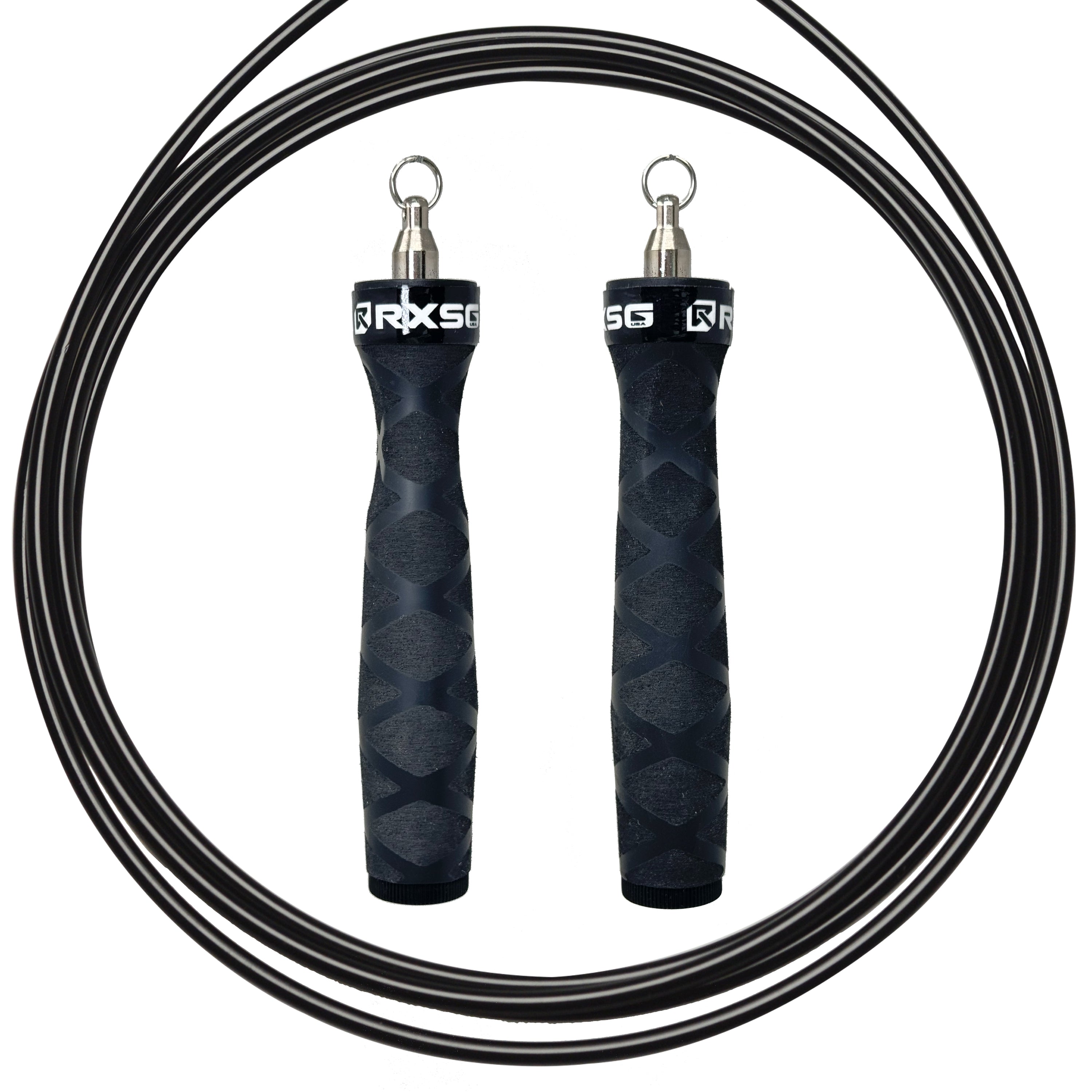
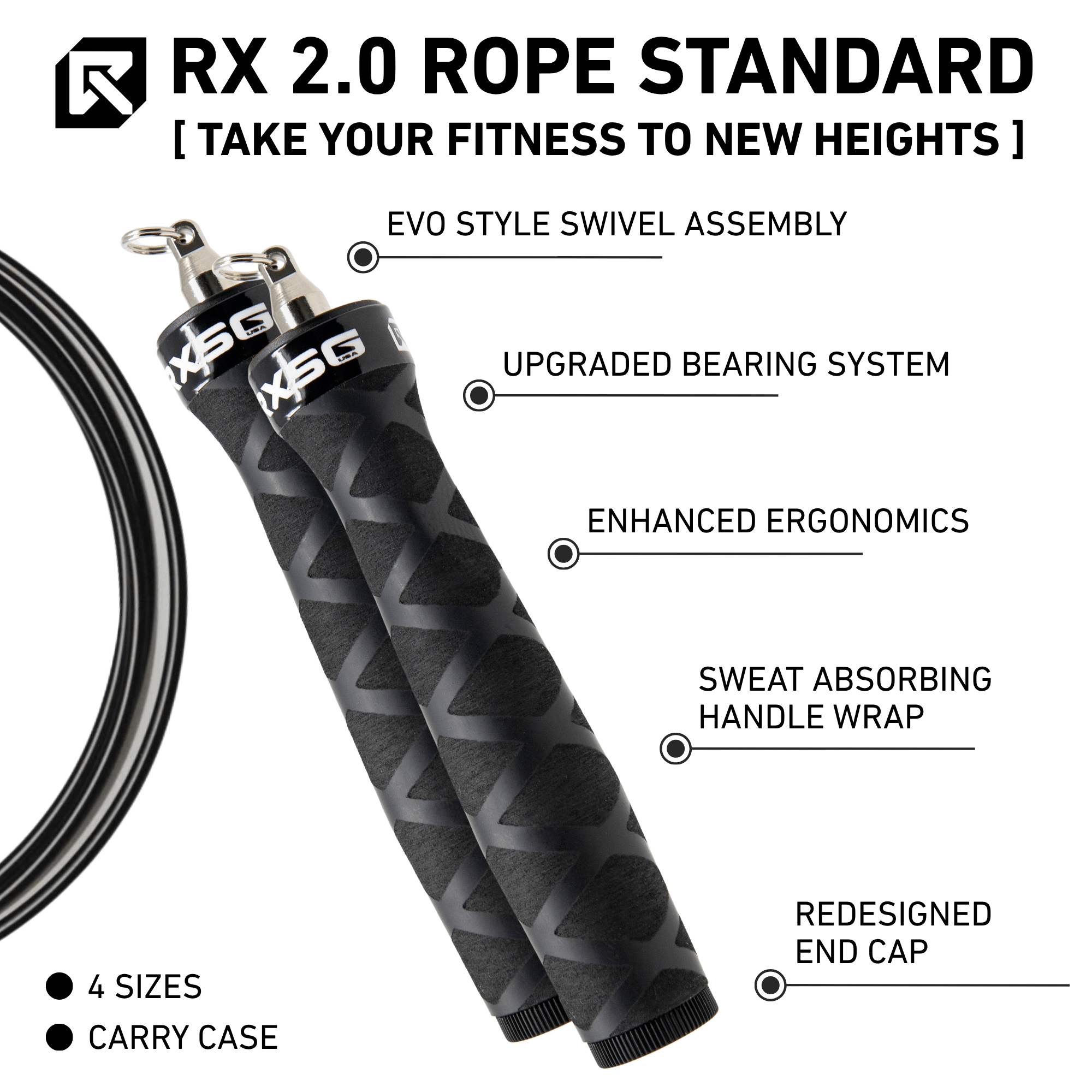
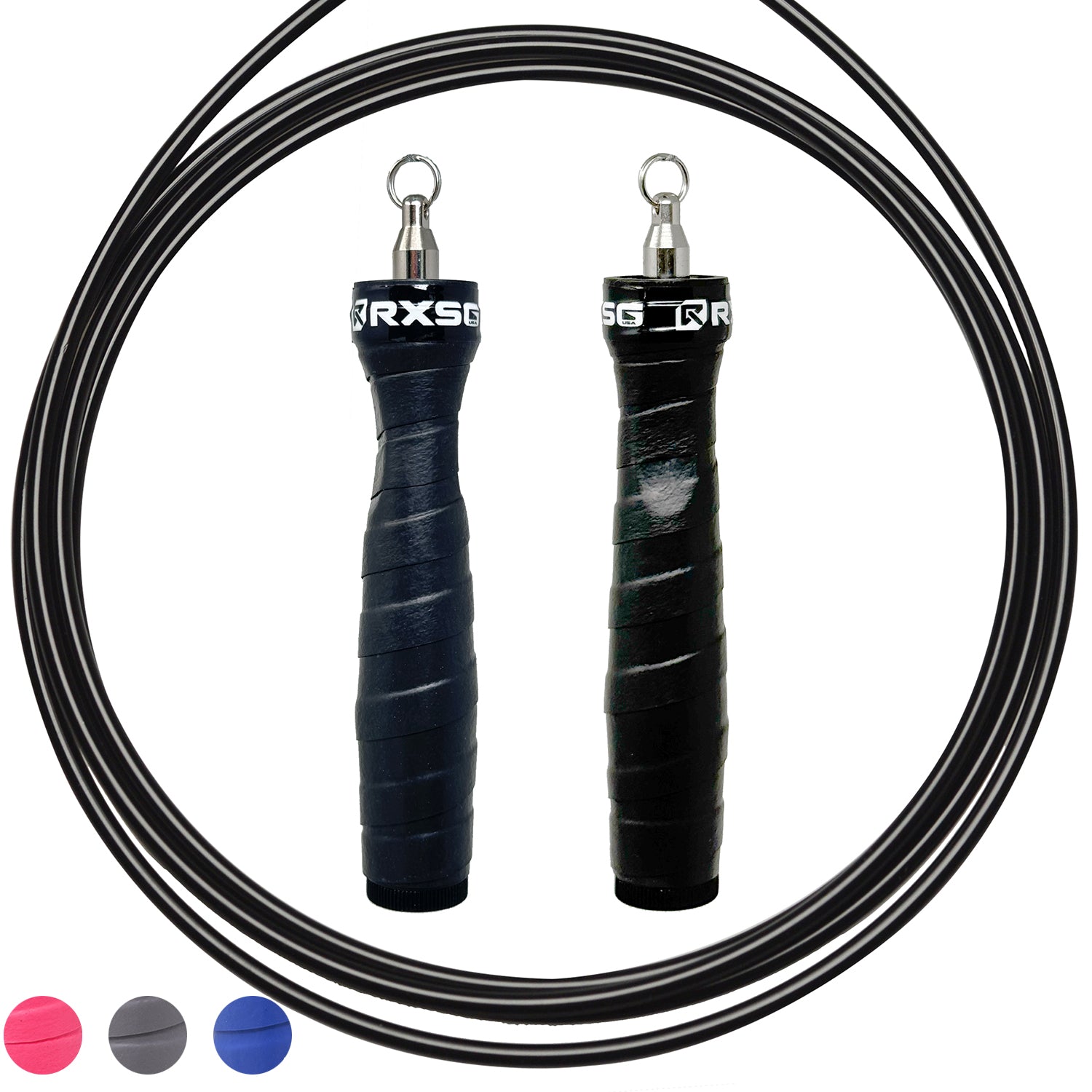
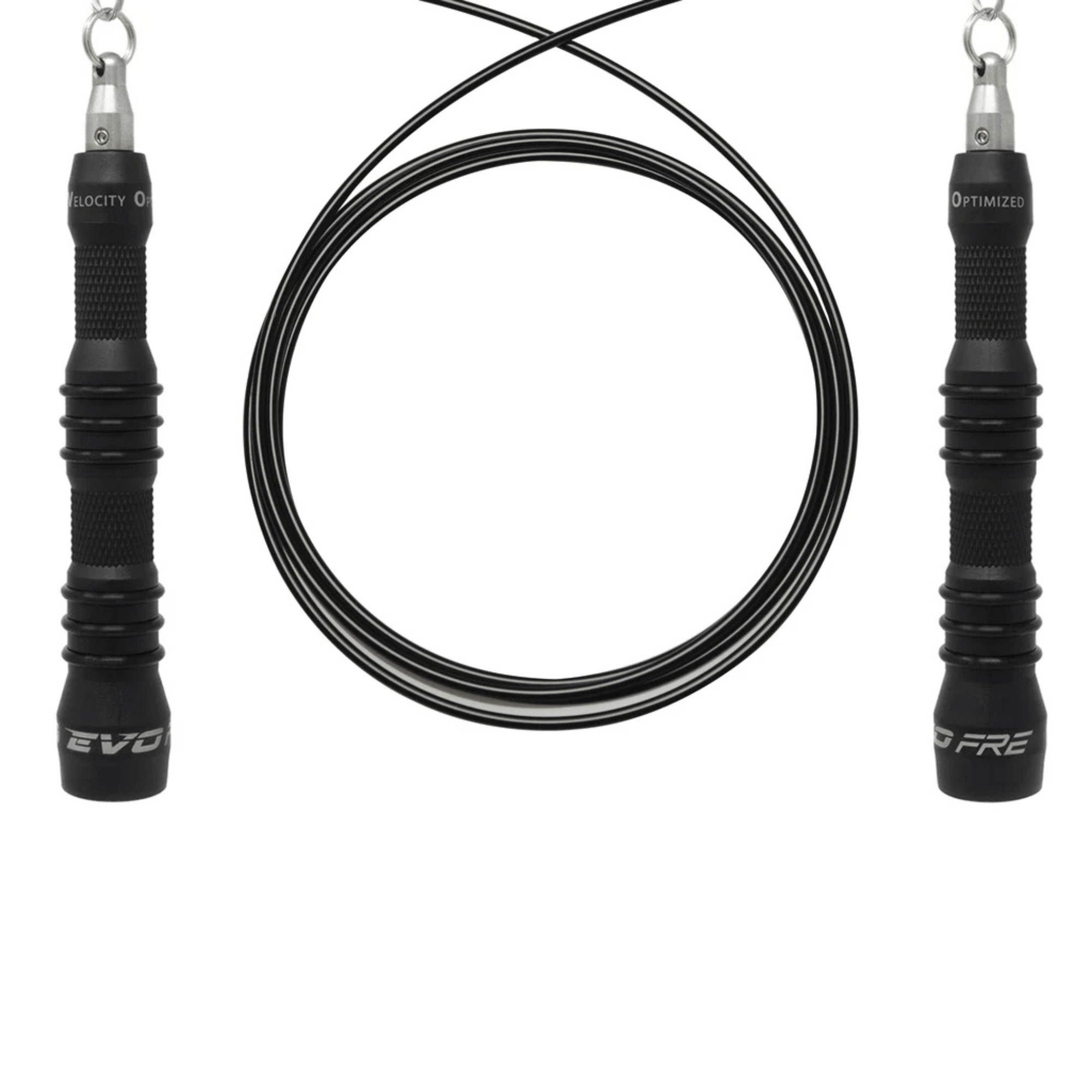
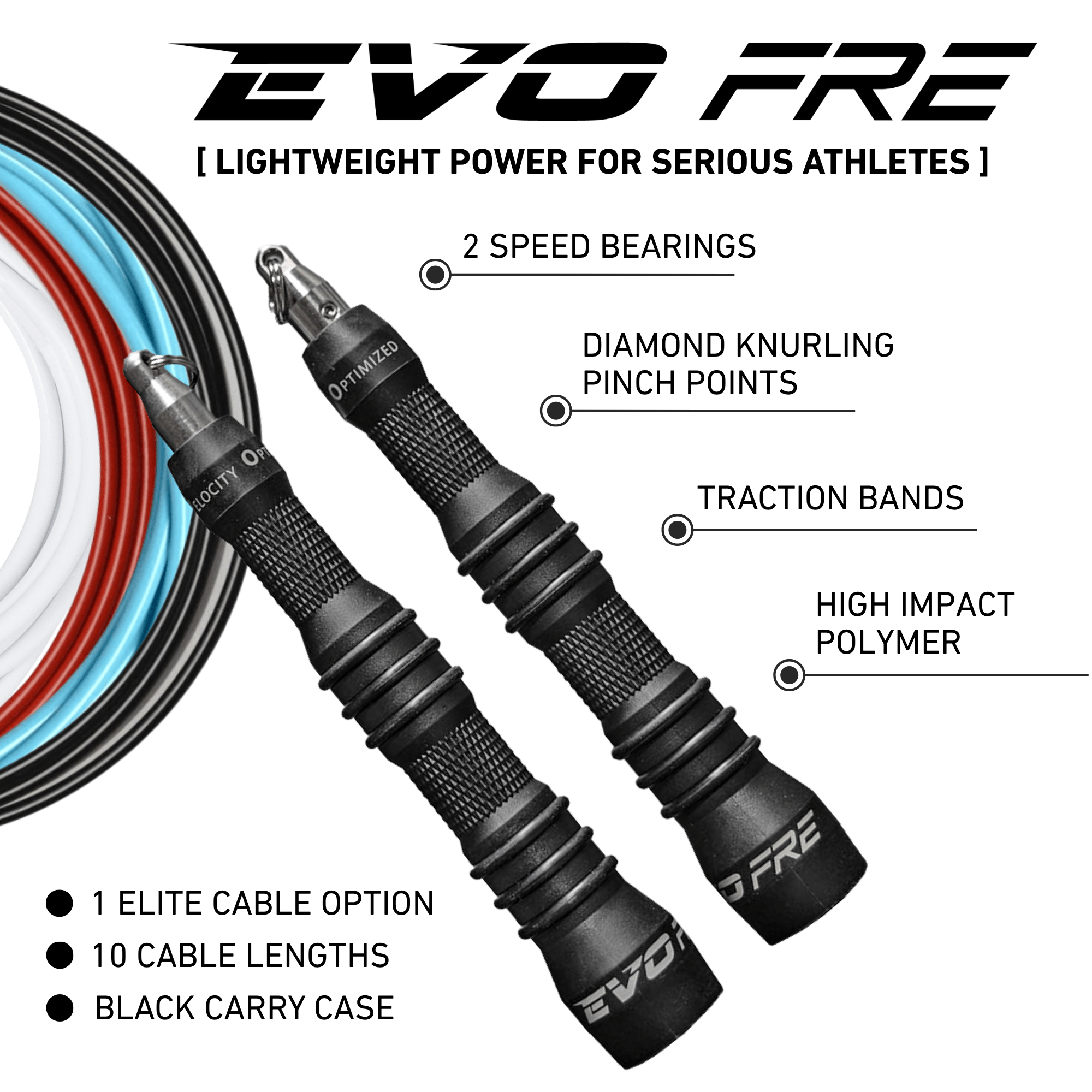
Learning triple unders also feels better with a rope that is a little heavier but subsequently paired with a lighter, smoother handle. Check out our EVO FRE Triple Under Rope.
More advanced athletes working on fast double-unders may need faster rotation and a more precise setup.
The goal isn’t simply to use the lightest or fastest rope possible.
The goal is to use the right rope for the athlete and the skill being trained.
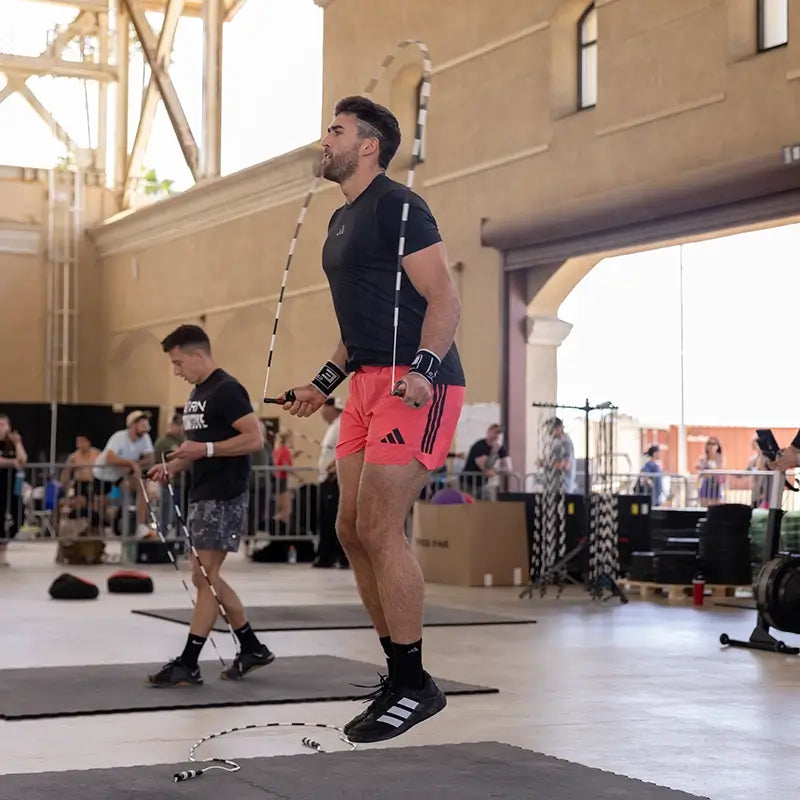
The 2026 CrossFit Games represent a particularly important moment because triple unders change the actual movement standard.
Instead of asking athletes to perform the same skill under increasingly difficult conditions, CrossFit asked them to perform another complete rope rotation during every jump. That requires greater jump height, better timing, more consistent positioning, and greater control.
And importantly, Triple Pig didn’t present triple-unders as an isolated skill test.
Athletes had to perform them inside a demanding workout.
That means the real challenge wasn’t simply:
Can you do a triple-under?
It was:
Can you still do triple-unders when you're exhausted?
That’s a much higher standard.
Should CrossFit Athletes Start Training Triple Unders?
If you’re still working on double-unders, the appearance of triple-unders at the 2026 CrossFit Games doesn’t mean you need to immediately start chasing triples.
Build the foundation first.
Consistent single-unders matter.
Efficient double-unders matter even more.
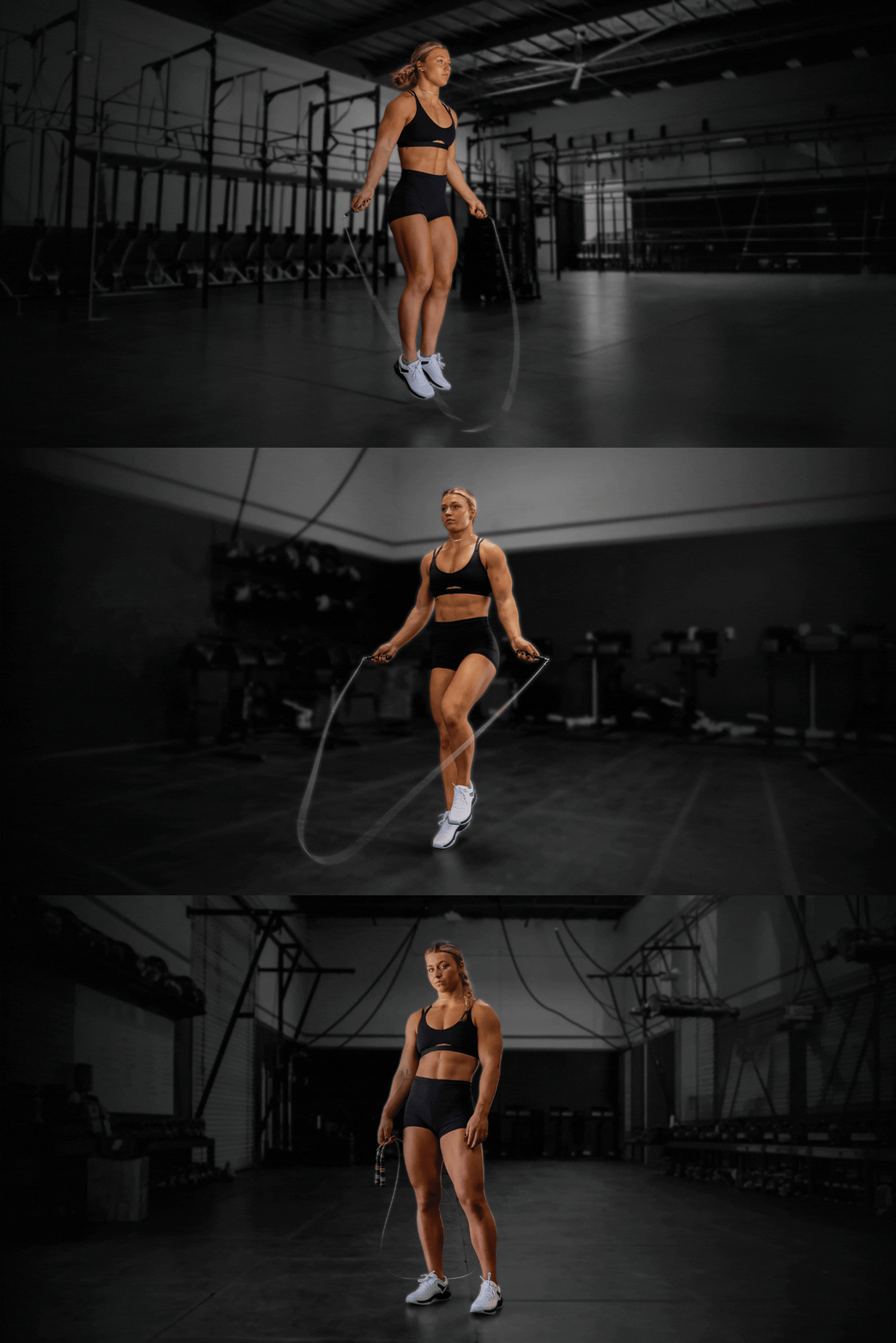
Before working seriously on triple-unders, an athlete should develop the ability to maintain controlled jump height, efficient wrist movement, stable hand positioning, and relaxed body mechanics.
One of the biggest mistakes athletes make with double-unders is trying to solve every problem spinning harder.
That usually creates more tension, not more efficiency.
Triple-unders require hang time, but the fundamentals still matter.
Your rope path needs to remain consistent.
Your body position needs to stay controlled.
Your wrists need to generate speed without your shoulders doing all the work.
And you need enough awareness of the rope to understand what went wrong when you miss.
The equipment you use can also play an important role.
Different athletes benefit from different levels of cable weight and feedback depending on their experience and the skill they’re trying to develop.
A newer athlete may want a rope that gives them a little more feedback while they learn the timing of the double-under.
Learning triple unders also feels better with a rope that is a little heavier but subsequently paired with a lighter, smoother handle. Check out our EVO FRE Triple Under Rope.
More advanced athletes working on fast double-unders may need faster rotation and a more precise setup.
The goal isn’t simply to use the lightest or fastest rope possible.
The goal is to use the right rope for the athlete and the skill being trained.
That might be the most interesting question of all.
CrossFit has already taken athletes from large sets of traditional double-unders to Drag Ropes, heavy ropes, massive shoulder-fatigue combinations, and now triple-unders.
So what comes next?
More triple-under volume?
Triple-unders paired with heavy lifting?
Triple-unders after demanding gymnastics?
Different rope weights?
A completely new jump rope skill?
We’ll have to wait and see.
But if the history of CrossFit programming tells us anything, the jump rope is going to keep evolving.
That’s part of what makes it such an effective training tool.
It’s simple enough for a beginner to pick up and start jumping.
But there’s almost no ceiling on how technically demanding it can become.
One athlete may be working toward 50 consecutive single-unders.
Another may be chasing their first double-under.
Another may be trying to complete 100 doubles unbroken.
And now, after the 2026 CrossFit Games, advanced athletes have another benchmark to chase:
Triple Unders.
The rope might still be one of the simplest pieces of equipment in the gym.
But CrossFit has spent more than a decade proving just how brutal it can be.