

David Newman | RXSG CEO & Expert Jump Rope Coach
The 2026 Legends Championship just wrapped up at the Del Mar Arena in Southern California, and if you weren't watching, you missed one of the most revealing tests of elite fitness the CrossFit season has delivered so far.
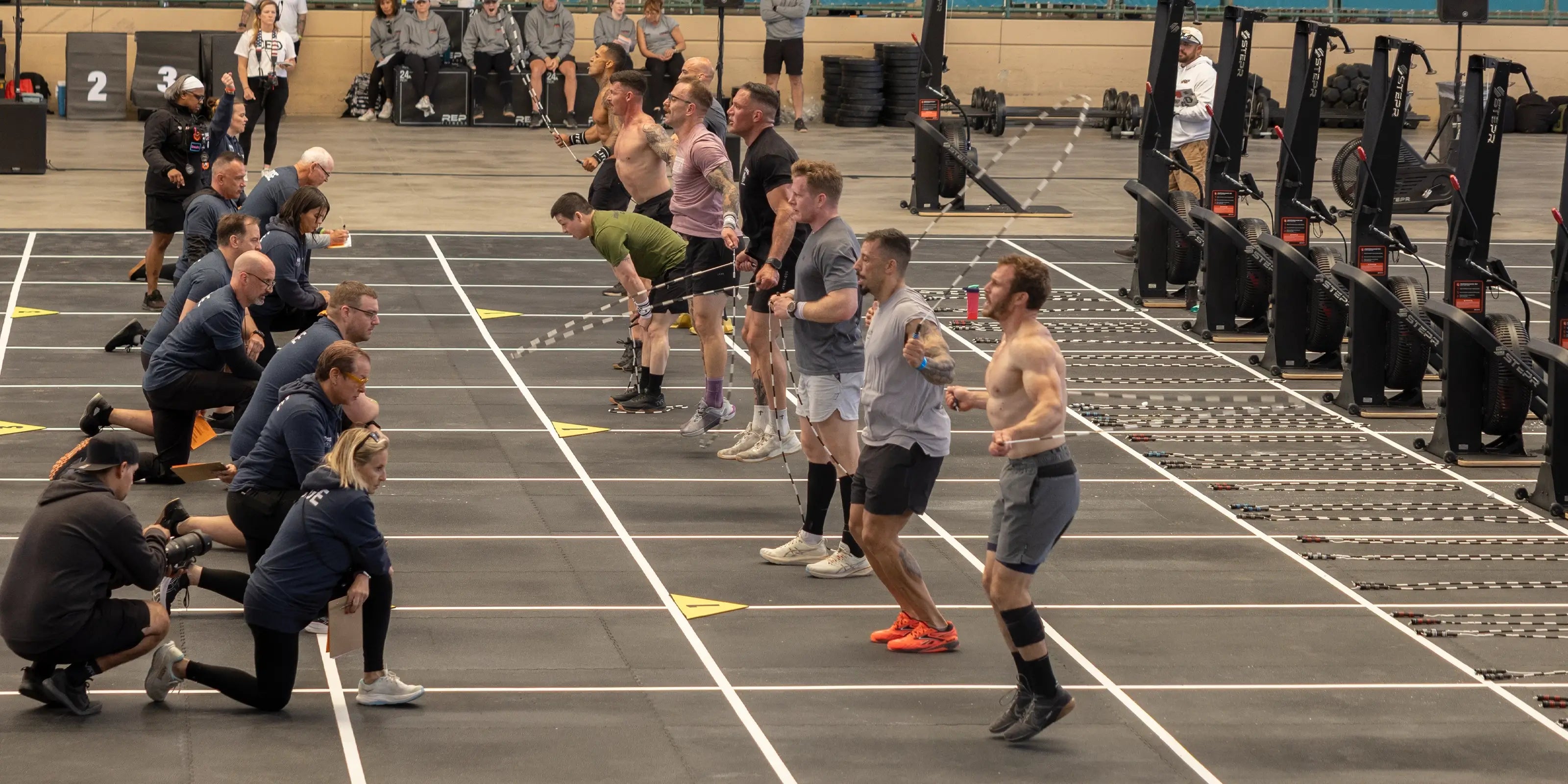
Over three days — April 24 through 26 — elite individuals and Masters athletes from across the country competed in five brutal events, all fighting for a limited number of qualifying spots to the 2026 CrossFit Games in San Jose. The performances were extraordinary. The programming was unforgiving. And buried right at the end of Event 1, after a massive aerobic effort, was the movement that separated the truly prepared from everyone else: 200 double-unders with a beaded rope.
There is a clear and direct lesson in that for every athlete who has ever picked up a jump rope. Here's what happened in Del Mar, why it matters, and why the benchmark these athletes set should be your next training target.
The Workout That Set the Tone
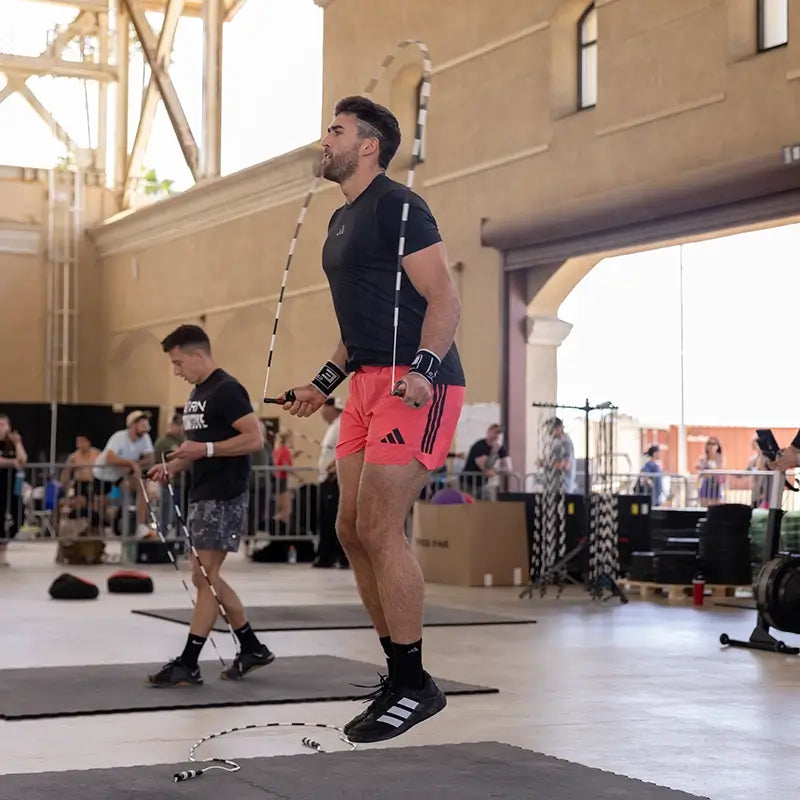
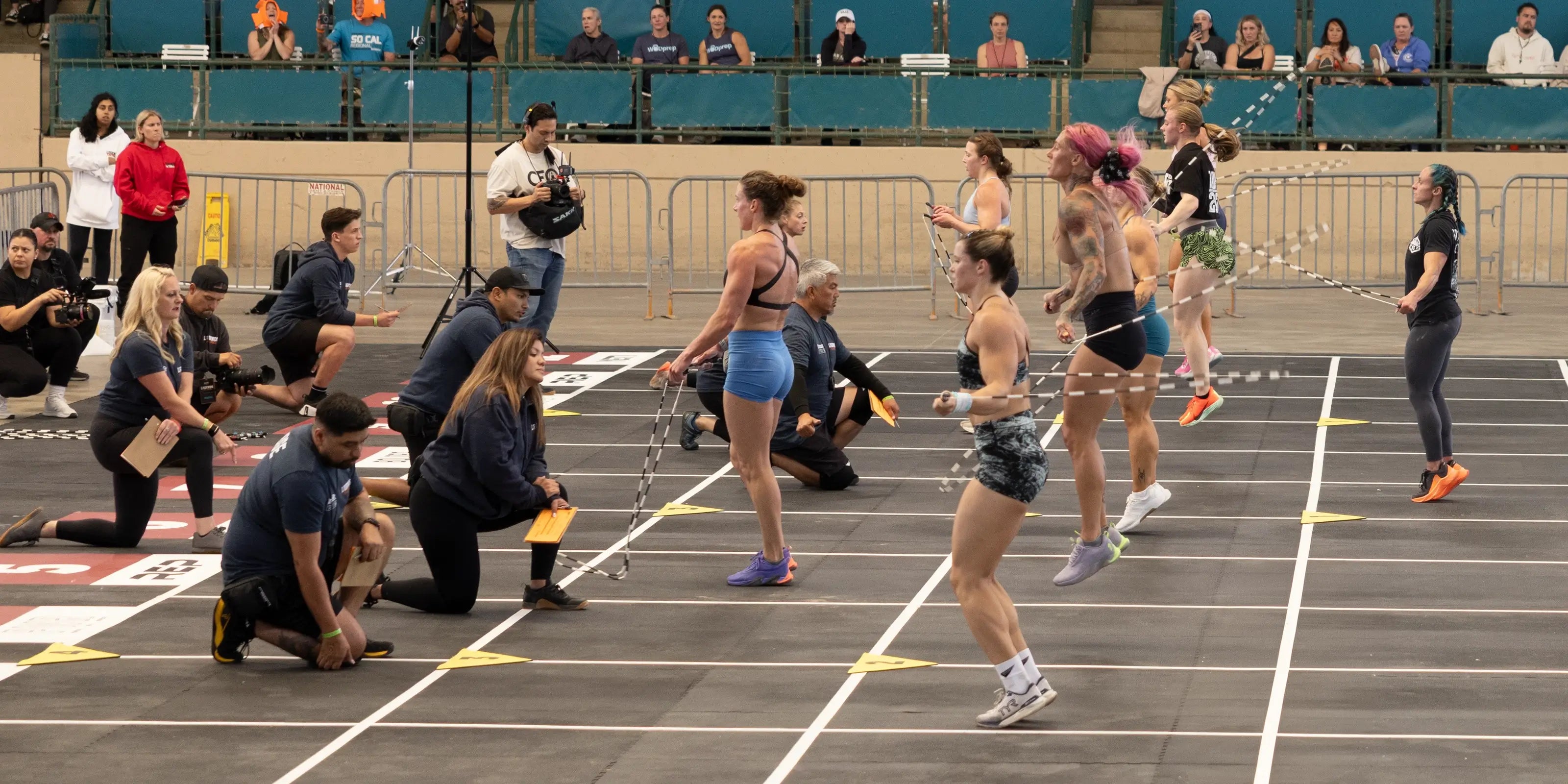
Event 1 at the 2026 Legends Championship was a three-part chipper for time: a 7,000/5,500-meter bike, followed by a 1,800/1,400-meter ski erg, and then — once your legs are cooked, your lungs are burning, and your forearms are already taxed from gripping handles — 200 double-unders with a beaded rope.
This is not programming that was designed to be comfortable. It was designed to expose exactly who has built the jump rope into their training as a real skill and who has been treating it like a warm-up novelty. When the rope comes out after a sustained aerobic effort of that magnitude, there is nowhere to hide. Your rhythm is disrupted. Your breathing is irregular. The fine motor control you rely on for smooth double-unders starts to break down under fatigue.
The athletes who thrived on this event didn't power through it on willpower — they fell back on technique they had drilled so many times it was automatic. The beaded rope specification made it even more demanding. Beaded ropes have a different weight distribution and rotational profile than a standard speed cable. They require deliberate wrist mechanics, consistent timing, and a relaxed grip — because you cannot muscle your way through 200 reps when the rope demands precision.
Any athlete who had only ever trained with one type of rope felt that difference acutely. Olivia Kerstetter won Event 1 on the women's side and never looked back, claiming the overall women's title with 465 points and earning her ticket to the CrossFit Games. On the men's side, James Sprague took Event 1 and posted 460 points for the weekend, qualifying for the Games alongside overall winner Dallin Pepper, who dominated with 485 points. Their ability to execute cleanly under the worst possible conditions for rope work wasn't luck. It was built in the gym, rep by rep, long before Del Mar.
Masters Division: Your Best Argument for No More Excuses
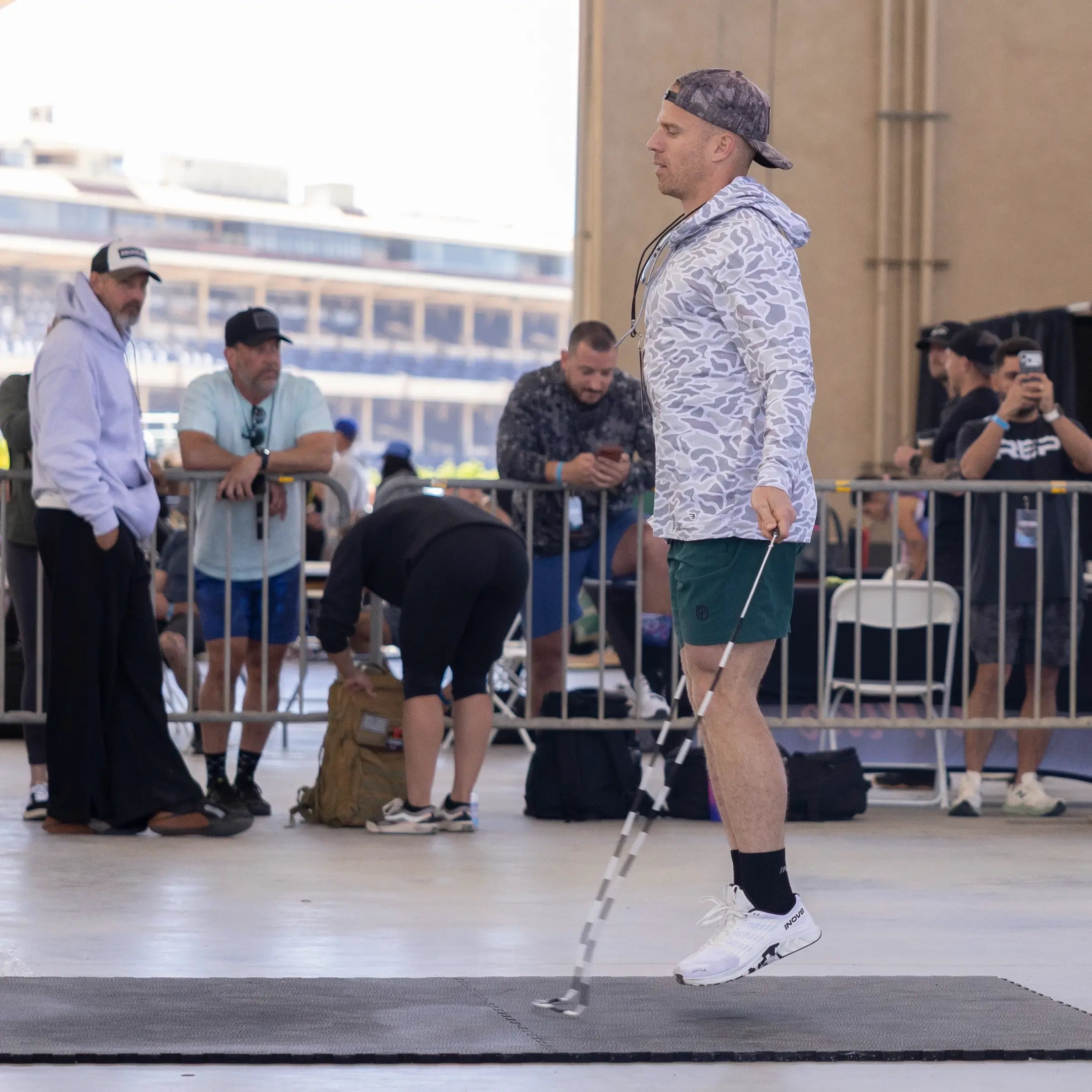
What makes the Legends Championship uniquely powerful as a benchmark event isn't just the elite individual competition — it's the Masters divisions. Competing alongside the elite athletes were men and women ranging from the 35-39 age group all the way through the 70+ division, all chasing their own qualifying spots to the CrossFit Games. Veterans like Scott Panchik, Sam Dancer, Rebecca Voigt-Miller, David Hippensteel, and Denise Moore showed up, competed on the same floor, under the same standards, and qualified for the Games through their own divisions.
These are athletes who have been in the sport for years, in some cases decades, and they are still executing double-unders at a qualifying level. They are still meeting beaded rope standards at a CrossFit Semifinal. Age did not take the rope away from them — because they never stopped training it.
That's the piece that deserves to land for every athlete reading this. If a 45-year-old Masters athlete can get through 200 beaded rope double-unders after a bike and ski in a qualifying competition, you have no honest excuse for tripping over the rope in a regular class workout. The gap between you and them is not their genetics. It is not the number of years they have been alive. It is the number of times they have picked up a rope, identified their weaknesses, and done the work.
What the Rope Reveals That Everything Else Doesn't
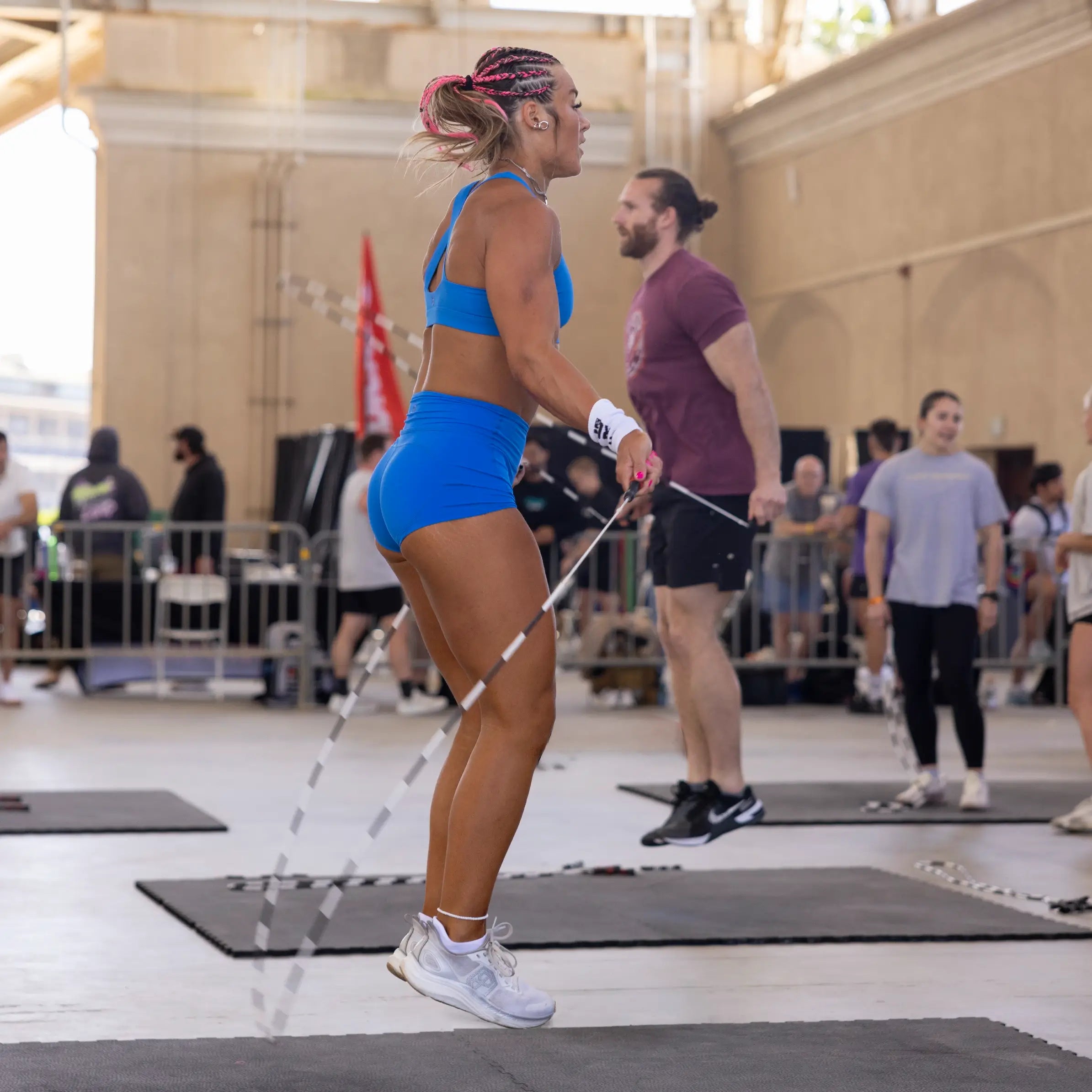
There is a reason jump rope keeps appearing in elite CrossFit programming year after year. It is one of the few movements that cannot be faked. You either maintain rhythm and timing under fatigue, or the rope stops. There is no grinding through a bad rep on a jump rope the way you can muscle through an ugly clean or fight through a broken handstand walk. The feedback is immediate and absolute.
This is exactly what makes 200 double-unders at the end of a chipper such a revealing test.
By that point in Event 1, every athlete on the competition floor at Del Mar was fatigued. The bike and ski had taken their toll.The athletes who kept moving efficiently on the rope were the ones who had trained specifically for this scenario — who had deliberately practiced their double-unders under fatigue, at the end of workouts, not just in fresh warm-up sets. The athletes who struggled were the ones who had only ever practiced the rope when it was the first thing on the whiteboard.
The lesson is simple and actionable: if your training never asks you to pick up a rope when you're already tired, you are not training for how the rope actually appears in competition. Start finishing your workouts with rope work. Put 100 or 150 double-unders at the end of a bike or row session and see what your rhythm looks like. That's where the real skill lives — not in the fresh warm-up set, but in the fatigued set when it counts.
Your Benchmark Exists. Will You Use It?
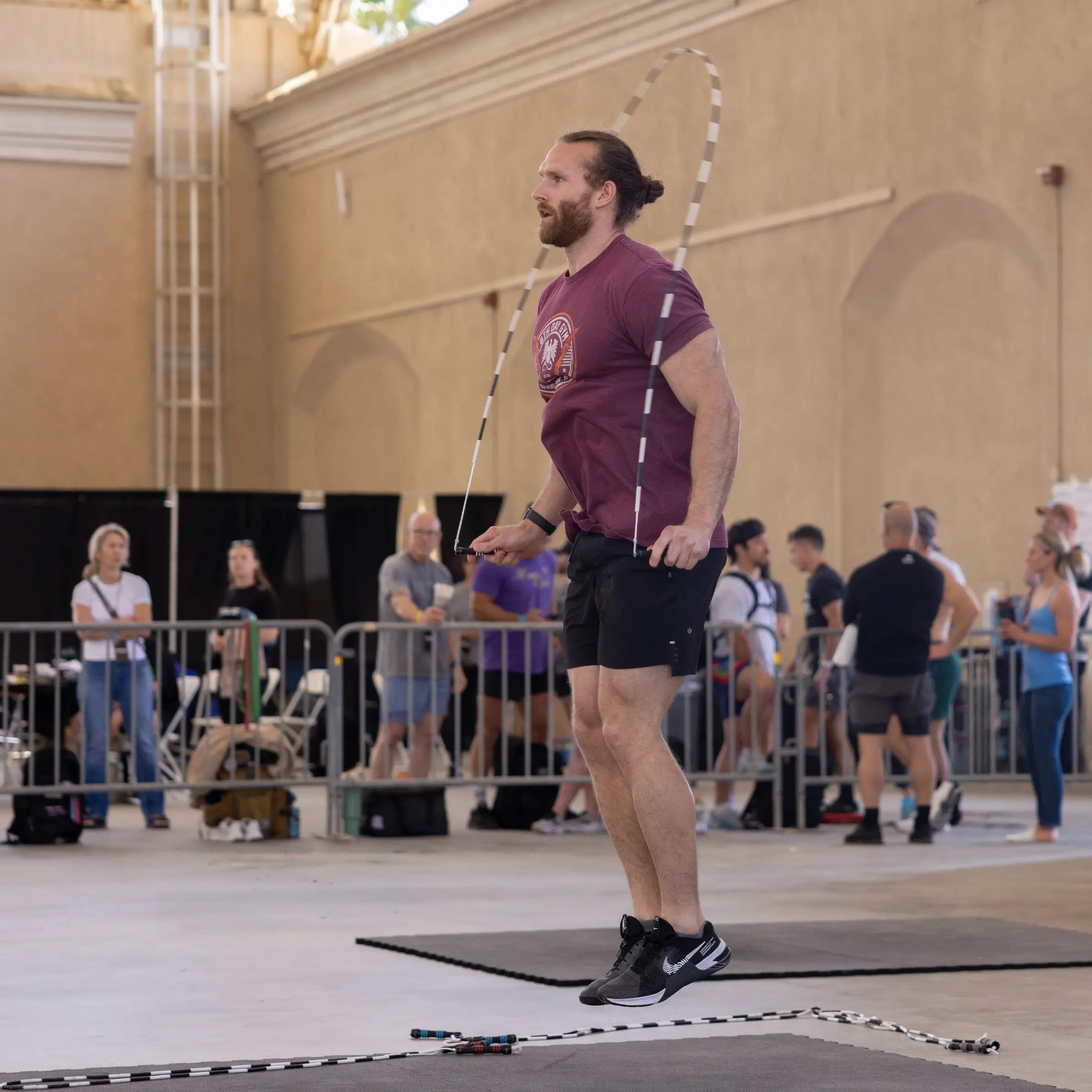
Here is what the 2026 Legends Championship hands every athlete who wasn't in Del Mar: a documented, publicly available standard. You know the workout. You know the movements. You know the weights, the distances, and the rep counts. You know that Dallin Pepper finished as the top man with 485 points and that Olivia Kerstetter led the women at 465. You have a leaderboard full of names and scores that represent exactly what elite performance looks like right now, in 2026, at this stage of the season.
That benchmark is not there to make you feel inadequate. It's there to give your training direction. One of the most powerful things CrossFit has ever done for athletes at every level is make elite standards transparent and measurable. You don't have to guess what good looks like. You can look it up. And once you know what you're measuring yourself against, the question changes from "how am I doing?" to "what do I need to build?
"For a lot of athletes, the honest answer to that question includes the jump rope. It includes training the beaded rope, not just the speed cable. It includes putting double-unders at the end of workouts, not just the beginning. And it includes closing the gap between the athlete you are right now and the athlete who could have competed at Del Mar.
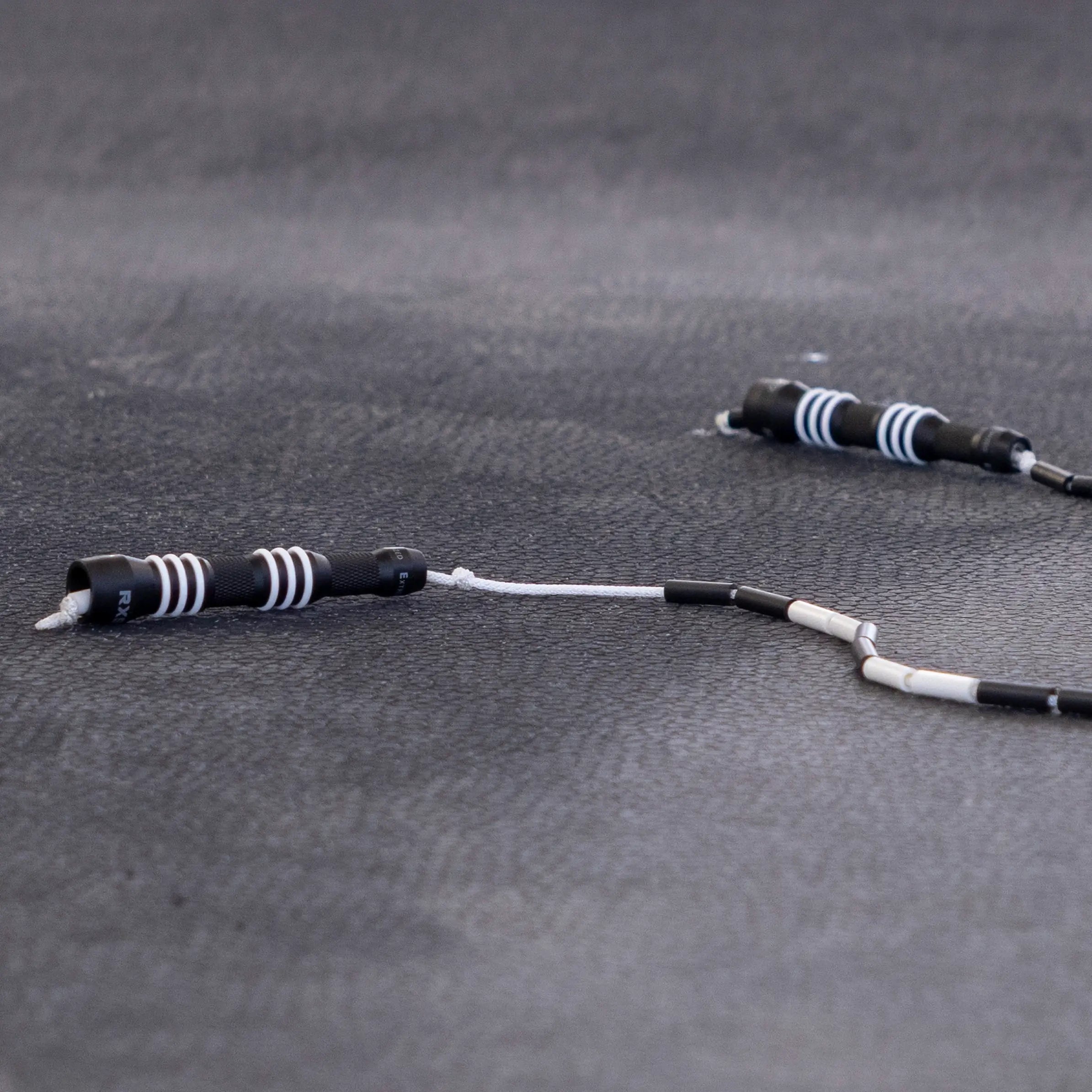
The Right Equipment for the Real Test
None of this happens without the right gear. The rope in your hands affects how you train, how you practice rhythm, and how prepared you are when a competition hands you a beaded rope specification and 200 reps after an exhausting aerobic effort.
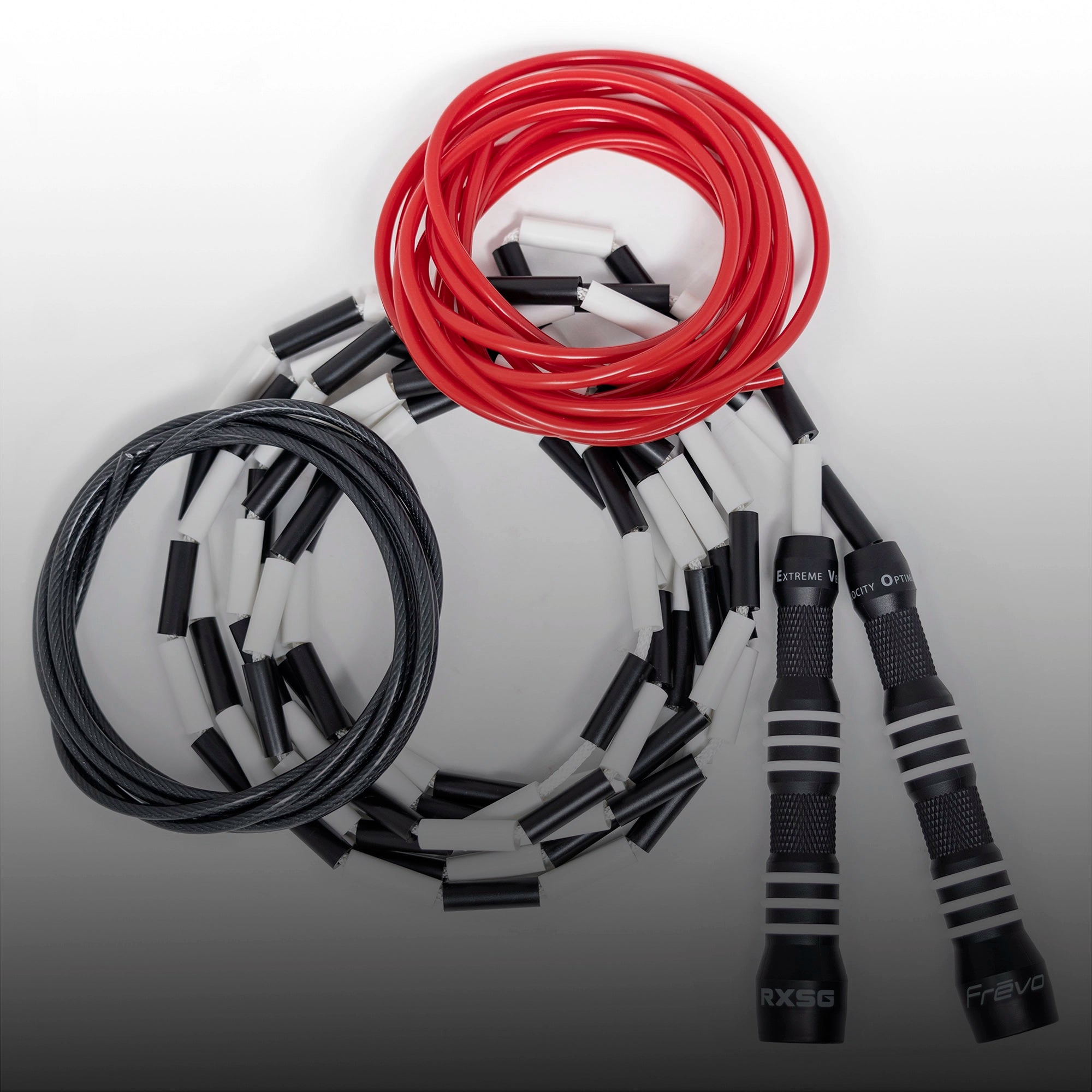
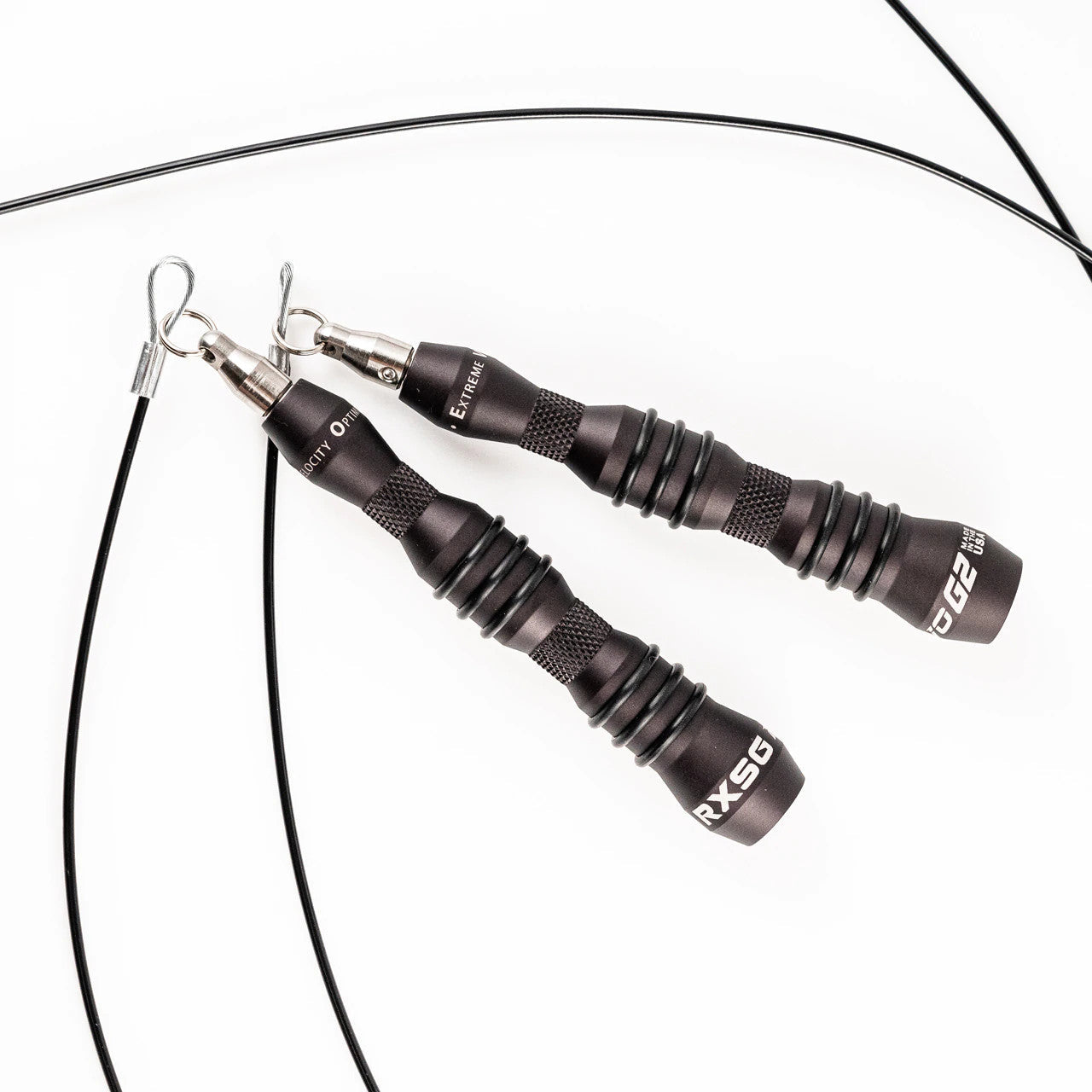
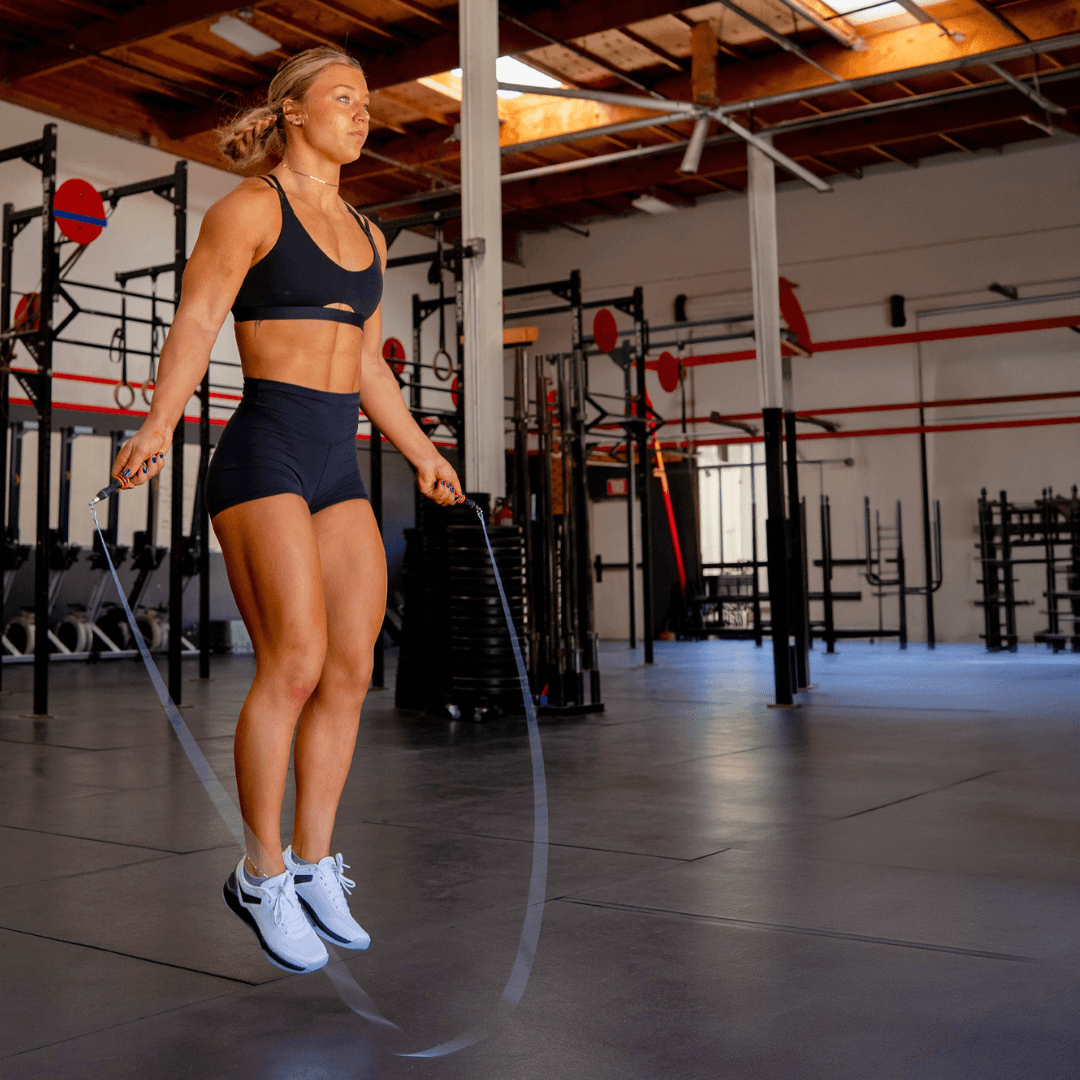
At Rx Smart Gear, we build ropes for athletes who take this seriously. Whether you're developing your first consistent sets of double-unders, training across multiple rope types to be ready for any competition specification, or chasing unbroken sets in a fatigued state at the end of a brutal chipper — there is a rope for that goal and a cable weight that matches where you are right now. The athletes who qualified for the CrossFit Games in Del Mar last weekend trained intentionally.
They used the right equipment. They put in the reps when they were tired, not just when they were fresh. They treated the jump rope as a skill — because in elite competition, that's exactly what it is.
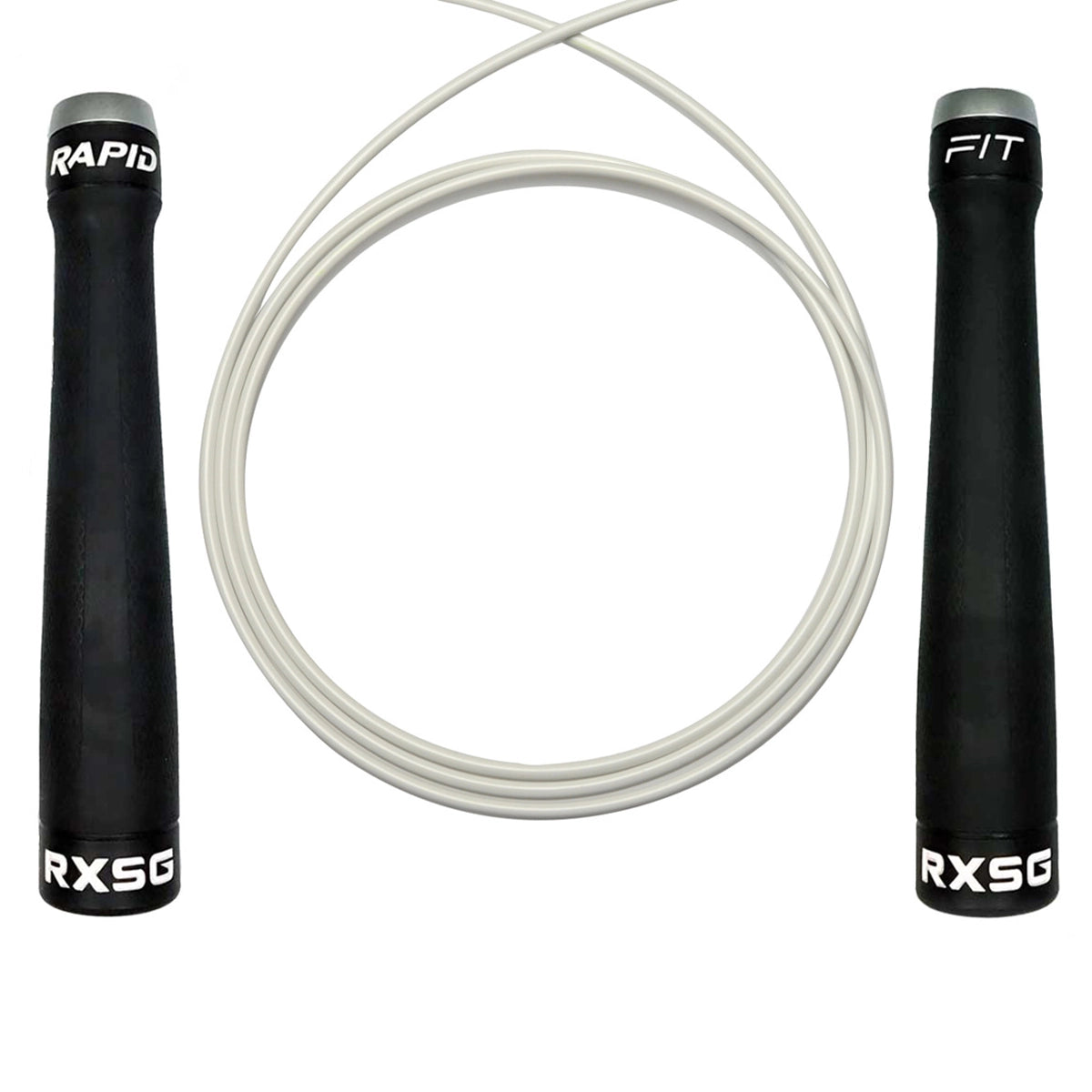
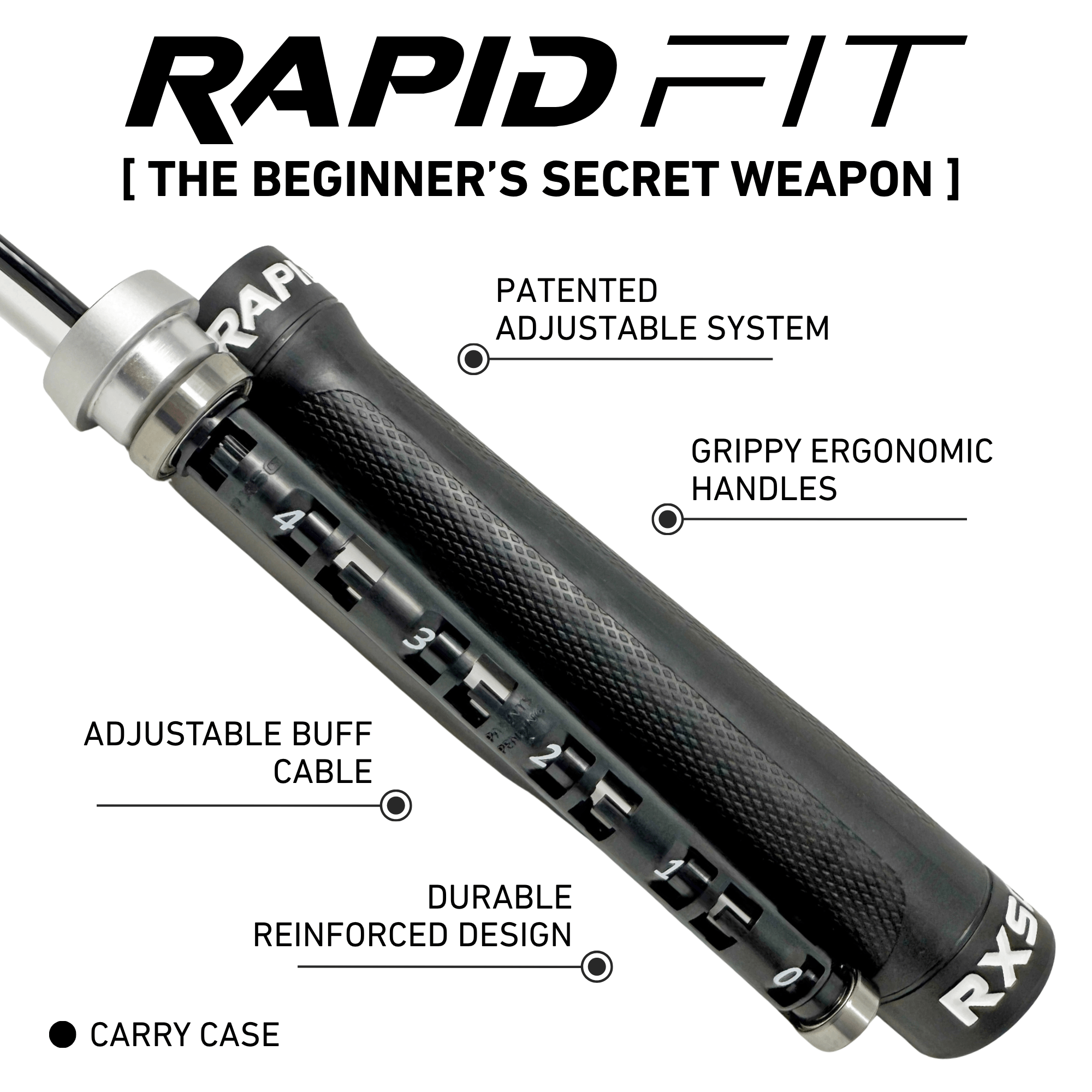
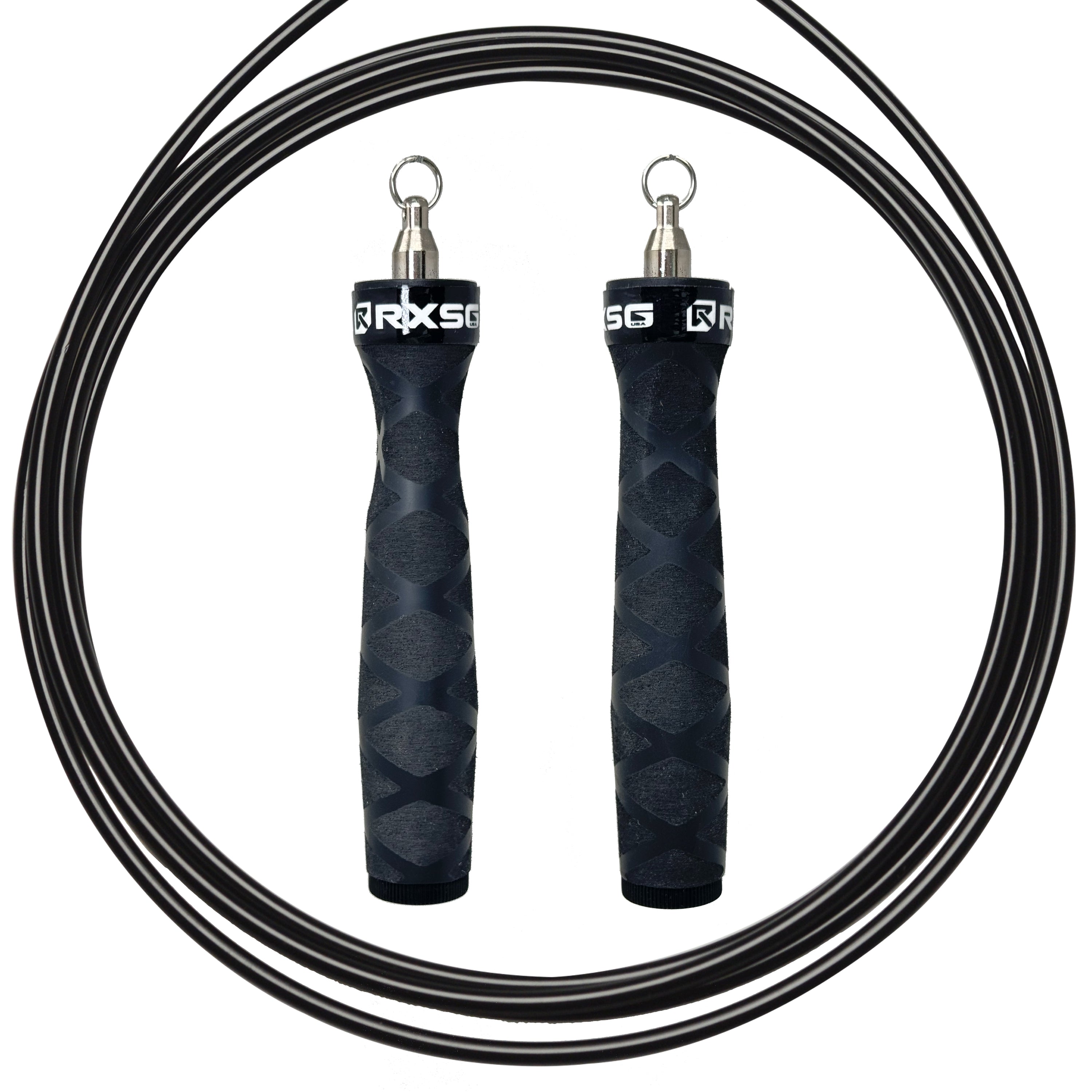
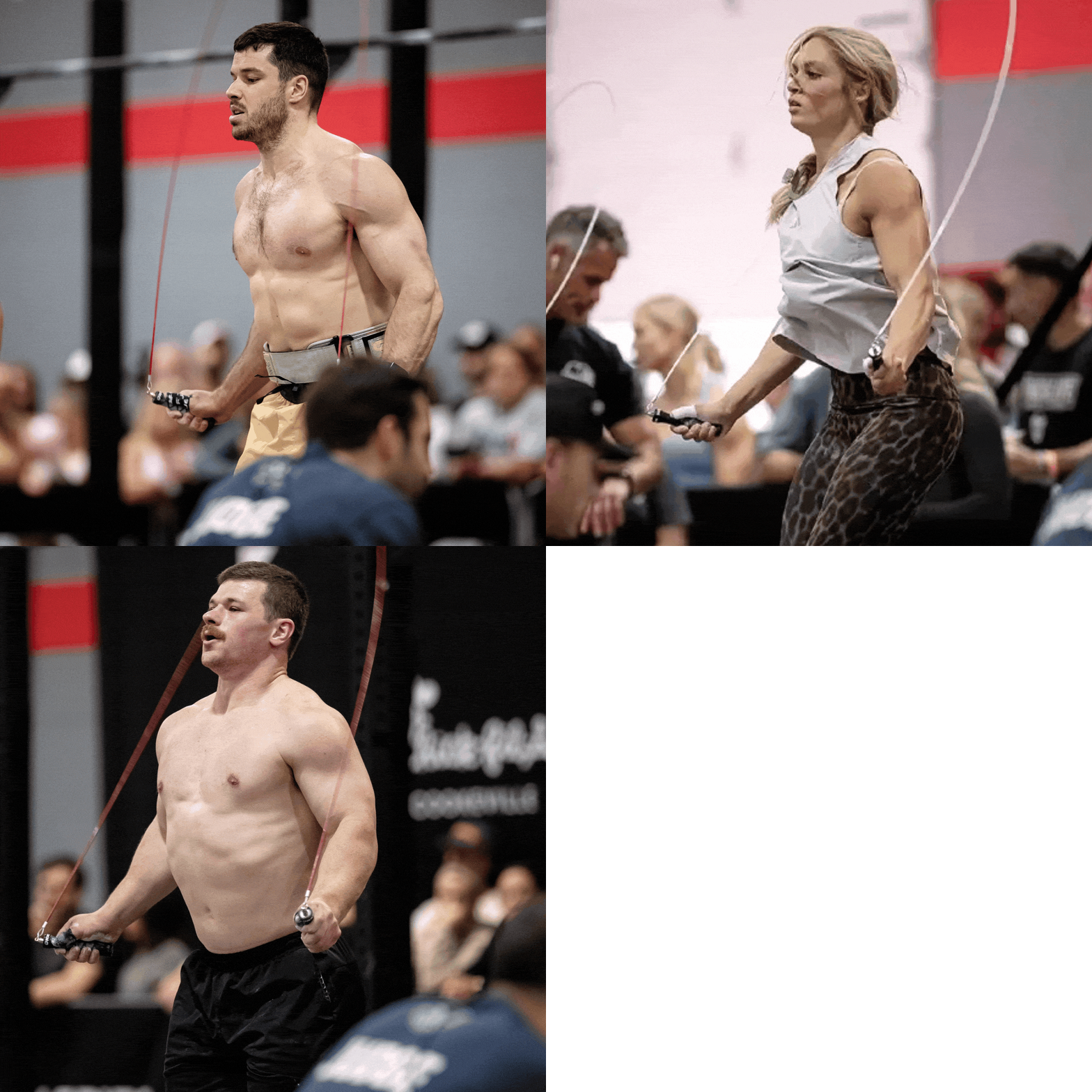

Dallin Pepper, James Sprague, Olivia Kerstetter, Abigail Domit, and every Masters qualifier who earned a ticket to San Jose put their standard on the board. Now it's your turn to see where you stand.
Pick up your rope. Do the work. The benchmark is right there.