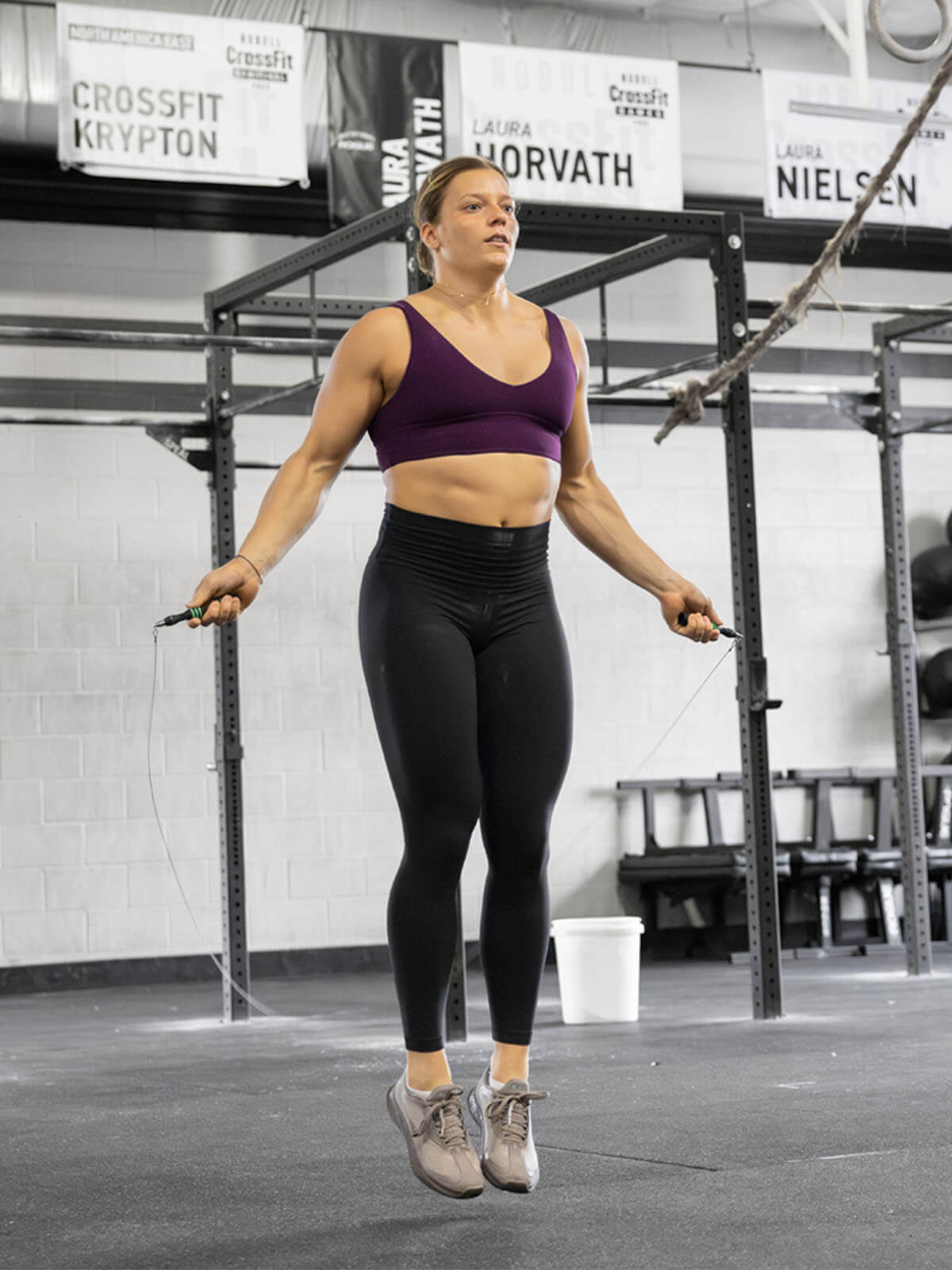
David Newman | Rx Smart Gear CEO & Expert Jump Rope Coach
Jump rope crossovers look fast, fluid, and impressive, but they are more than a flash of a trick.
They challenge your timing, coordination, agility, and body awareness. Whether you want your first single-under crossover or connected crossover double unders, success starts with sound technique, a step-by-step progression, and useful rope feedback.
That is precisely what the Rx Smart Gear crossover training method is designed to provide. Instead of repeatedly attempting the full skill and hoping it clicks, you learn how to build it from the ground up. Pair the FREVO Freestyle Jump Rope with the Rx Crossover Double Under Digital Tutorial, and you have both the training tool and coaching roadmap needed to practice with purpose.
Begin wth the Correct Jump Rope
The rope you choose can make learning easy or unnecessarily frustrating. A crossover rope needs to give enough feedback to sense each rotation but also move predictably through smooth transitions.
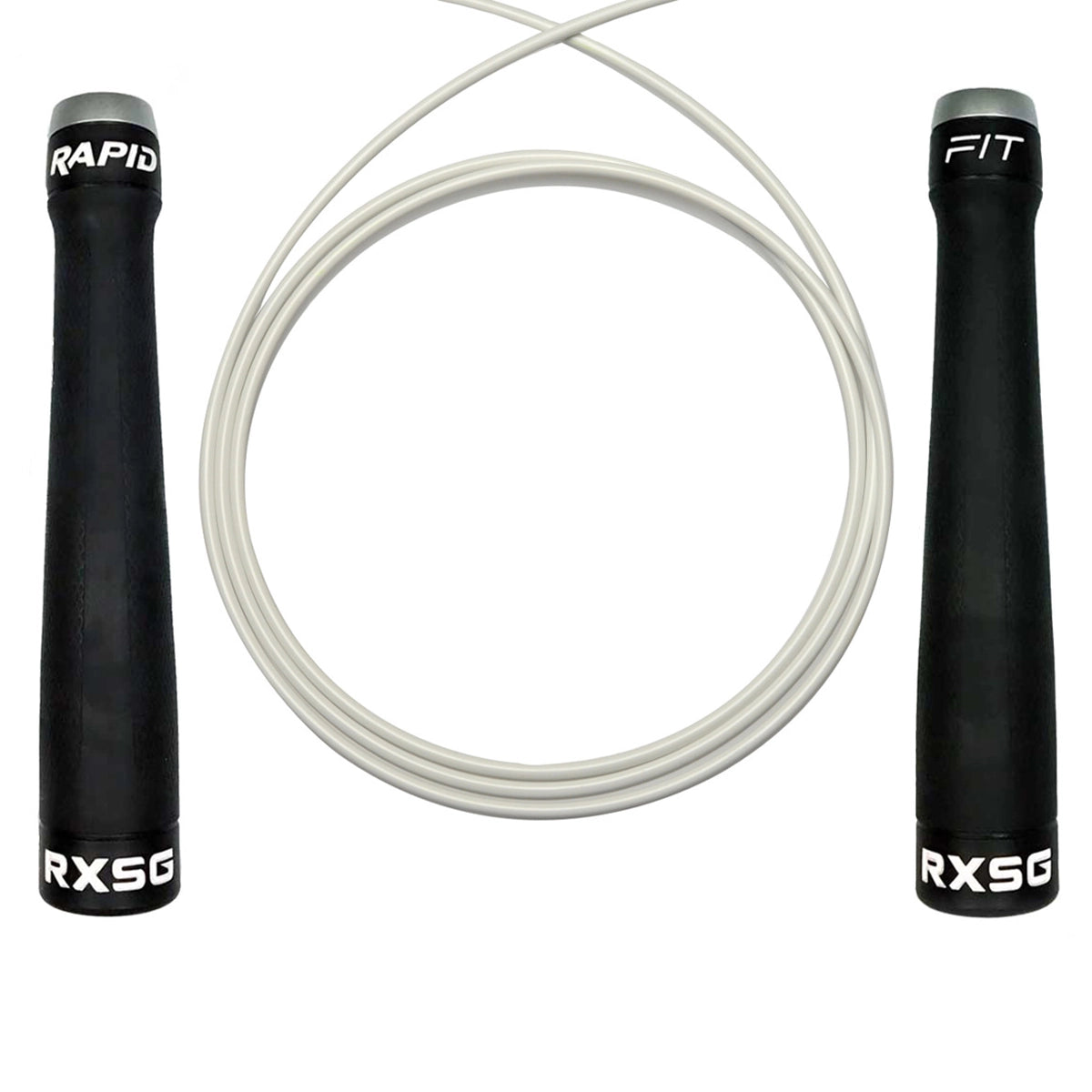
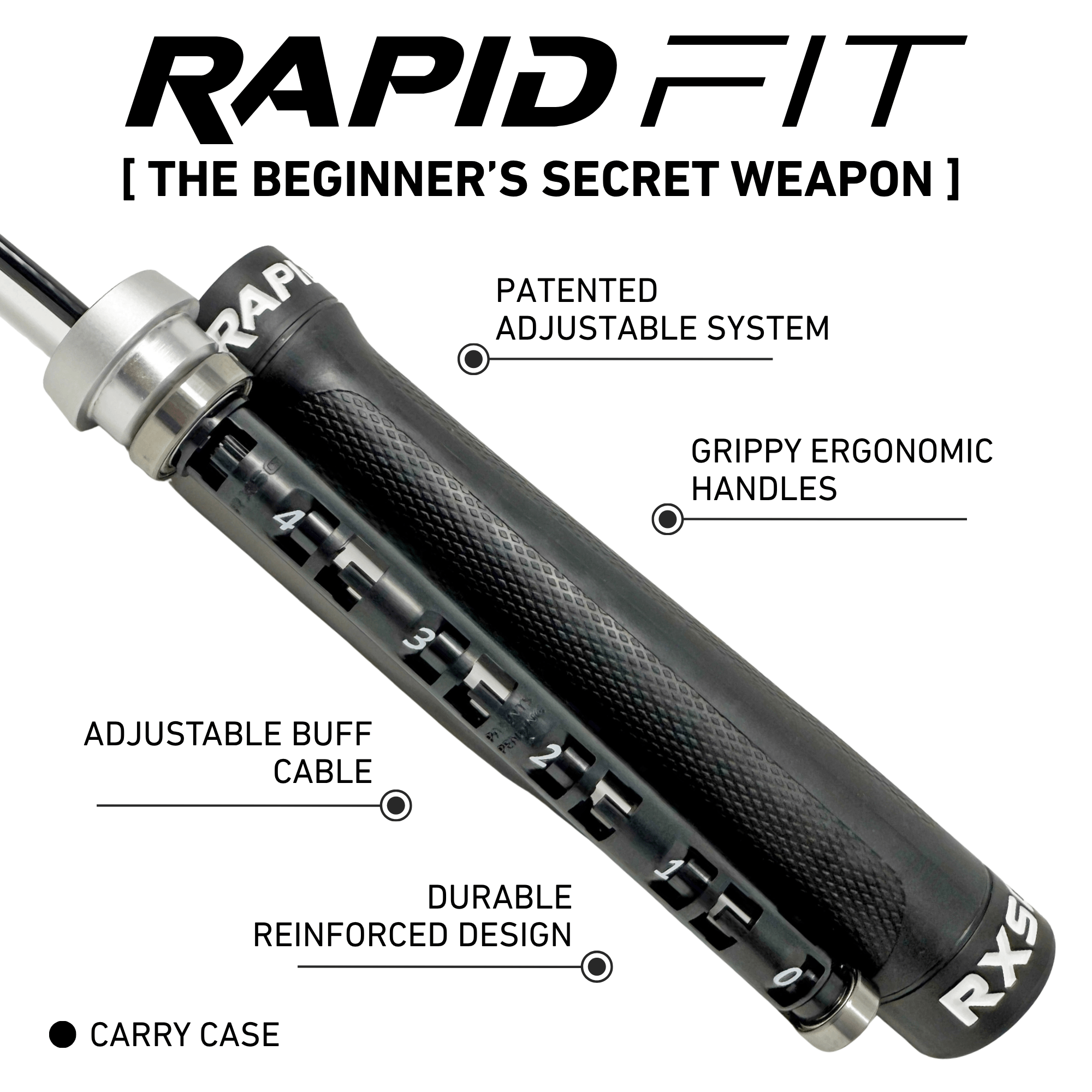
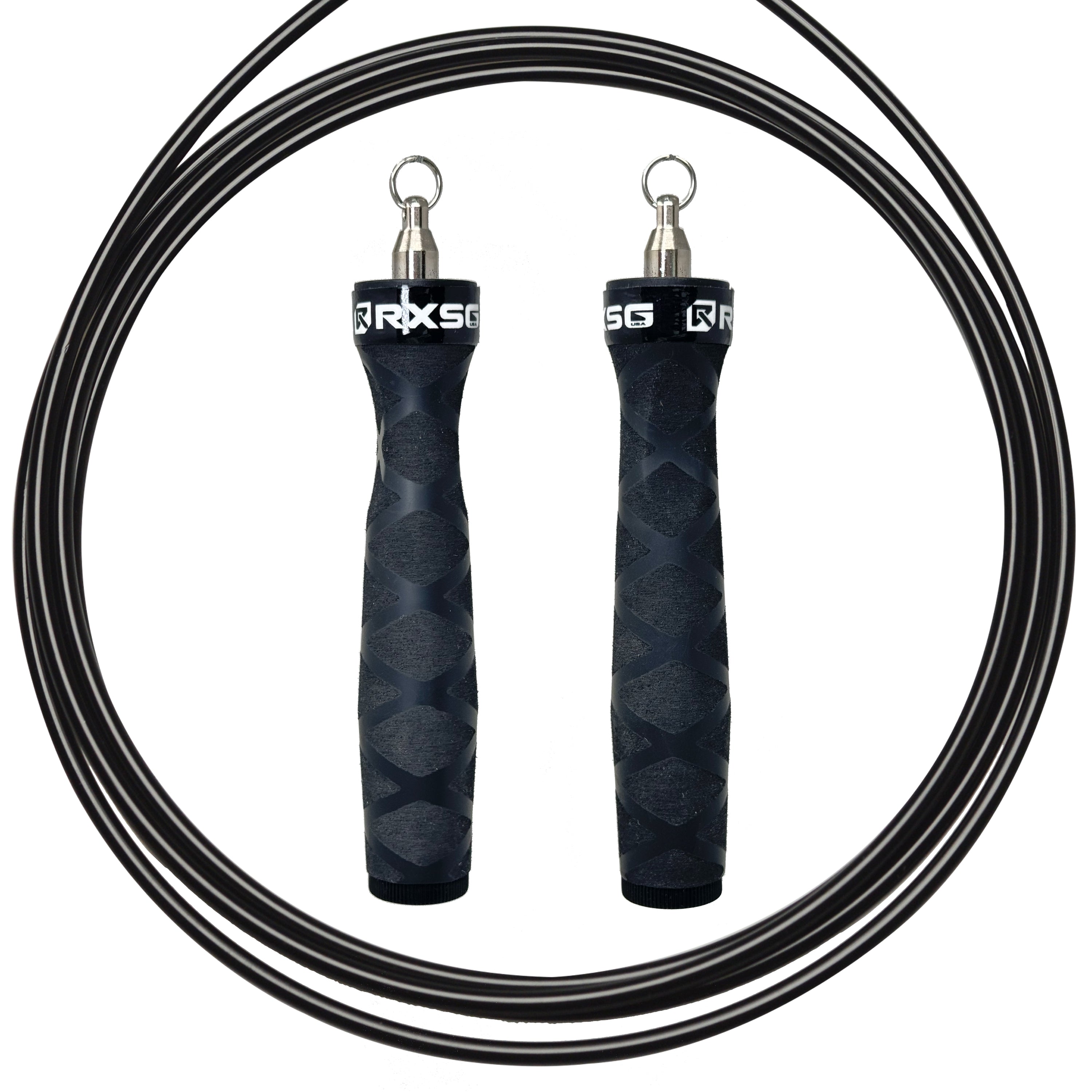
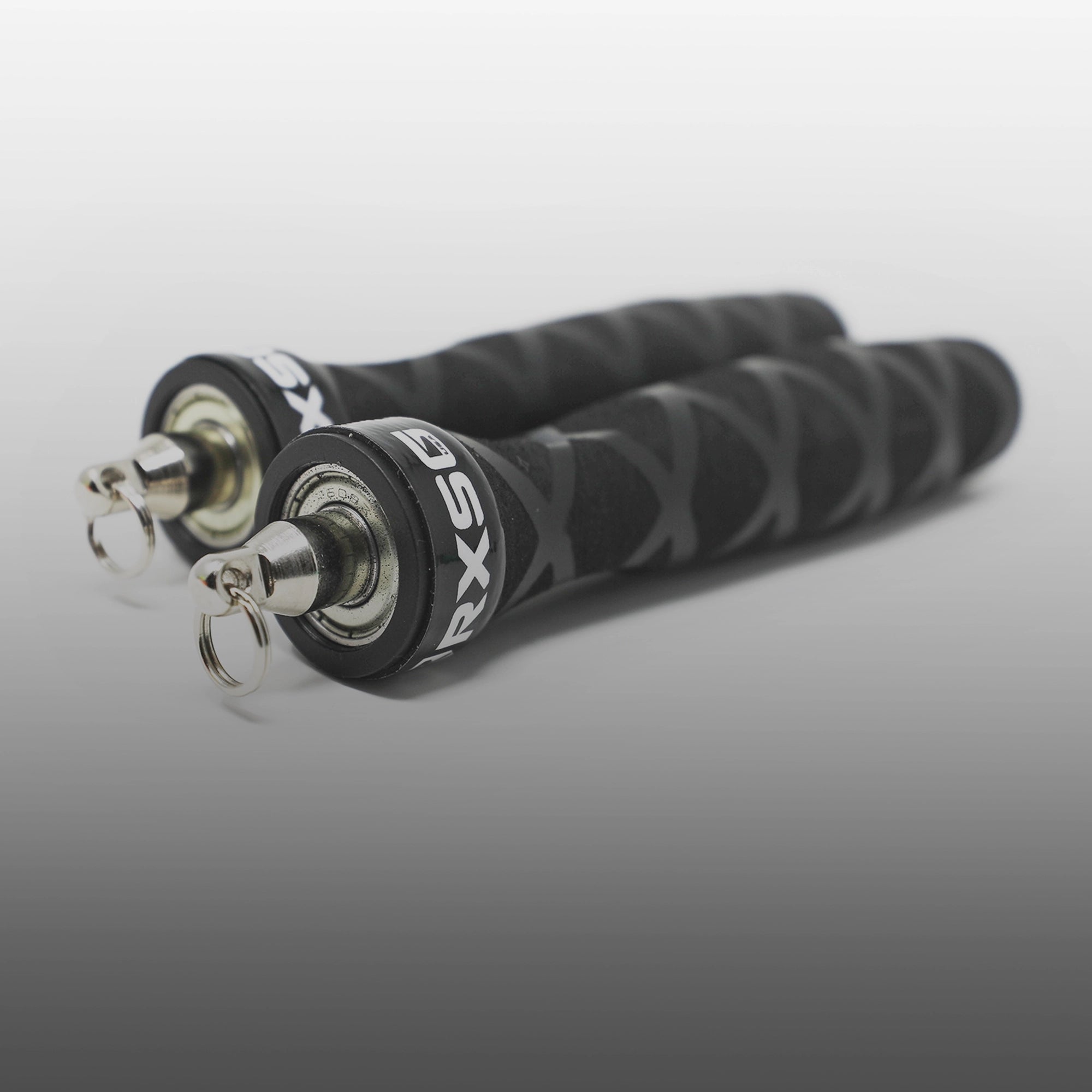
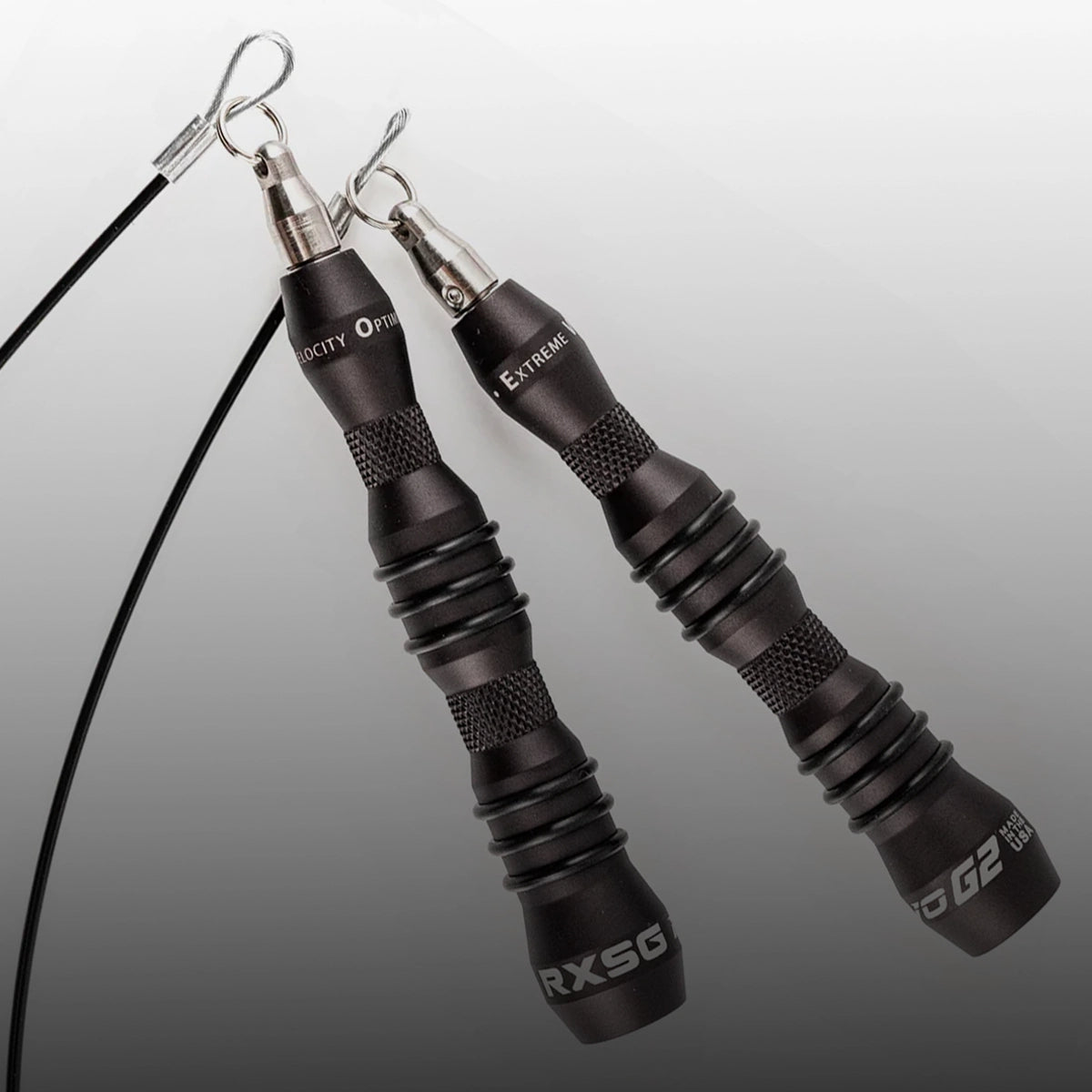
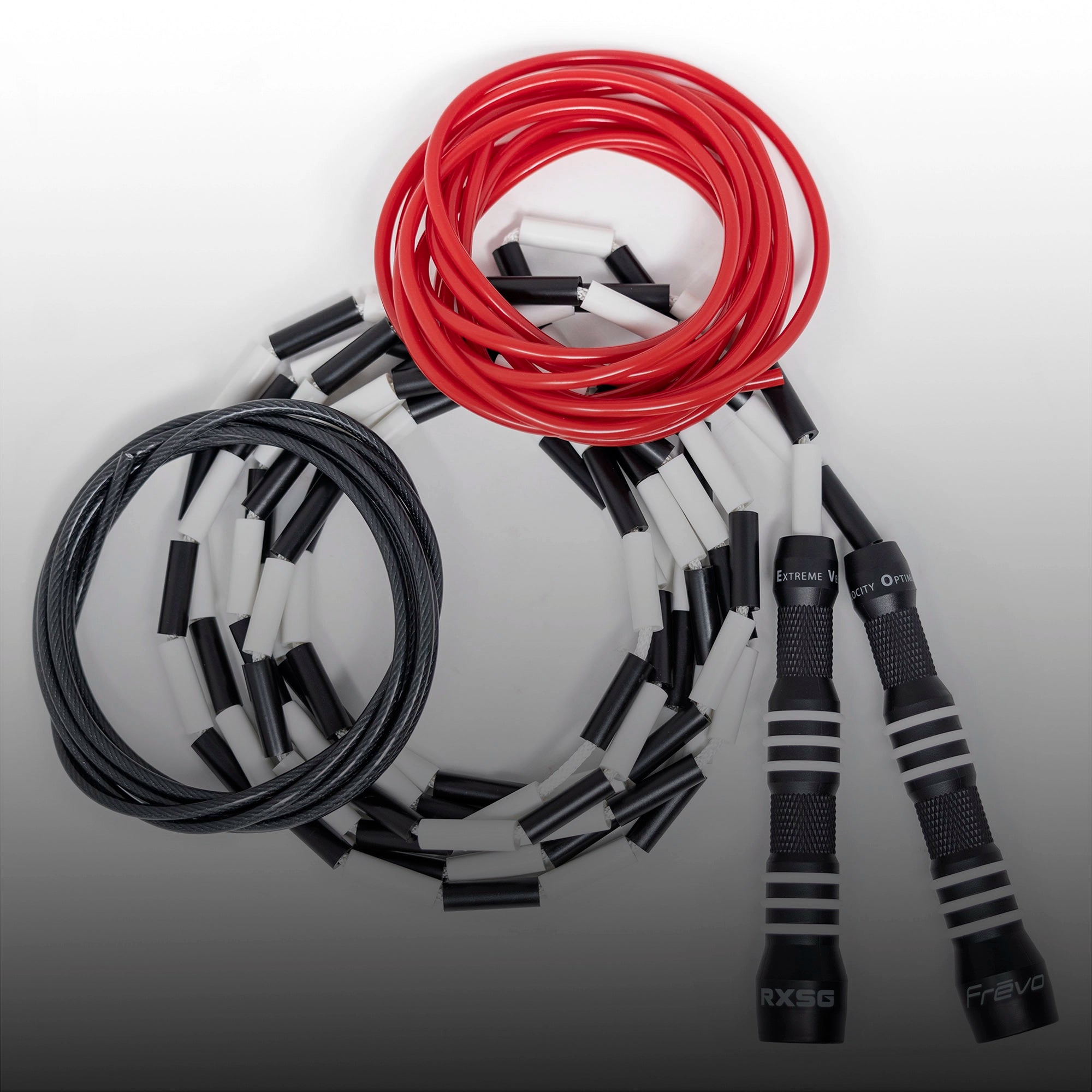
The FREVO Freestyle Jump Rope is used for technical movements such as crossovers and side swings. It includes three interchangeable cord options: a beaded rope, a 3-ounce coated fitness cable, and a 4.5 mm freestyle PVC cord. Each arrives at a 10-foot length so you can adjust it at home to fit your body and technique. The beaded rope makes an excellent introduction for beginners. The added resistance provides clear feedback and slows the rotation enough to get the timing of the cross. As your mechanics improve, progress to the fitness cable and then the PVC freestyle cord for faster, smoother combinations.
Textured pinch points and silicone traction bands give you a solid grip, and the FREVO’s feather-light tapered handles make for easy transitions.
Made from impact-resistant polypropylene polymer, the handles are built for repeated skill practice. With three cords and a custom zipper carry case, the FREVO can evolve with your training.
Shop Athletes' Top Picks


Get Your Rope Length Right
Under the Rx Method sizing guideline, when you stand on the center of the rope with one foot, the rope ends should not extend beyond the bottom of your sternum. A little extra length can provide room for error, but too much slack can cause erratic arm movement. Keep your hands just outside your hip crease and aim for the rope to contact the floor about one shoe length in front of your toes. The FREVO's adjustability lets you refine the length for your body and technique.
Build the Correct Crossover Position
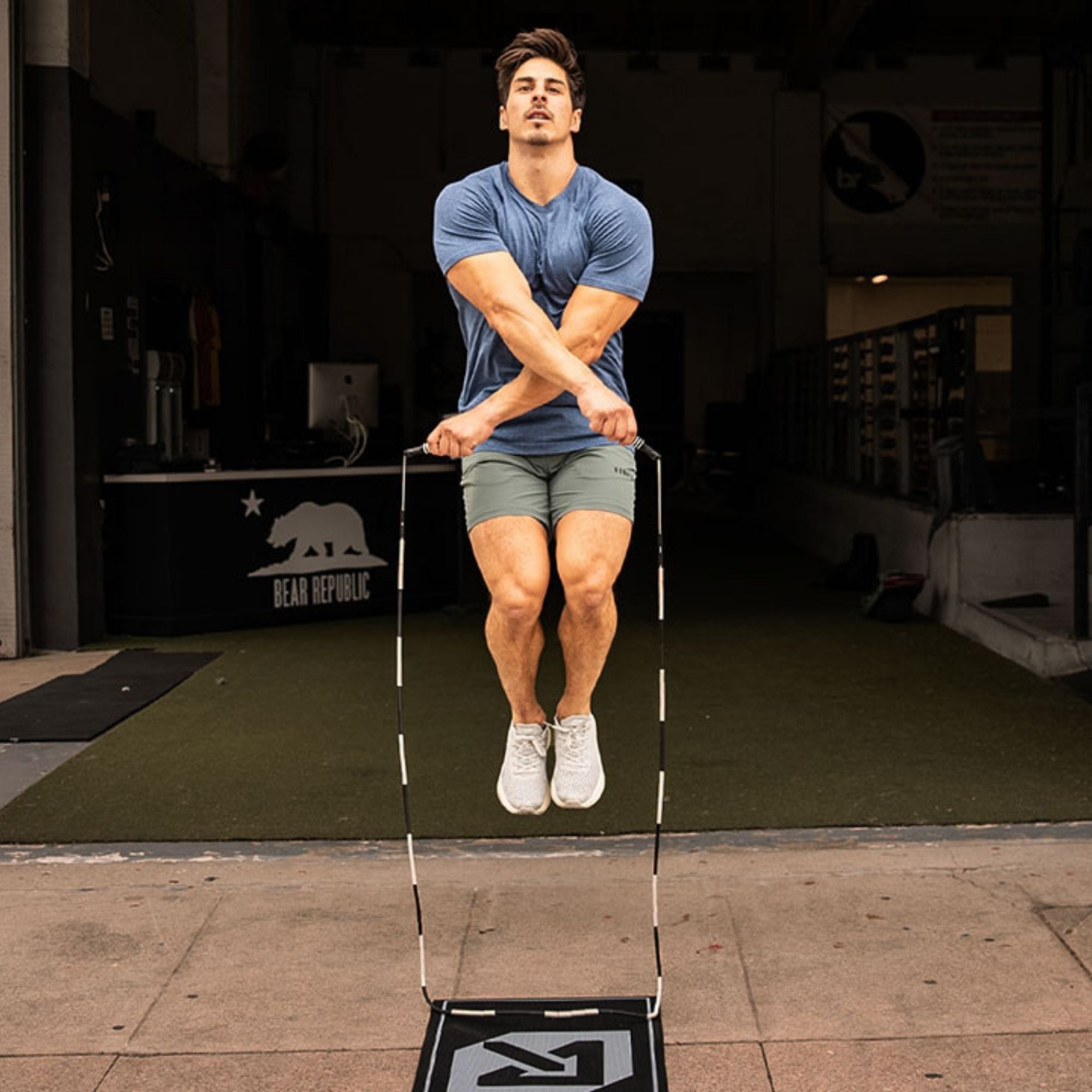
Clean crossovers come from compact, deliberate arm movement.
As the rope passes overhead, point the handles slightly downward to help create clearance beneath your feet.
Cross your forearms low in front of your pelvis, keeping them stacked and close to your body.
Your hands should reach beyond your hips so the rope has enough room to clear your shoulders.
Pulling your hips slightly back into a hollow-body position creates a clearer path for your arms.
When you return to the open position, keep your hands near your hips instead of throwing them wide.
A useful cue is to point your elbows back as you uncross. Before jumping, rehearse smooth figure-eight patterns with rotational trainers or two short ropes.
Keep your elbows in and reach your hands to the ground on the cross.

Use a Tried-and-True Crossover Progression
Once you have the feel of the arm pattern, build the skill in stages.
Start with 10 crossover toe catches.
Drop the rope over your head, cross your arms low and tight, and catch it under your toes.
Look down at your finishing position and see that your hands are low, level, and near your body.
Then do 10 crossover hop-throughs, followed by a toe catch. Jump through the crossed rope, return to the open position, and catch the next rotation beneath your toes. This teaches you to uncross with control instead of flaring your hands outward.
Then connect alternating single unders and crossover singles: open, cross, open, and cross. Try to make light rope contact with the floor on every rotation.
After that, practice a two-open, two-cross pattern. Remaining crossed for consecutive rotations develops coordination and confidence in the crossover position.
These drills may seem simple, but they establish the movement quality you need before adding the speed and airtime of double unders.
Progress to Crossover Double Unders
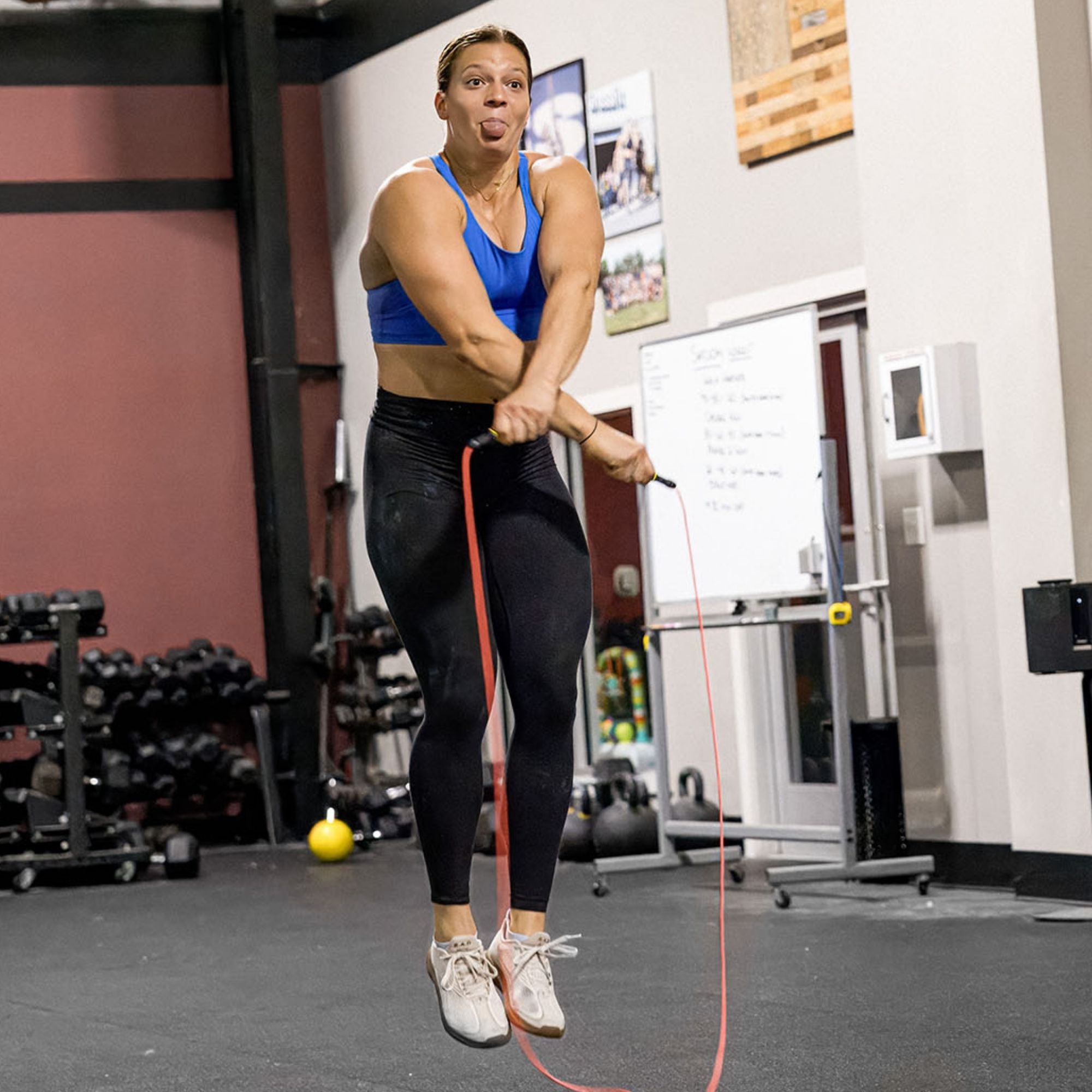
A crossover double under still requires the rope to pass beneath your feet twice during one jump; the difference is that your arms cross during one of those rotations.
The three main variations are: Open/Cross, Cross/Open, and Cross/Cross.
Open/Cross is generally the best version to learn first because you can create a strong jump during the open rotation and focus on crossing before you land.
Begin by working on one Open/Cross double and finishing with a toe catch. Wait until the rope moves below your knees, make a tall jump, and drive the bottom arm fully across your body.
When individual repetitions feel controlled, perform two low, quick single unders followed by one Open/Cross double with a taller, floating jump.
Next, replace the singles with two standard double unders. Finally, connect two standard doubles with two Open/Cross doubles, then gradually add crossover repetitions without sacrificing technique.
Fix the Three Most Common Crossover Faults
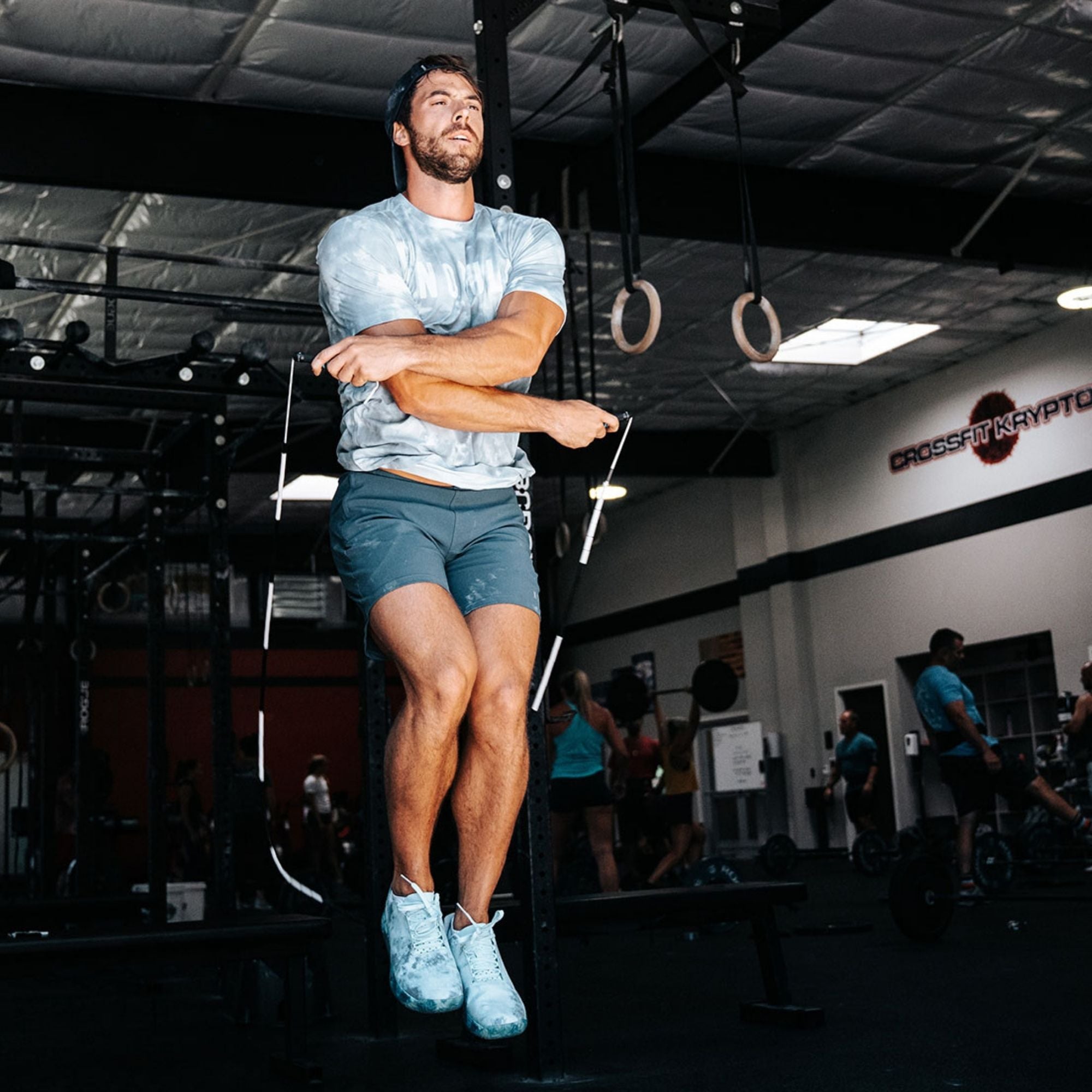
If the rope repeatedly catches your feet, look first at your arm position.
The first fault is keeping your hands too far from your body, which reduces foot clearance.
The second is crossing near your shoulders and pulling the rope into your feet.
The third is throwing your hands wide while uncrossing and abruptly changing the rope's path.
The solution is to stay compact: cross low, keep your forearms close, reach the handles past your hips, and return your hands directly to their normal position.
Film several attempts to check your actual arm position.

Laura's Double Cross Challenge
Turn Instruction Into Progress
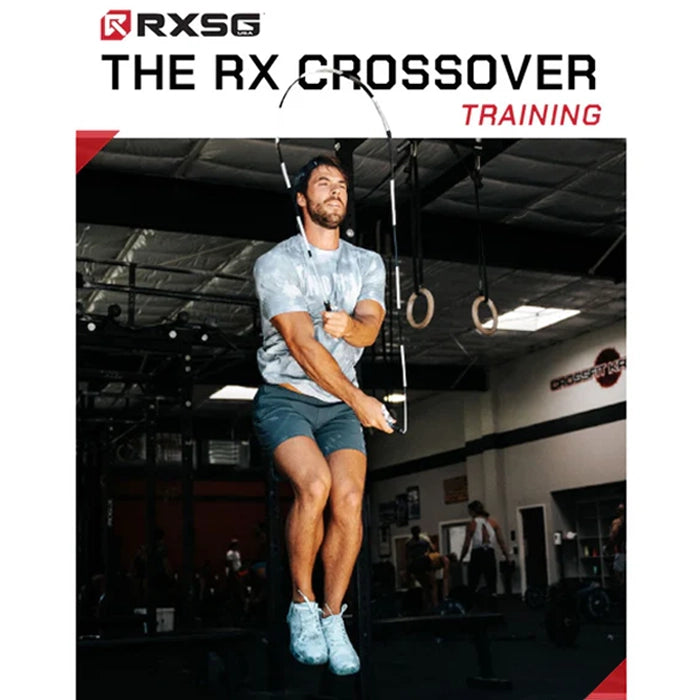
The Rx Crossover Double Under Digital Tutorial combines downloadable video instruction with a PDF covering rope selection, sizing, positioning, technique, common mistakes, progressions, and challenges. It gives you a repeatable plan to revisit whenever a fault appears.
For best results, train crossovers two or three days per week while your body adapts to the volume. Prioritize quality over quantity, stop when fatigue begins to change your form, and celebrate clean repetitions rather than chasing a high count too soon.
Ready to stop guessing and start progressing? Get the FREVO Freestyle Jump Rope for adjustable, responsive training and add the Rx Crossover Double Under Digital Tutorial for the complete coaching system. When purchased together, the tutorial is currently offered at 40% off.
With the right rope in your hands and a proven progression to follow, your first crossover—and your next level of jump rope training—are closer than you think.
Get Started with the Right Tools