

David Newman | CEO & Founder, Rx Smart Gear
Jump rope workouts are a staple for any fitness enthusiast, athlete, or anyone looking to improve their endurance, cardiovascular health, and coordination.
While indoor jump rope training can be more gentle on equipment, many people prefer the freedom of working out outdoors, whether on their driveway, sidewalk, or concrete courts. However, concrete surfaces are extremely tough on jump ropes, leading to quicker wear and tear. This, unfortunately, can shorten the lifespan of the rope, and that’s the last thing you want. You also don’t want to make your jump rope a hazard and cause any injury to yourself.
With the arrival of spring and the opportunity it brings to take your jump rope outside again, it is the perfect time to review seasonal maintenance strategies for your jump rope, helping you to train longer and more safely, without constantly replacing your gear.
To help you, here are some top tips to extend the life of your jump rope.
Understanding the challenges of concrete training
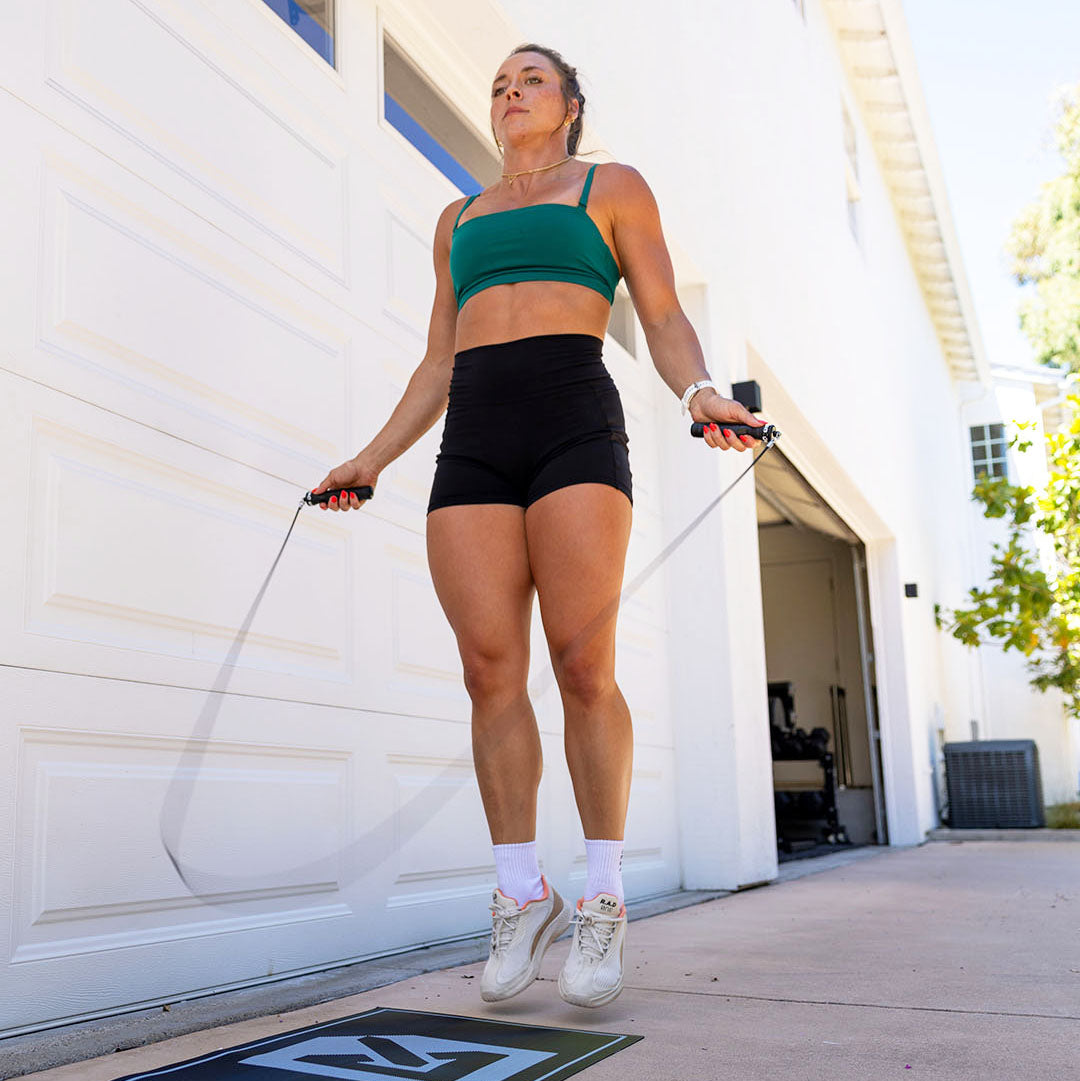
Concrete is one of the hardest surfaces for jump rope training, but it is the most commonly used as it is ideal for the activity. Unfortunately, it has an abrasive texture that can quickly fray ropes, chip handles, and damage bearings in speed ropes. Unlike gym floors or rubber mats, concrete doesn’t provide cushioning, which means your rope makes constant contact with a rough surface. Over time, this leads to several common issues:
1. Rope Fraying:
PVC or Nylon ropes scrape against concrete, causing fibres to break down. The more fraying occurs, the more likely the rope will snap during a session.
2. Handle damage:
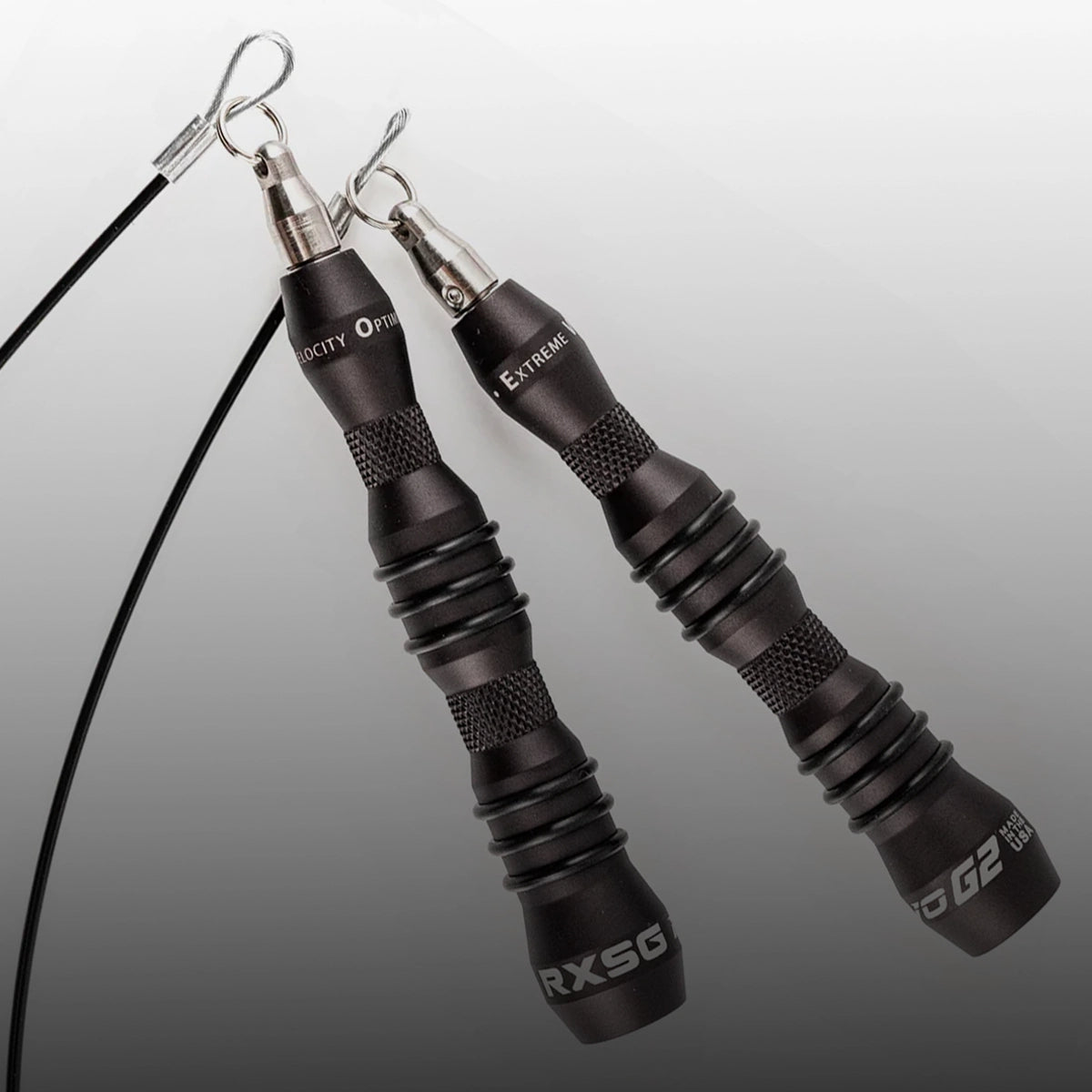
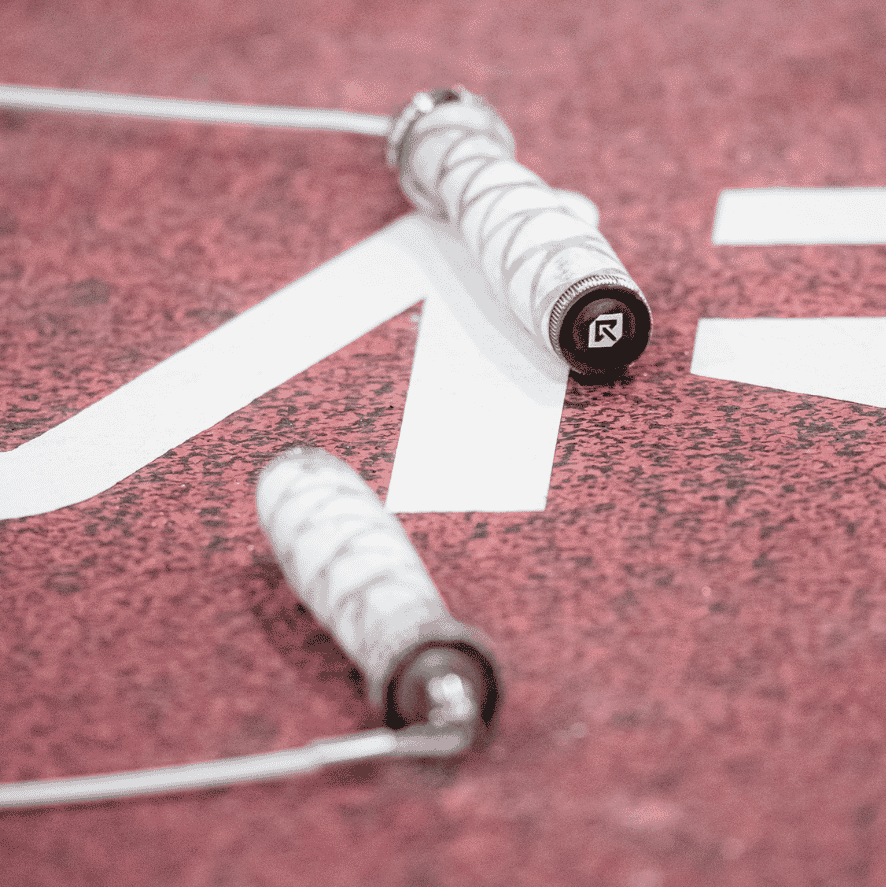
It is very easy for handles of any material, even wood or weight handles, to scratch or chip when it accidentally gets dropped, or through moving it around when setting up your workout space. Even lightweight handles may sustain internal bearing damage over time.
3. Reduced smoothness:
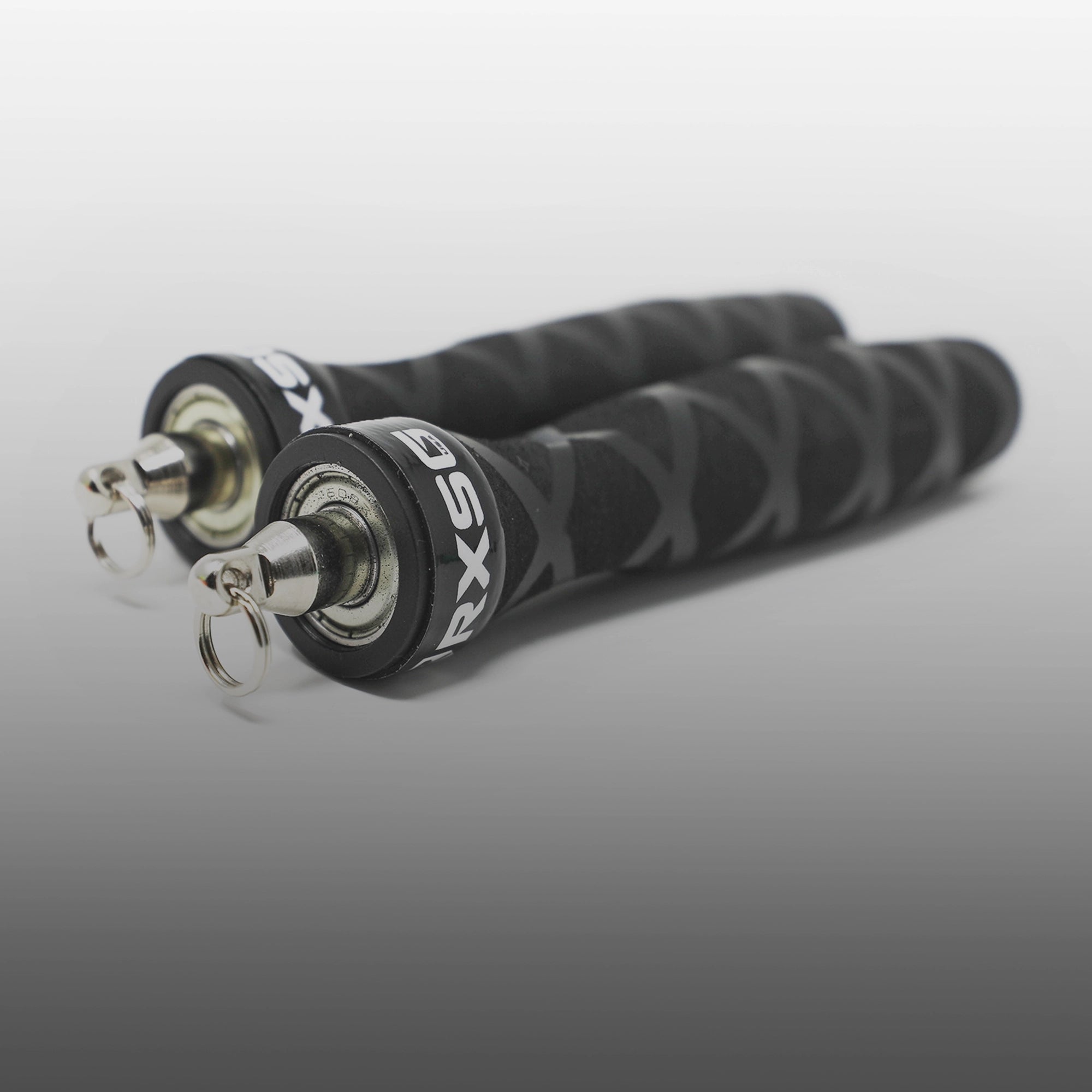
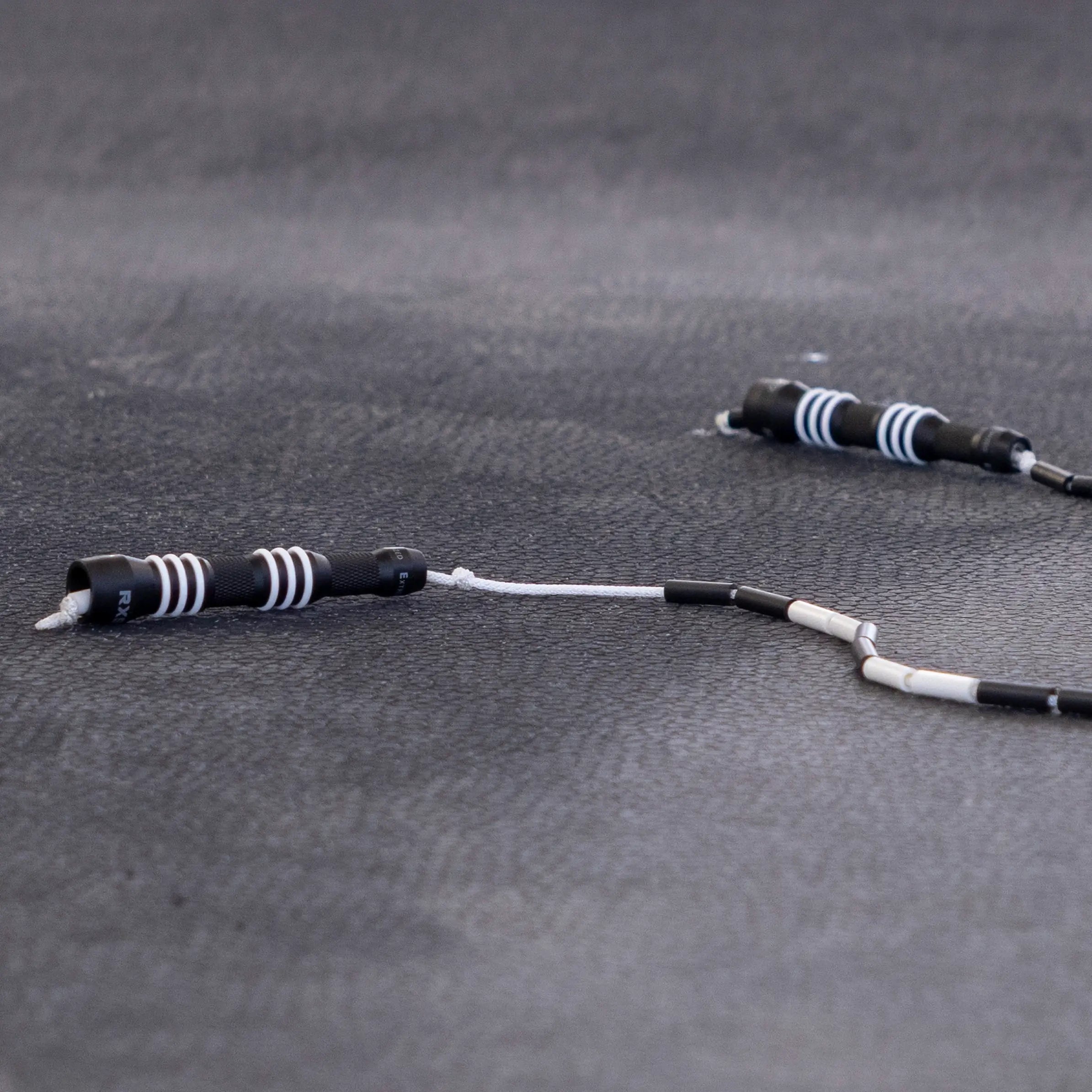
Bearings in speed ropes rely on smooth rotation. Concrete dust, grit, and debris can infiltrate bearings, reducing efficiency and making jumps less fluid.

4. Shortened lifespan:
Continuous use on abrasive surfaces can mean your jump ropes lifespan can be cut in half, in comparison to using it inside.
If you are able to recognize these challenges, you will be better aware and prepared to look after your jump rope and take the right precautions. With a few proactive steps, you can extend the lifespan of your jump rope while maintaining optimal performance.
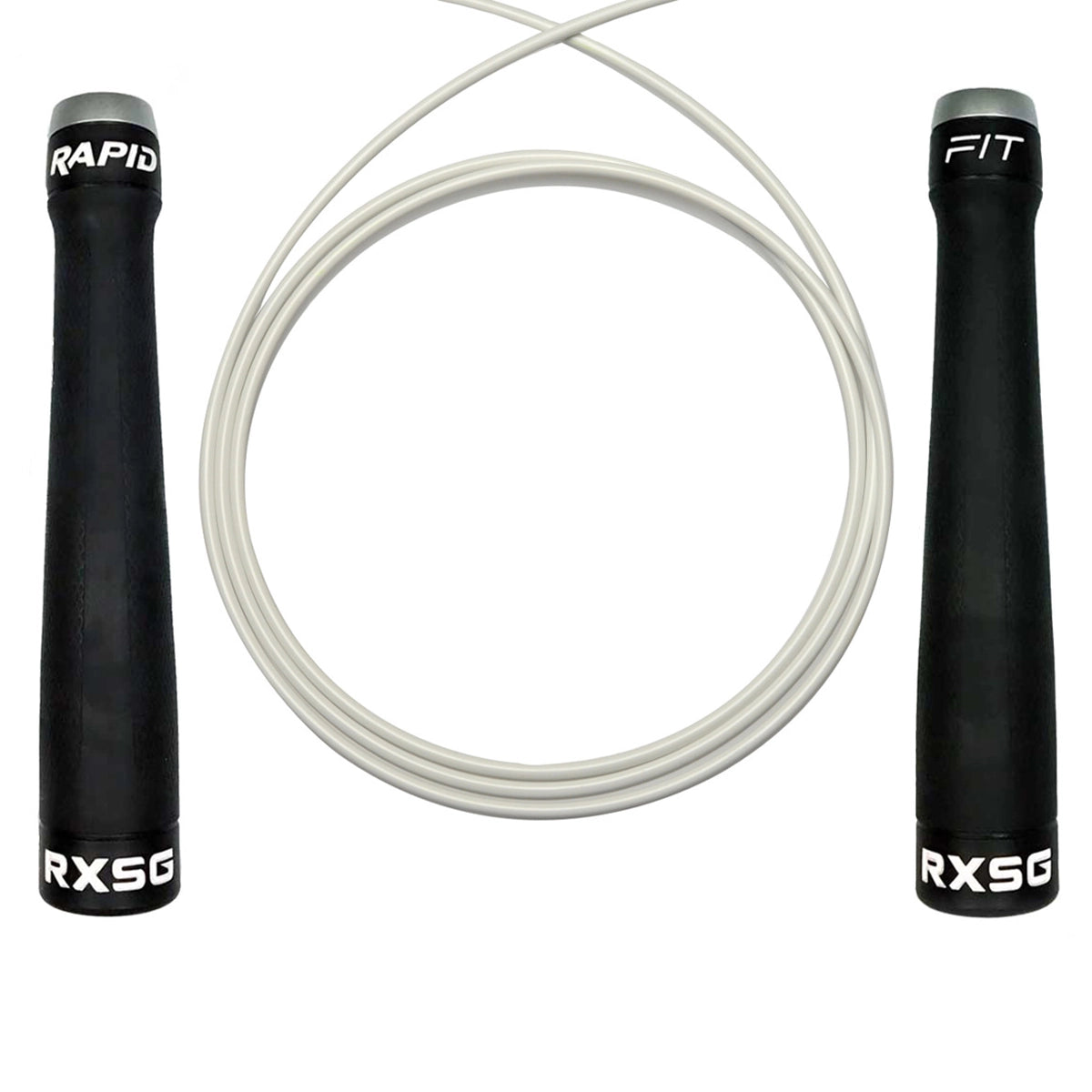
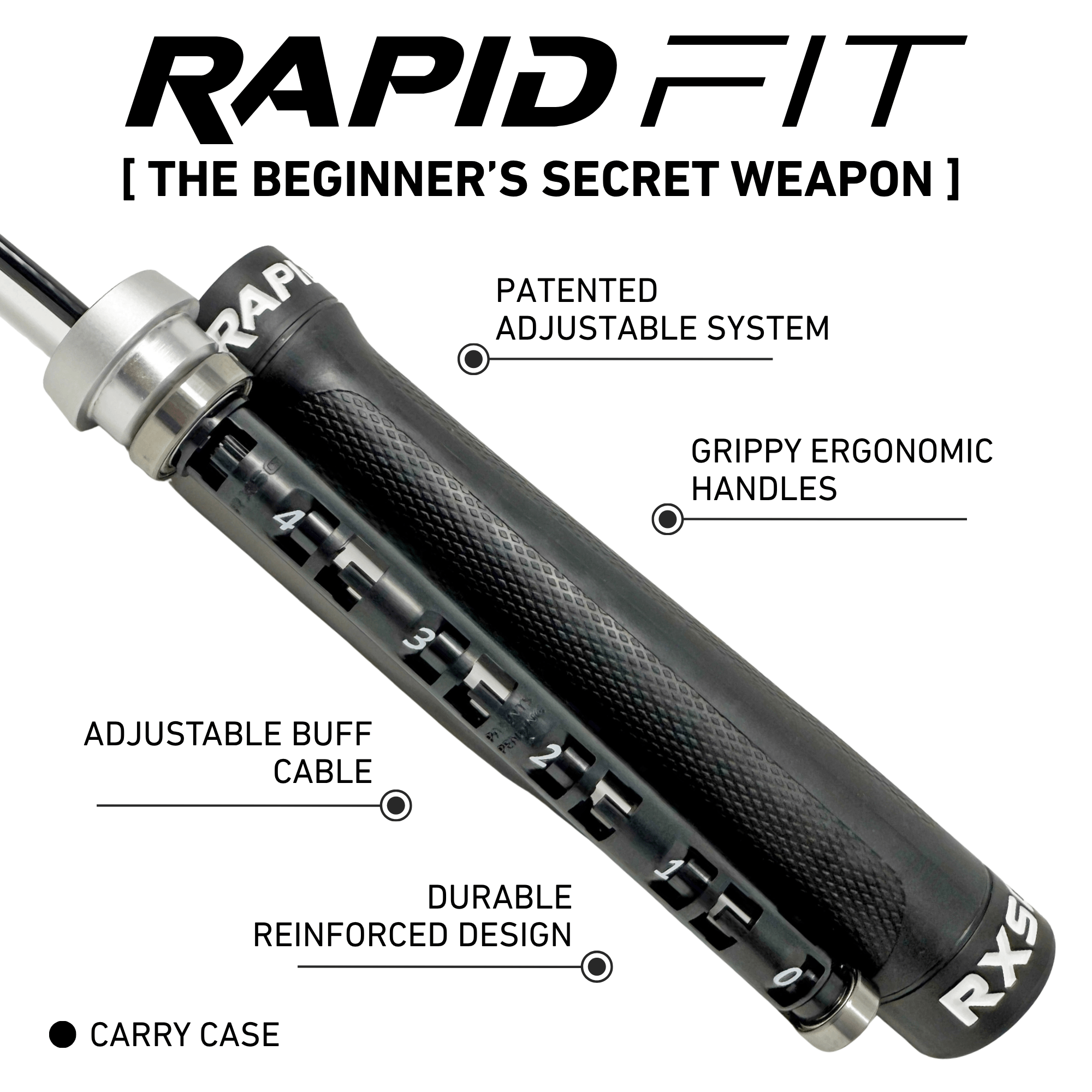
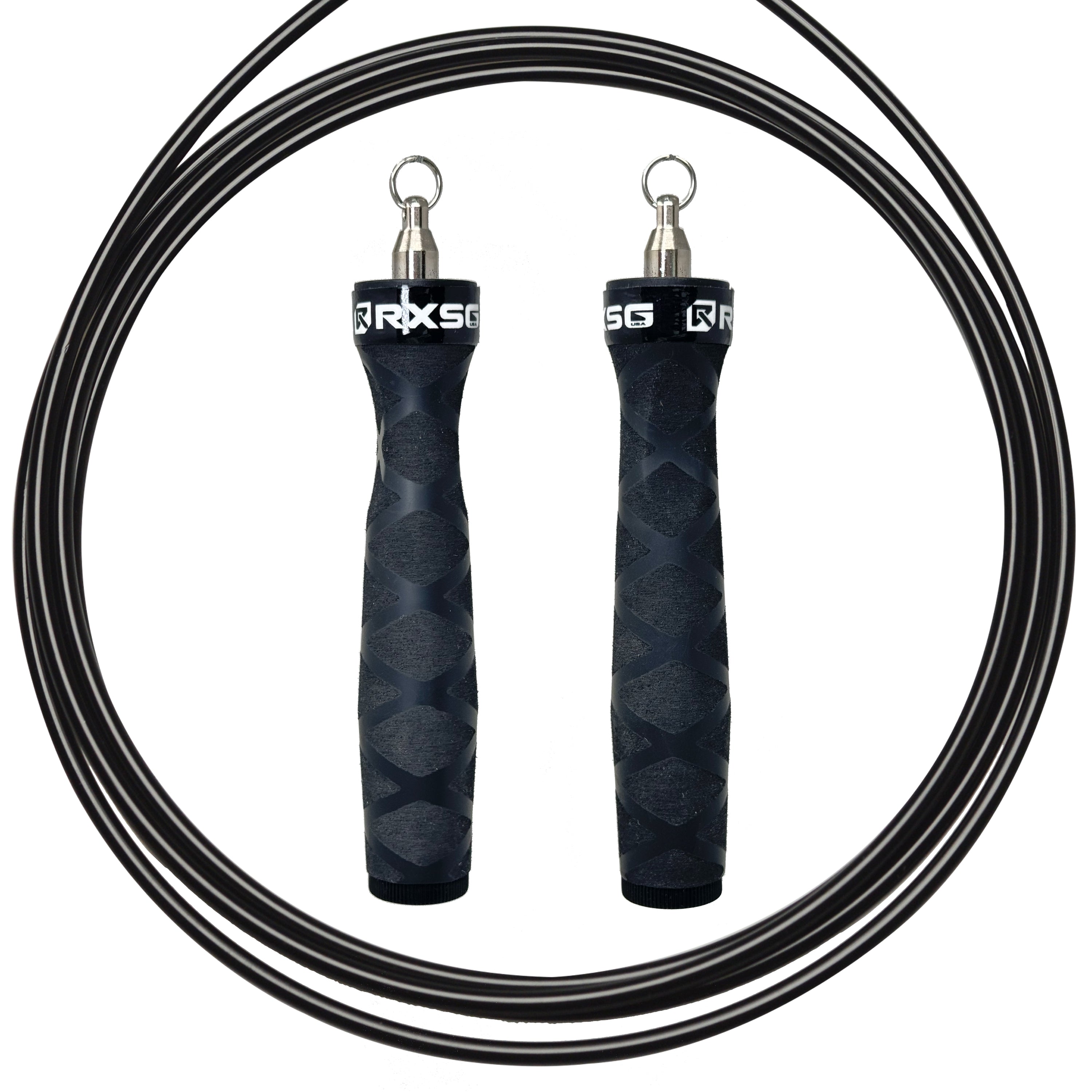






Spring is an excellent time to refresh your outdoor fitness equipment and enjoy using the outdoor space again. The weather isn’t too hot or too cold, making it the perfect conditions for a high intensity activity like skipping. To help you, here is a checklist for keeping your jump rope in top condition as you work

#1 Inspect your jump rope for damage
Take some time to examine your rope carefully before you start using it. Look for any kinks, weak spots, or fraying along the cable. Check the handles for cracks or loose fittings and rotate the rope slowly to ensure bearings move slowly.
#2 Keep your rope clean
While concrete might look smooth, it isn’t always clean. Debris, dust and pollen can easily and quickly accumulate on your rope, especially over the winter months. Wipe down your rope with a damp cloth, then allow it to air dry completely. For coated cables, a gentle soap solution can help remove grime. Avoid harsh chemicals that could degrade the rope’s materials. Use a Jumping Mat to extend the lifespane of your cable.
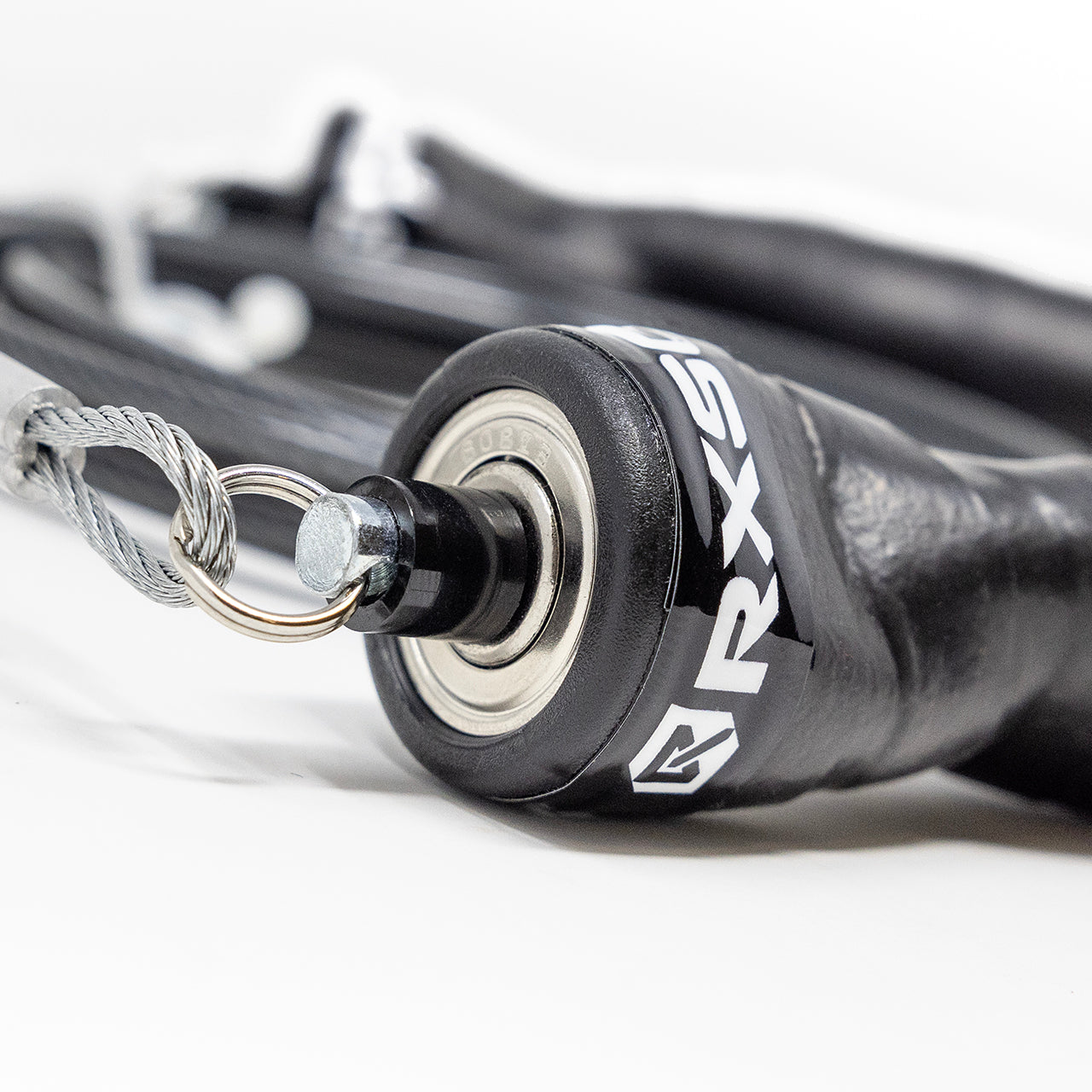
#3 Air clean the bearings
If your rope has ball bearings, then it is a good idea to use compressed air to clean them while rotating them repeatedly.

#4 Adjust the length of your rope
Make sure that the length of your rope is appropriate for you. This will ensure that you can maintain proper form while also using your rope correctly and maintaining its quality. Outdoor training can sometimes stretch or alter ropes, especially coated cables.
#5 Store your jump rope properly
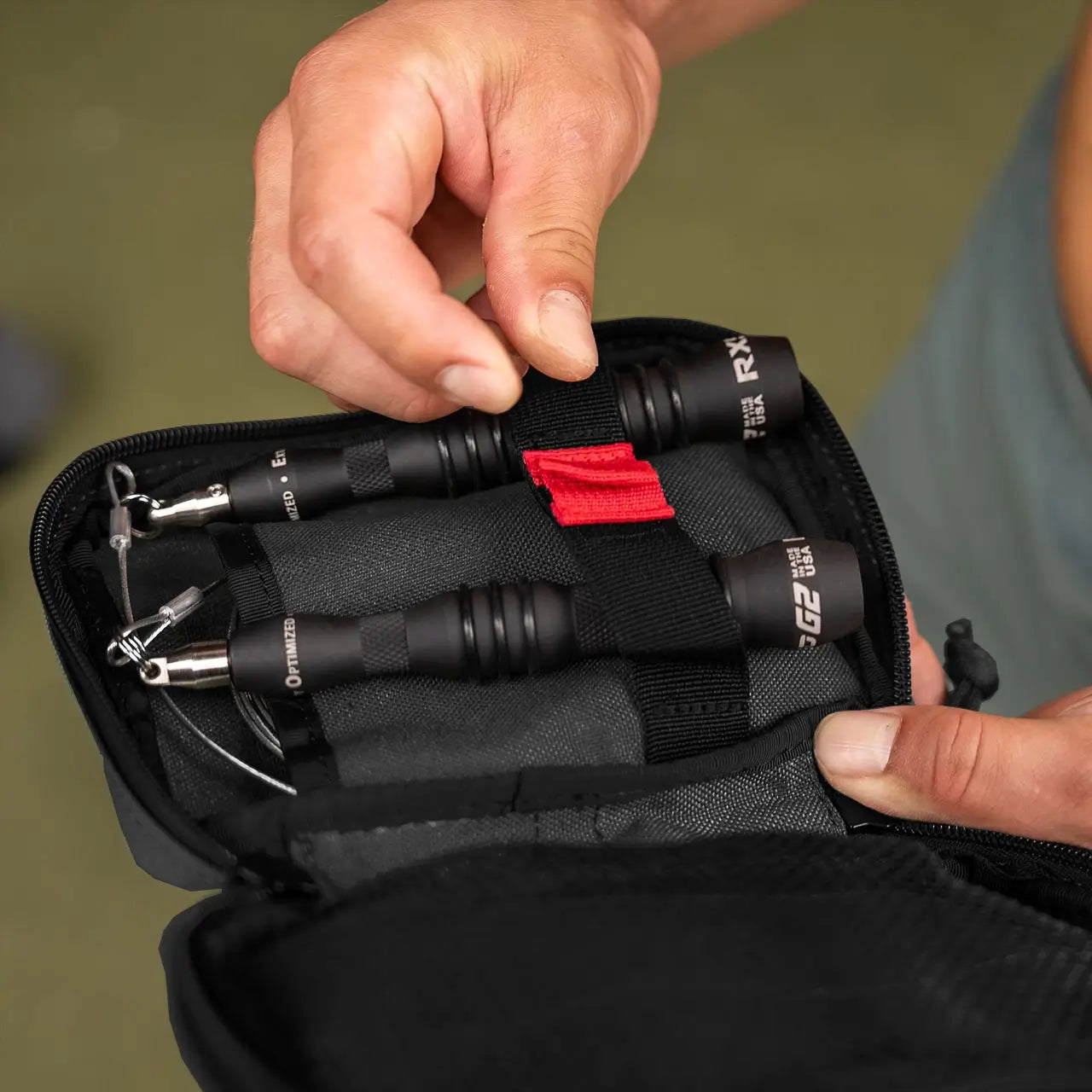
After you have finished training, make sure you store your rope indoors, away from damp conditions or direct sunlight. Coil the rope loosely to avoid kinks or stress on the cable. Don’t leave it on concrete for extended periods, as this can impact the material breakdown process and quicken it. It is very easy to just throw your jump rope in the corner or in your gym bag, but it will not help its lifespan if you do.
Learn how to properly coil your jump rope. This will depend on the type of material it is made of, but regardless, it should be twisted inwards to naturally make small circles.
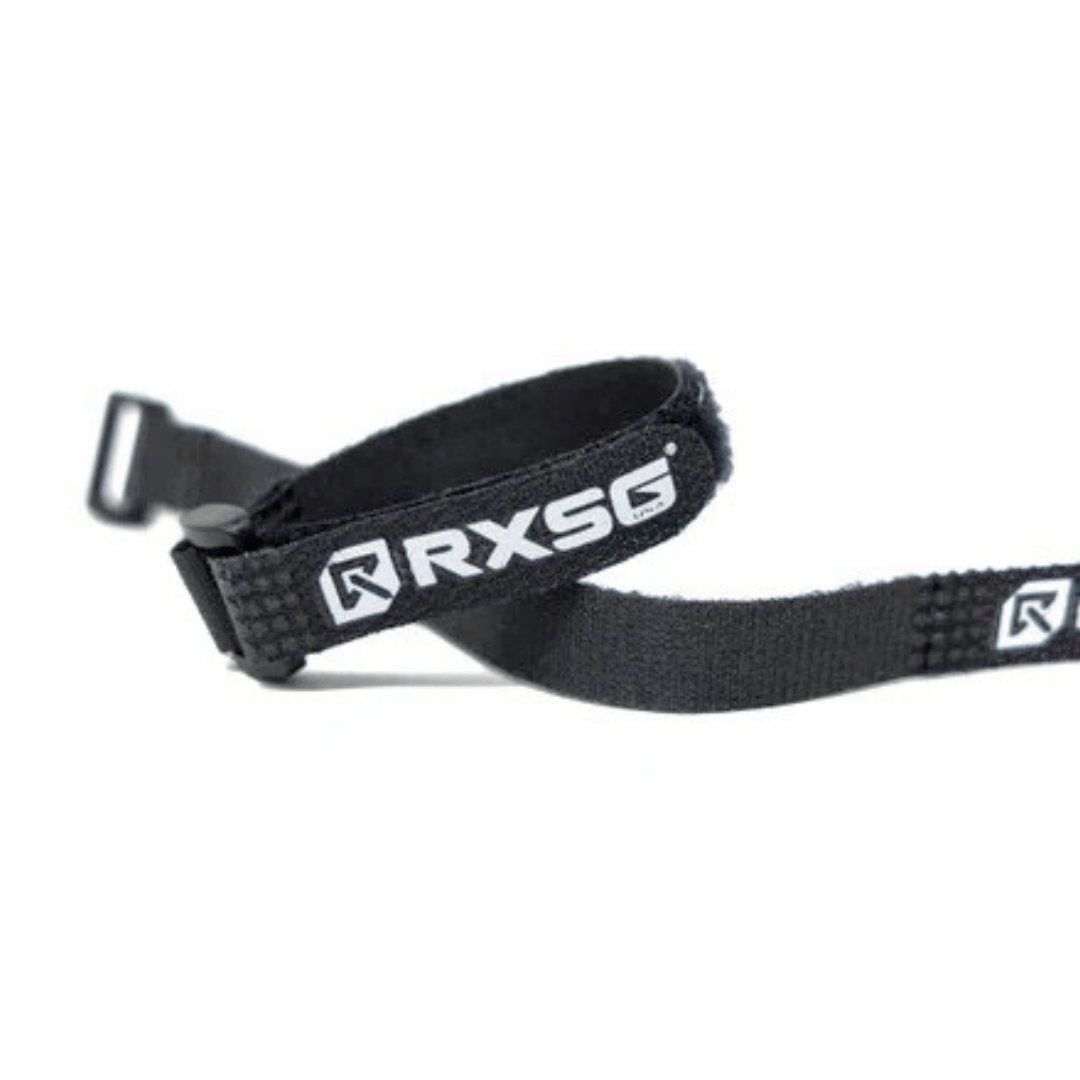
#6 Prevent your rope from fraying with ties
Ties are a great accessory for your jump rope. If you have a jump rope made of cable, there is a risk that it might fray. Cable ties can easily be placed around the coiled cable to store it and prevent damage.
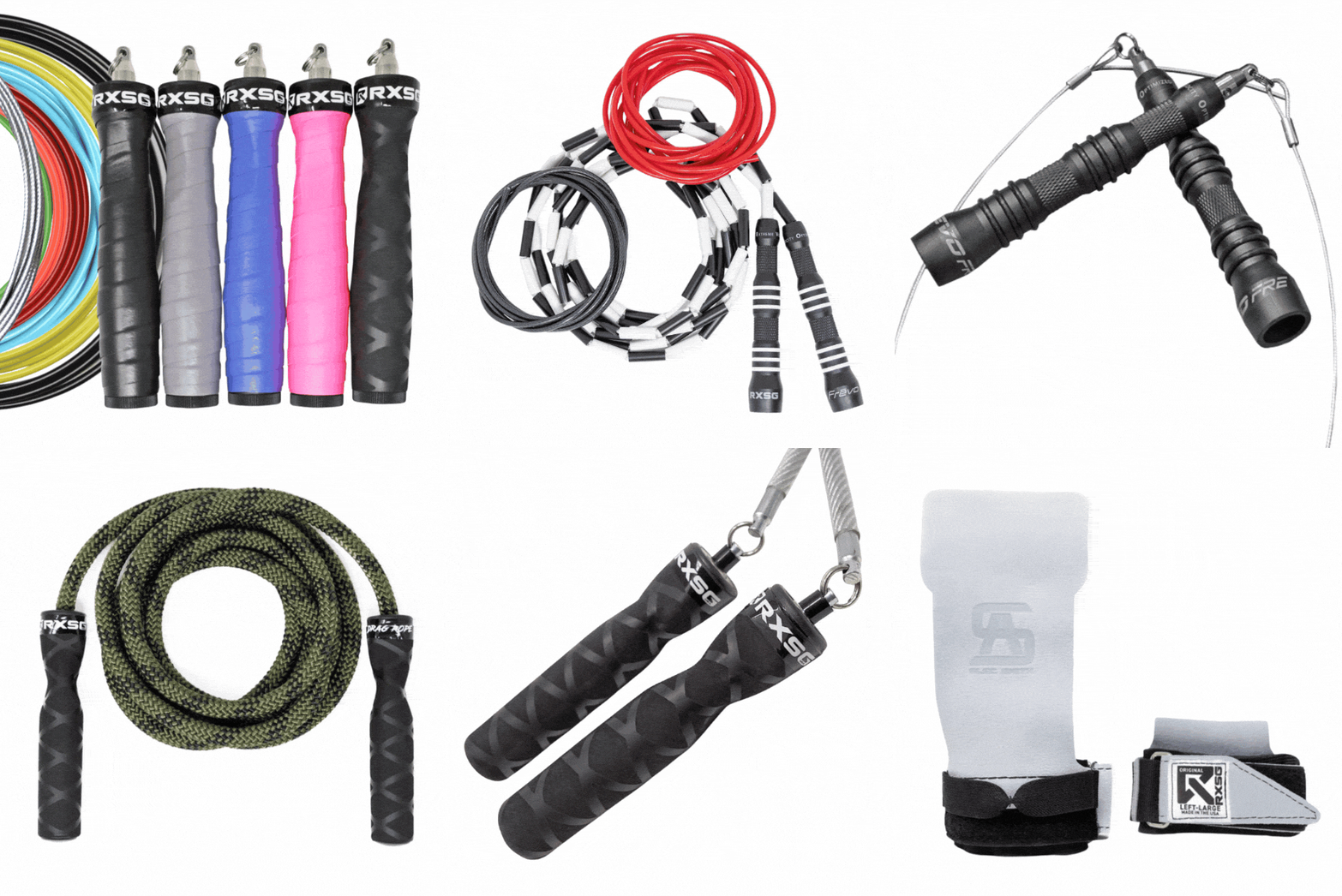
#7 Choose the right jump rope
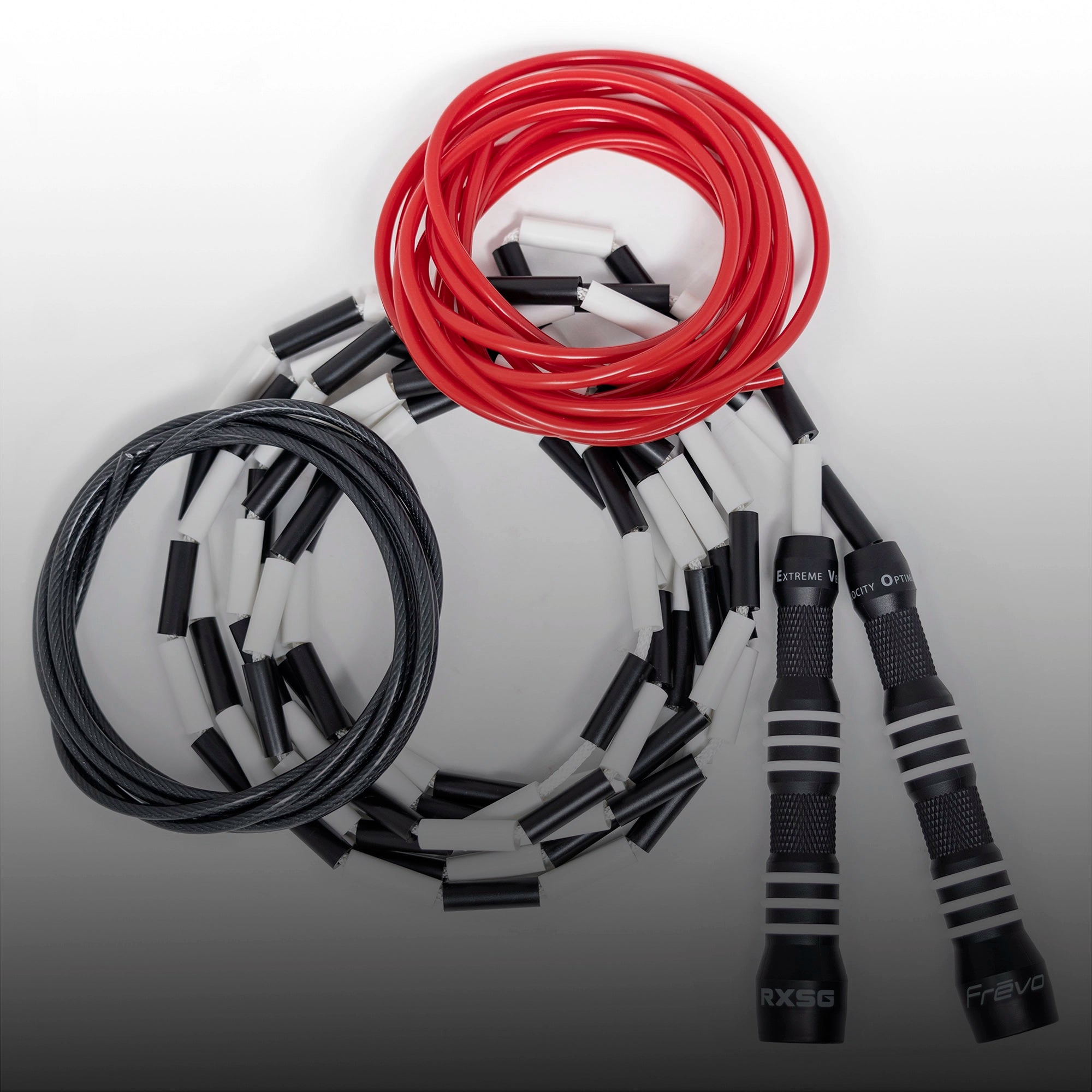
There are different types of jump ropes. It is therefore important that you choose the right one for its purpose and use it as it is intended. Speed ropes are perfect for double unders and CrossFit, whereas a freestyle rope is great for tricks.
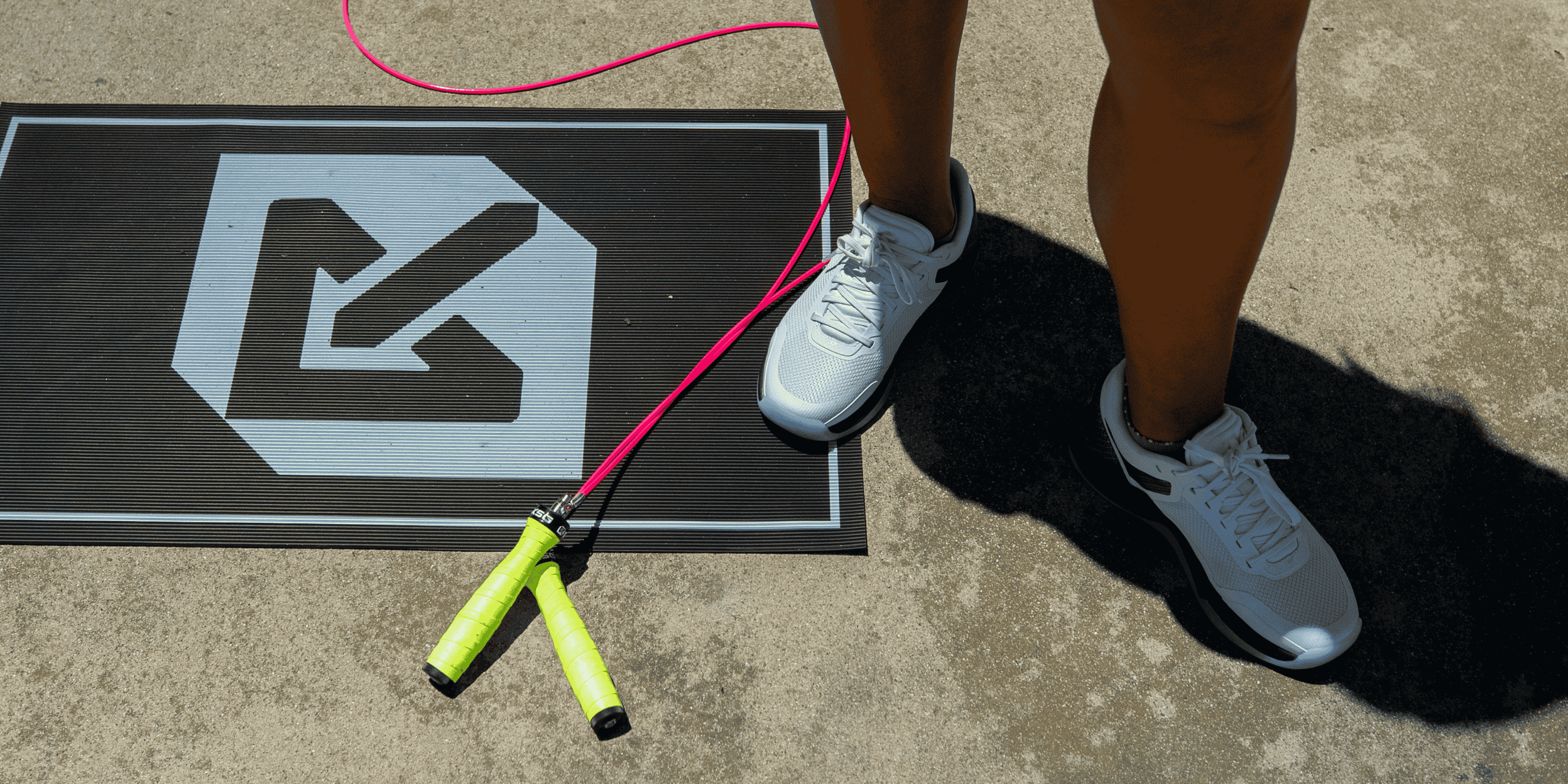
The type of surface that you are choosing to jump on will have an impact on the lifespan of your jump rope. Concrete, while a popular choice, can cause the cable coating to wear more quickly. Rubber, wood or vinyl flooring can be a lot better for the jump rope and your body.
Jump rope training outdoors doesn’t have to mean constantly replacing your equipment.
By selecting the right rope, the right place and establishing a seasonal maintenance routine, you can extend the life of your jump rope.
FAQs
How long should I jump rope each day?
For general fitness, 15 to 20 minutes of focused jump rope work — including rest intervals — is plenty. That's roughly equivalent to 30 to 40 minutes of jogging in terms of cardiovascular stimulus. If you're just starting out, even 10 minutes is meaningful. Quality of effort matters more than duration, especially early on.
Is jumping rope bad for your knees?
Done correctly, no. The key is landing on the balls of your feet with slightly bent knees, not landing flat-footed or with locked joints. This distributes impact through your calf muscles rather than driving force directly into the knee joint. People who experience knee pain while jumping rope are typically landing too hard, jumping too high, or using improper footwear. A supportive athletic shoe with reasonable cushioning makes a real difference.
How do I know if my rope is the right length?
Use the sternum test described earlier in this post. When you stand on the center of the rope and hold the handles parallel to the ground, the cable ends should align at or just below your sternum. If they reach your chin or above, the rope is too long — shorten it. If they fall at your belly button or below, it's too short and you'll need a longer rope or a different size.
What's the difference between a speed rope and a fitness rope?
A speed rope is designed for maximum rotational velocity — ultralight wire, minimal handle weight, built for athletes working on double-unders or triple-unders. It offers almost no feedback and can be difficult to control if you haven't already developed solid timing. A fitness rope is designed for general conditioning: slightly heavier cable (that 3–4 ounce range), more feedback, more forgiving. If you're not specifically training for jump rope competition or high-level CrossFit skills, a fitness cable is the right call. I'd say 90% of people — including very fit, active people — are best served by a fitness cable.
Can I lose weight by jumping rope?
Yes, meaningfully so — but like any exercise, it works in the context of an overall approach that includes diet and recovery. Jump rope is particularly effective for fat loss because the intensity is easy to scale up, the full-body engagement keeps your metabolic rate elevated, and the coordination challenge keeps your sessions from becoming mindless. At a moderate intensity, most people burn 10 to 15 calories per minute. At high intensity, that number goes higher. Combined with a reasonable nutrition approach, consistent jump rope training produces real, visible results.
How often should I replace my rope cable?
For a cable-based rope used regularly, I'd inspect the cable every few months for signs of fraying or kinking, especially near the handle entry points. Heavy use on rough surfaces (concrete, asphalt) will wear a cable faster than use on wood floors or rubber gym matting. Most quality cables last one to two years with regular use. When the cable starts to develop stiff spots or visible wear, replace it — a worn cable affects your timing and can snap unexpectedly mid-workout.I keep tripping.
What am I doing wrong?
Usually one of three things: hands too wide (shortening the rope's arc), jumping too high (disrupting your timing), or looking down at the rope instead of straight ahead. Fix your hand position first — bring them in close to your hips. Then focus on minimal, consistent jumps. And keep your gaze forward at eye level. The rope will take care of itself once your timing and position are dialed in. Tripping early on is completely normal; it doesn't mean you're doing it wrong, it means you're still learning. Stay patient, reset quickly, and keep going.