


Ericka Arguedas | RXSG Marketing Director & Fitness Enthusiast
Jumping rope can be many things to many people. For some, it is a nostalgic playground game. In recent years, science has caught up with what many athletes, trainers and health-minded people have long sensed: skipping rope is an extraordinarily efficient and multifaceted form of exercise.

Whether you’re interested in improving your physical fitness,
enhancing cognitive function, or even just sculpting your body, the humble jump rope delivers powerful benefits that extend form muscle fibers to neural circuits.At its simplest, jumping rope requires only a rope, flat ground, and a bit of rhythm. Yet behind this simplicity lies a complex interplay of muscular work, cardiovascular demand, motor coordination, and neural adaptation that scientists are now beginning to unpack.

A Metabolic Powerhouse
One of the most well-documented benefits of jumping rope is its effectiveness as cardiovascular exercise. When you jump rope continuously, your heart rate rises rapidly, increasing the demand for oxygen delivery to your muscles. Over time, this stimulates improvements in cardiorespiratory fitness - your heart becomes more efficient, your lungs adapt, and your endurance improves. Studies show that similar aerobic activities boost VO2 max, a key measure of cardiovascular performance, and help reduce cardiovascular disease risk factors such as high blood pressure and unhealthy cholesterol levels

Jumping rope also burns a significant number of calories in a short amount of time.
This makes it a valuable tool for weight management or fat loss, especially when combined with appropriate nutrition and other health habits. Because it engages both upper and lower body musculature in rhythmic action, it can burn calories at a rate comparable to more time-intensive activities like jogging.

Strength, Bones, And Balance
At the level of muscles and bones, jump rope training offers a surprising range of physiological benefits. The continuous act of hopping engages the calves, quadriceps, hamstrings, glutes and core muscles in a coordinated pattern of contraction and relaxation - this builds muscular endurance and strength over time.
In fact, because jumping rope involves repetitive weight-bearing impact, it stimulates the cells in bones to build greater bone mineral density. This makes it a potent contributor to skeletal strength - especially helpful for long term bone health and reducing the risk of conditions like osteoporosis. Low-impact cardio options like swimming or cycling can be excellent for many reasons, but they don’t provide the same load-bearing stimulus that jump rope does for bones.
Balance and proprioception - or your body’s sense of where it is in space - also improve with regular skipping, each jump requiring you to reposition your feet, maintain a steady rhythm and stabilise on landing. All of that enhances neuromuscular control, and this can translate into better performance in other sports as well as in everyday movement, and may even reduce injury risk by training the stabilising muscles around joints.

Coordination & Motor Skills: Training The Mind Through Movement
Beyond heart and muscle, jumping rope is fundamentally a coordination-driven activity. Unlike walking or running - movements the body acquires early and performs almost automatically - jumping rope demands precise timing, rhythm, and synchronization between limbs. This coordination challenge is not just physical; it’s a neurological one.
The brain regions involved in motor planning and timing must work together to keep your arms swinging and your feet jumping at just the right moments. With practice, these patterns become more efficient and fluid, an indicator of motor skill learning. Importantly, acquiring and refining such skills isn’t about building muscle alone; it’s about changing the brain’s internal wiring, a process known as neuroplasticity.





Skill Level
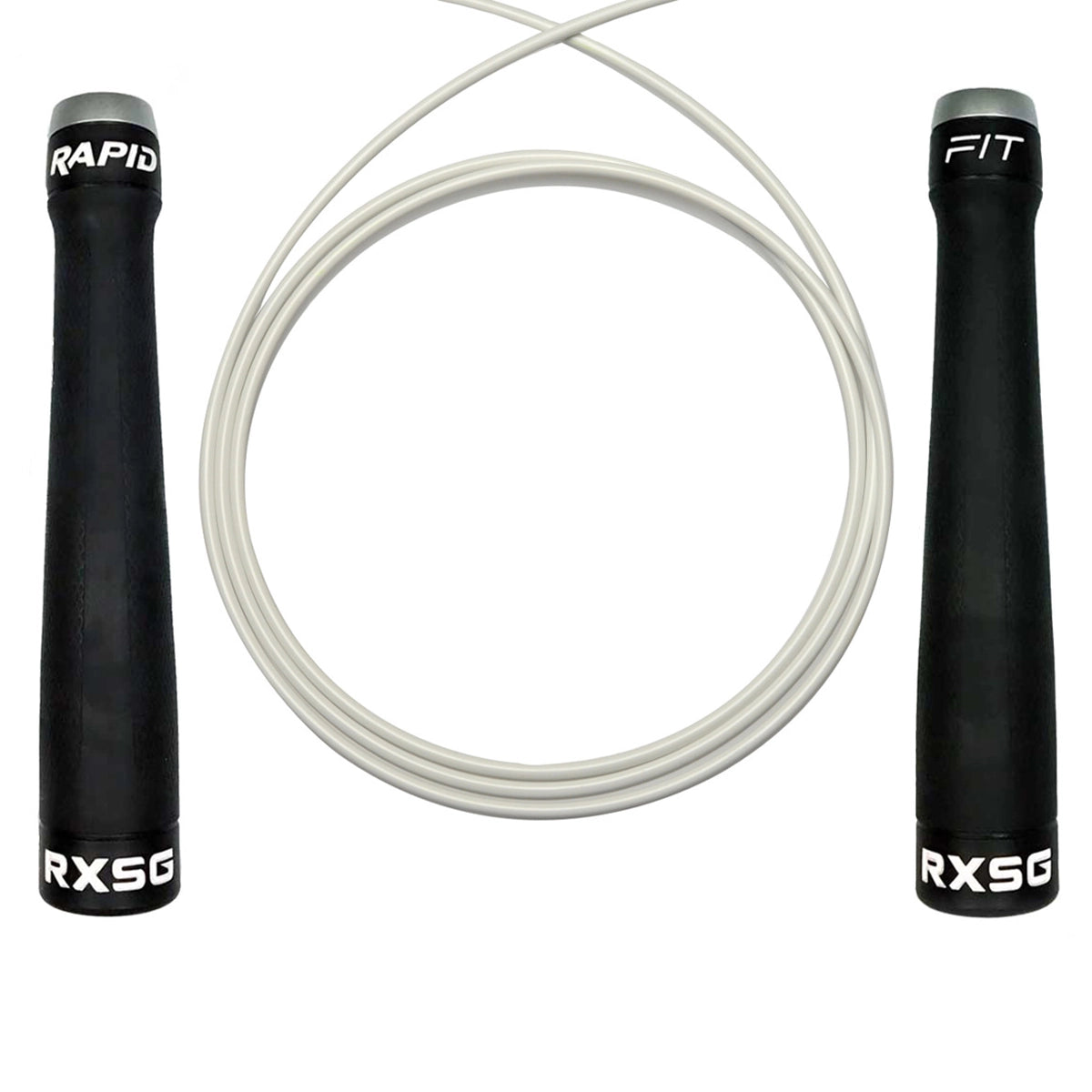
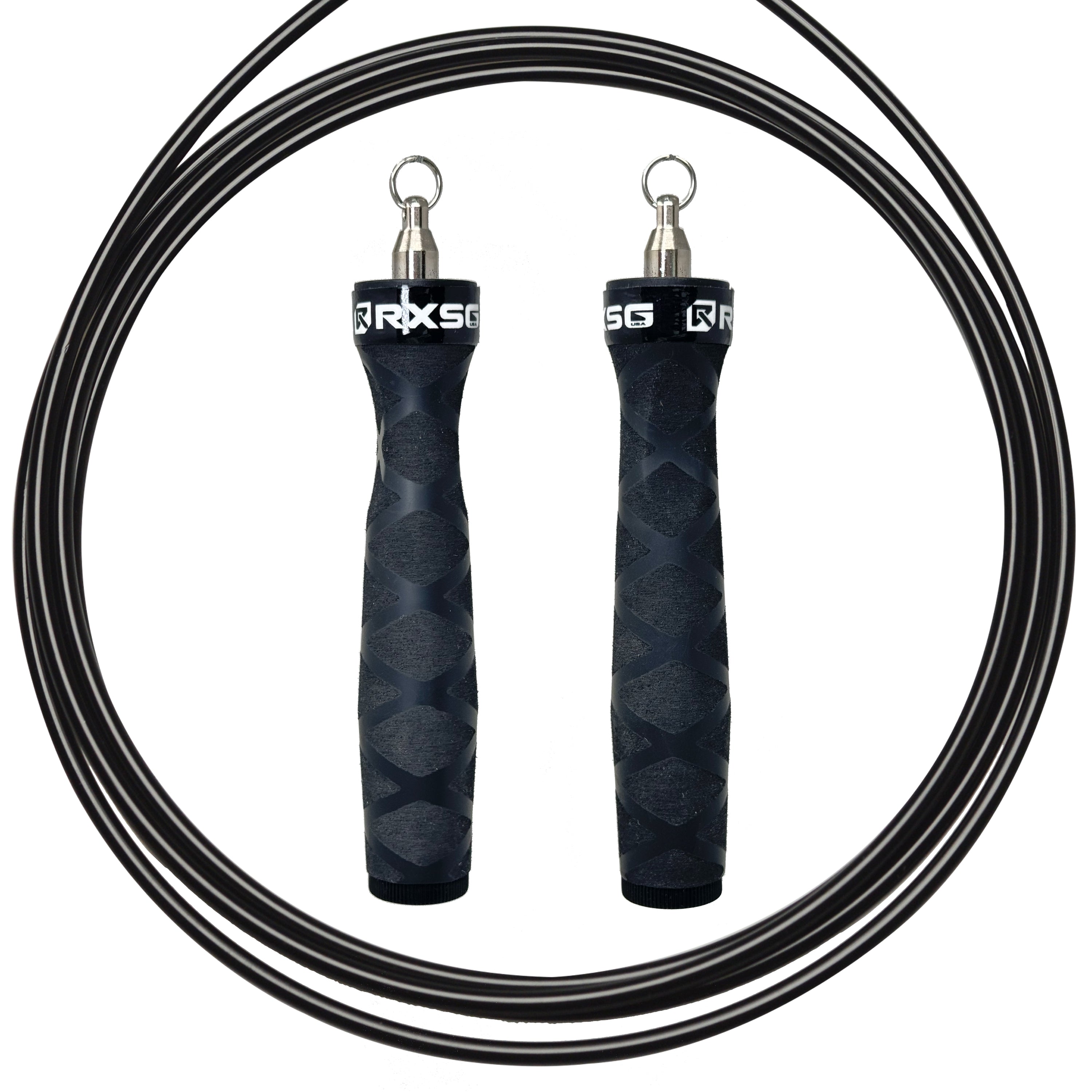
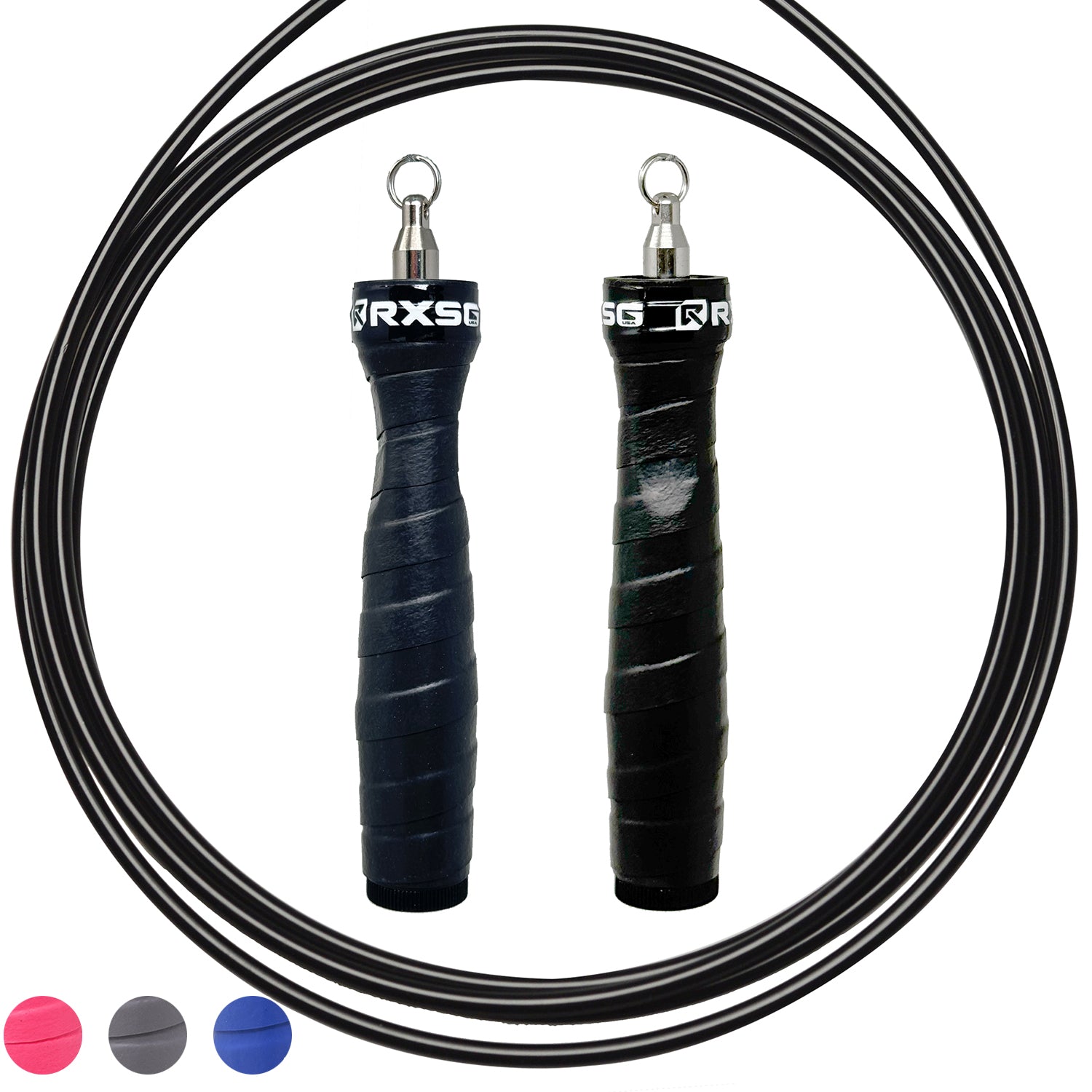
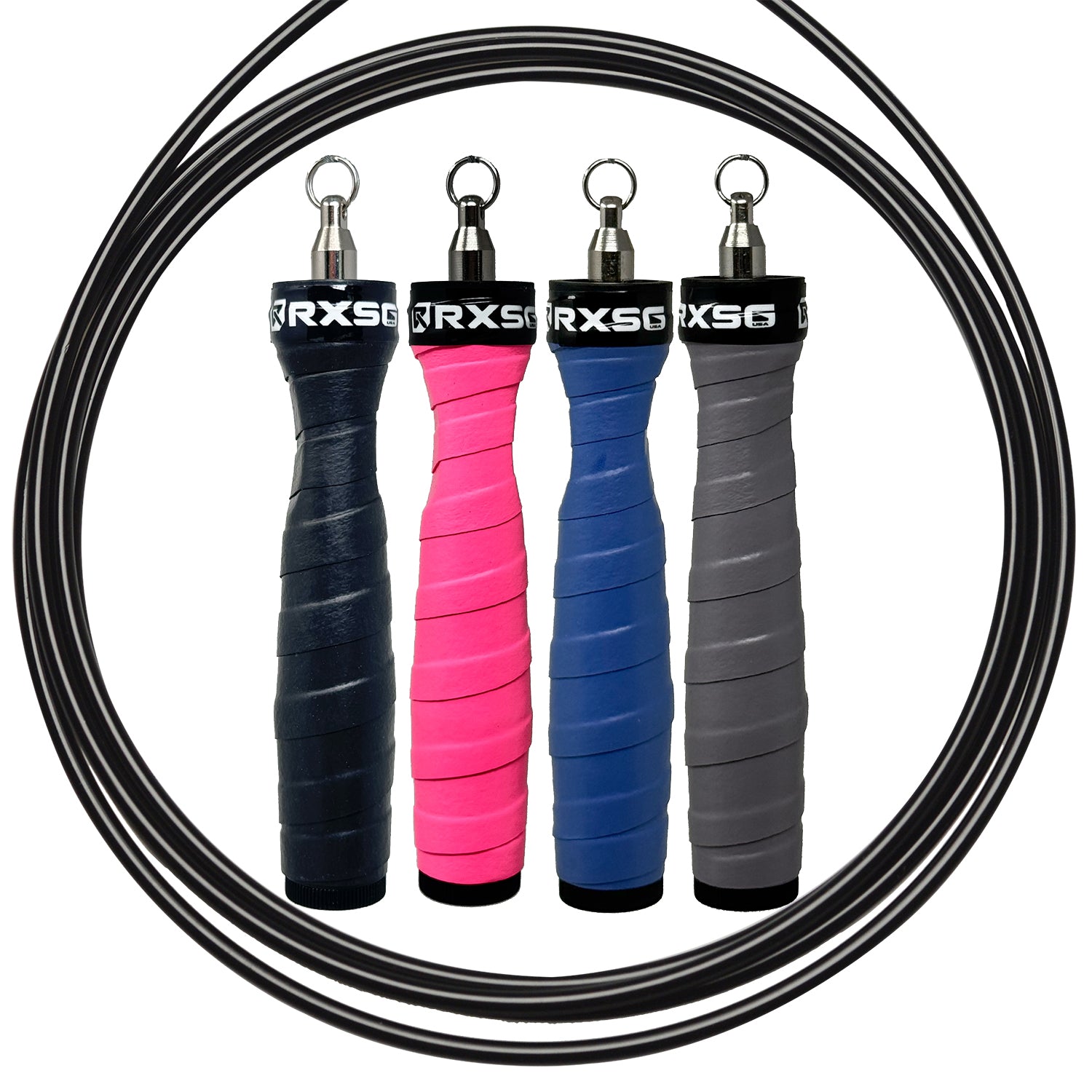
Your current skill level will be a major factor in choosing between a jump rope and a speed rope. Keep in mind that a jump rope can still go as fast as you can humanly spin it. You are the motor that drives the rope. But a beginner needs a rope they can purposely slow down to develop their timing and coordination jumping over the rope. A rope weighing at least 3-4 ounces provides the feedback to the user to better track the rope moving around their body. A coated wire cable provides a consistent length no matter the speed the rope is moving. Whereas a flexible rope, such as PVC plastic, nylon string, or woven rope material, all have a certain amount of elasticity. This allows the rope to stretch and contract, changing where the rope contacts the ground in front of the toes when you jump. This can be the cause of a lot of tripping and missteps. Speed ropes are not a beginner’s best option due to the fact that they possess the 2 characteristics that make learning difficult: light and fast. But once you have your timing and coordination down, then a speed rope makes a fantastic training tool to add speed into your workouts.
Neuroplasticity: How Physical & Cognitive Training Intersect
Neuroplasticity, if you are not already aware, is the brain’s remarkable ability to reorganise itself - forming new neural connections, strengthening useful ones, and even growing new neurons under certain conditions. Historically, scientists believed that the adult brain was relatively fixed in its structure. However, decades of research have steadily overturned that idea, showing instead that physical activity can actively enhance neuroplasticity across the lifespan.
In general, aerobic exercises that raise heart rate and engage multiple muscle groups can increase levels of neurotrophic factors - biological compounds like BDNF that support neuron growth, survival, and synaptic plasticity. These changes occur at molecular, cellular, and network levels in the brain, and they correlate with improvements in learning, memory, attention, and executive function.
Jumping rope blends physical exertion with real-time sensorimotor coordination. This combination appears especially effective at stimulating neuroplastic changes linked to motor skill learning and cognitive processing. Studies on rope-based activities indicate that complex rope skipping can enhance cognitive aspects such as working memory, executive control, and inhibitory processing - traits that are essential for adaptive decision-making and focus.
Thus, when you jump rope, you’re not just strengthening your heart and muscles - you’re actively engaging and challenging your nervous system too. Over time, the brain adapts by optimizing connections that make movement smoother and cognition sharper. And because neuroplasticity tends to decline with age, regular engagement in coordination-intensive activities like jump rope may help keep the nervous system agile for even longer.

Mental Health & Flow States
In addition to measurable structural changes in the brain, jumping rope can have immediate effects on mood and mental clarity. The rhythmic, repetitive motion can shift attention away from stressors, promote a sense of flow, and trigger the release of endorphins and other mood-elevating neurotransmitters. This combination of physical rhythm and cognitive engagement acts much like a moving meditation, helping reduce feelings of anxiety and improve resilience at the same time.
Practicality: Minimal Gear, Maximum Return
Part of what makes jumping rope a scientifically compelling workout is its accessibility. It requires minimal equipment, takes up little space, and fits into short windows of time - making it one of the most efficient exercise tools available. Whether you’re at home, in a gym, or traveling, a simple jump rope empowers you to get a high-impact cardiovascular and neurological workout in just a few minutes.
So from improved cardio fitness and muscular endurance to enhanced cognitive function and neuroplasticity, the benefits of jumping rope compass the body and mind. It’s absolutely one of the best things you can do for yourself.