


David Newman | Rx Smart Gear CEO & Expert Jump Rope Coach
The CrossFit Games are designed to expose weaknesses.
Sometimes that weakness is strength. Sometimes it's endurance. Sometimes it's gymnastics capacity.
And sometimes, as we saw on Day 3 of the CrossFit Games, it's skill.
When triple unders appeared on the competition floor, some of the fittest athletes in the world suddenly faced a movement they couldn't simply overpower. We watched athletes trip, reset, lose rhythm, tense up, and burn valuable time trying to force the rope through three rotations.
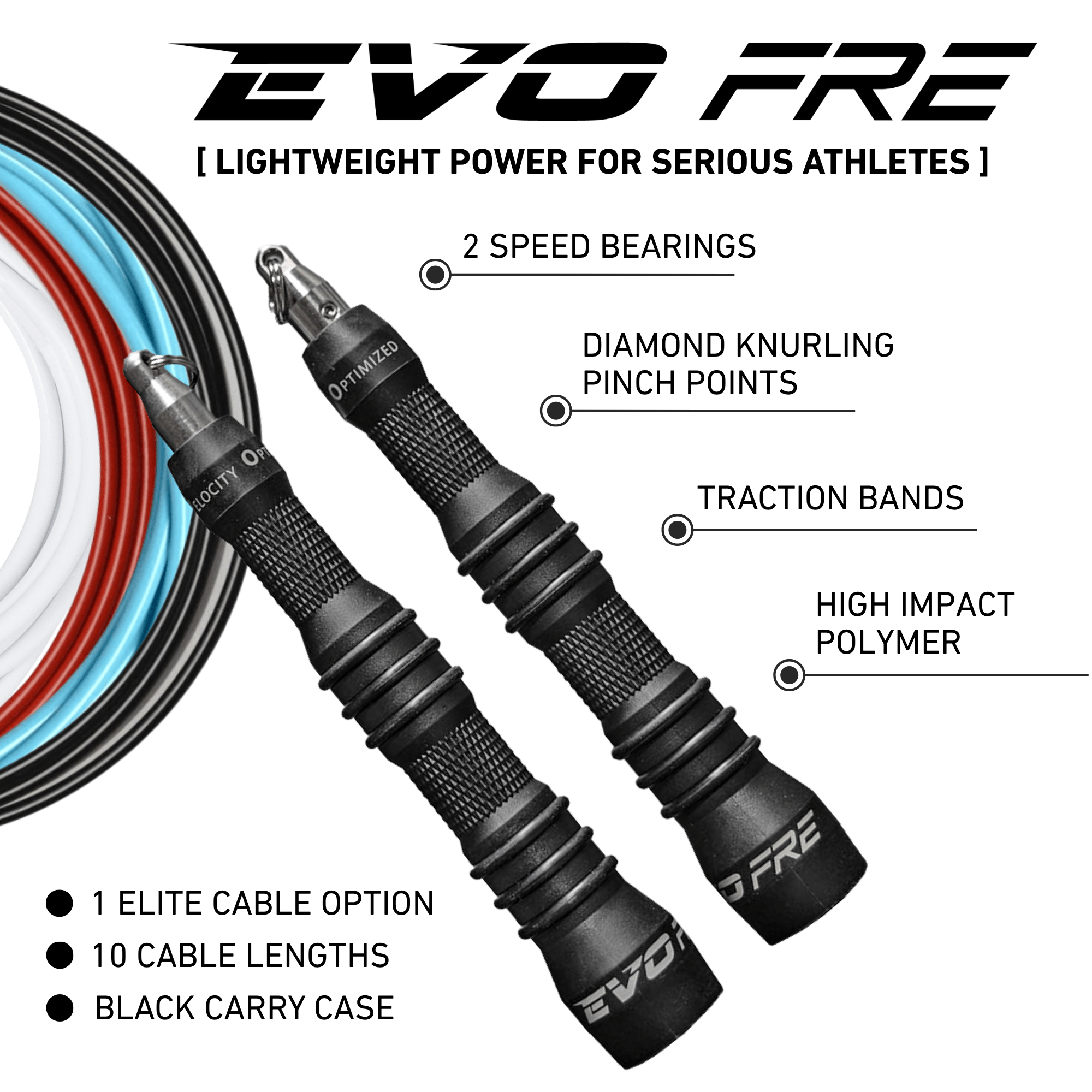



For us at Rx Smart Gear, it reinforced something we've been teaching athletes for years:
Jump rope isn't about working harder. It's about learning to work smarter.
Triple unders are the perfect example.
You can have an incredible engine. You can have explosive jumping ability. You can be strong enough to dominate almost every other movement in a workout.
But if your timing, rope control, body position, and mechanics aren't dialed in, the rope will expose it.
That's why triple unders need to be treated as a skill, not simply as a more difficult conditioning movement.
And that's exactly how we approach them through the Rx Method.

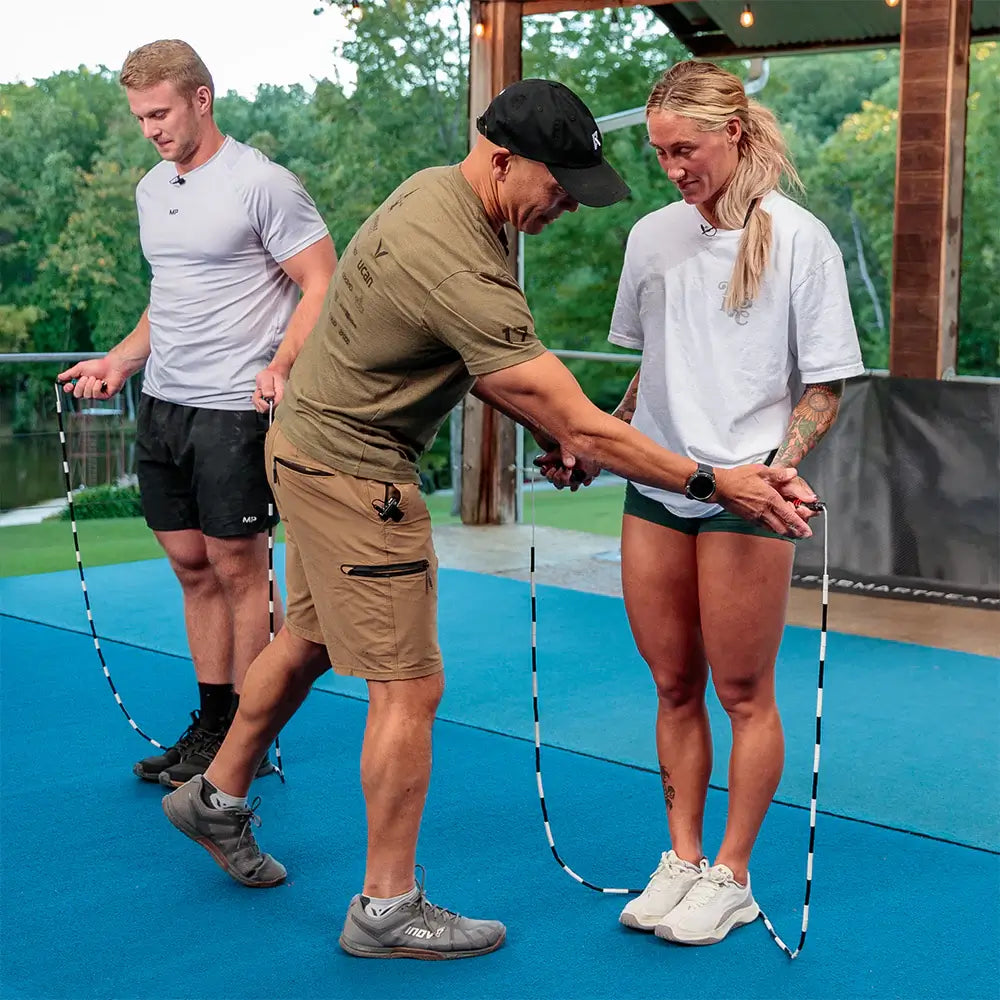
Triple Unders with Dani Speegle
The Rx Method: Technique Before Intensity
The Rx Method was developed around a simple idea:
Don't leave your jump rope skills to chance.
We've taught the Rx Method to thousands of athletes—from people picking up a rope for the first time to CrossFit Games champions.
The level of the athlete may change, but the fundamentals don't.
A beginner needs good technique to learn a skill.
An elite athlete needs excellent technique to master that skill under pressure.
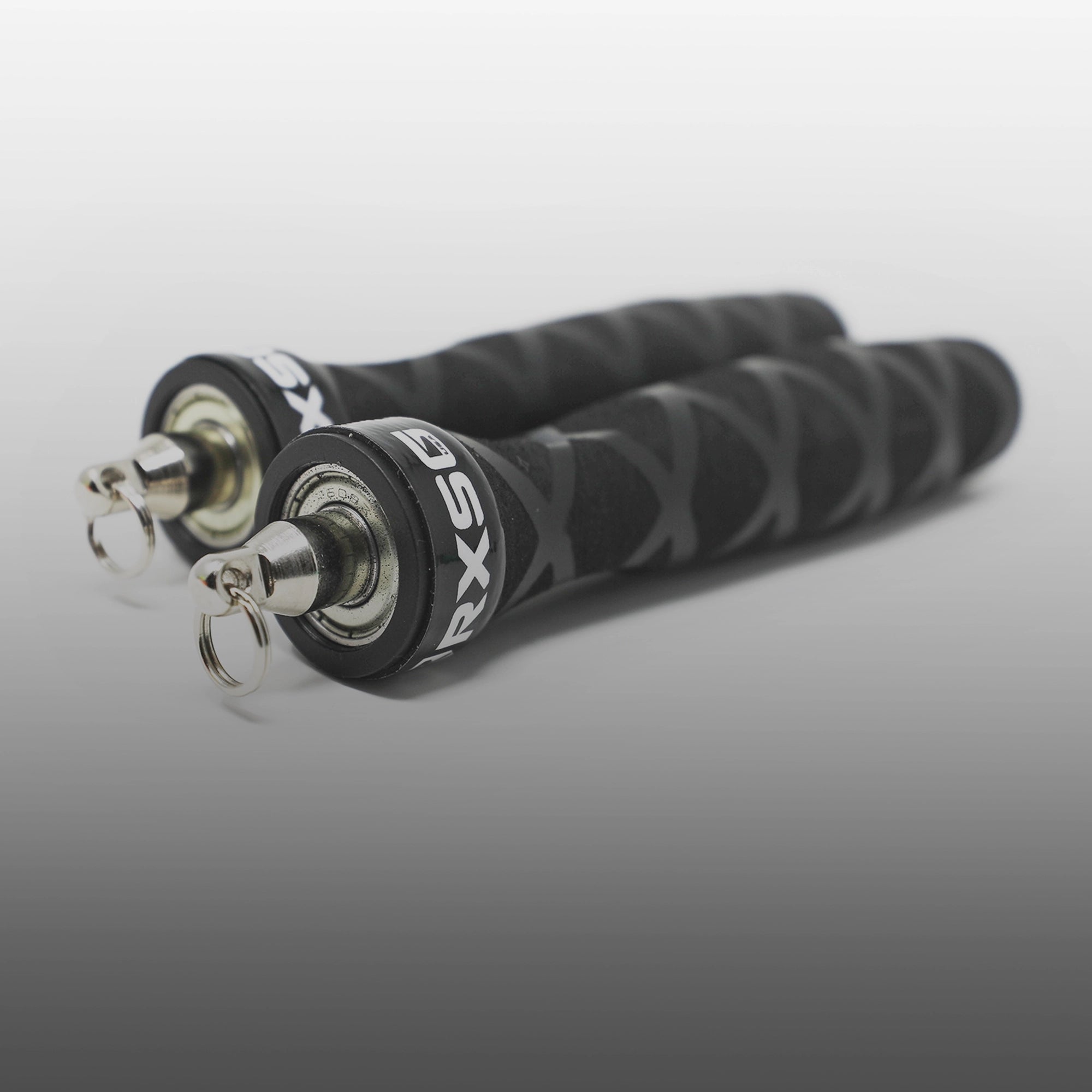
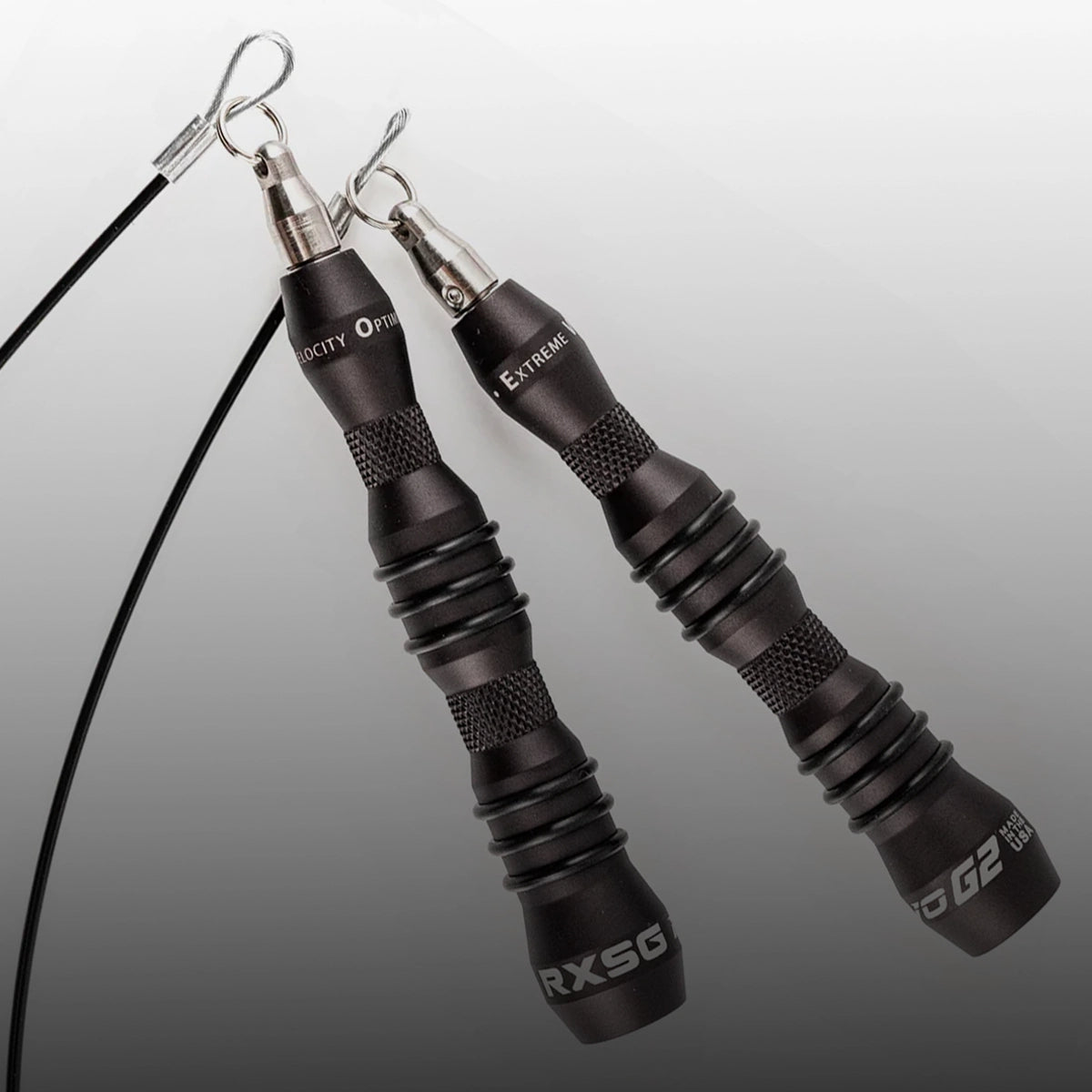
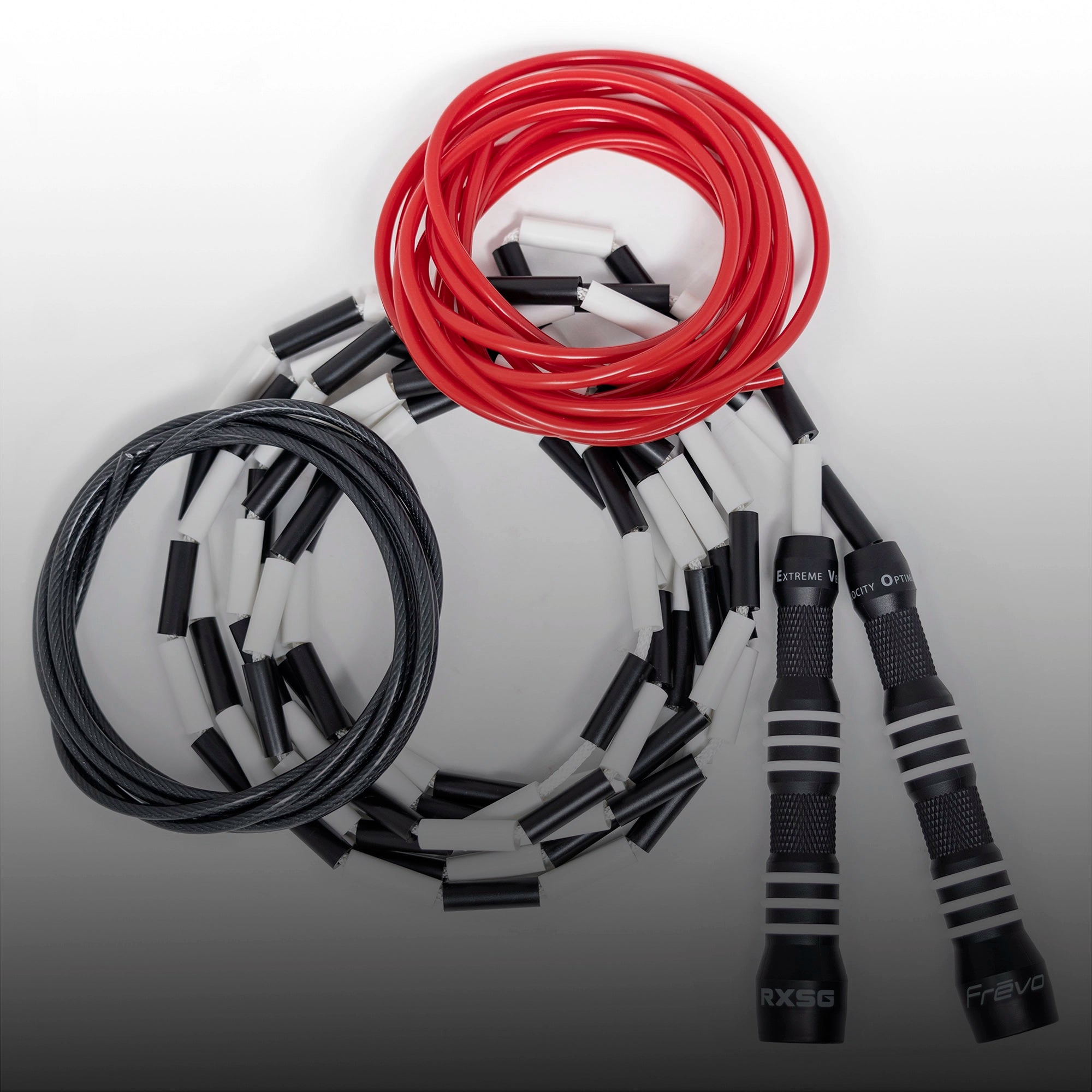
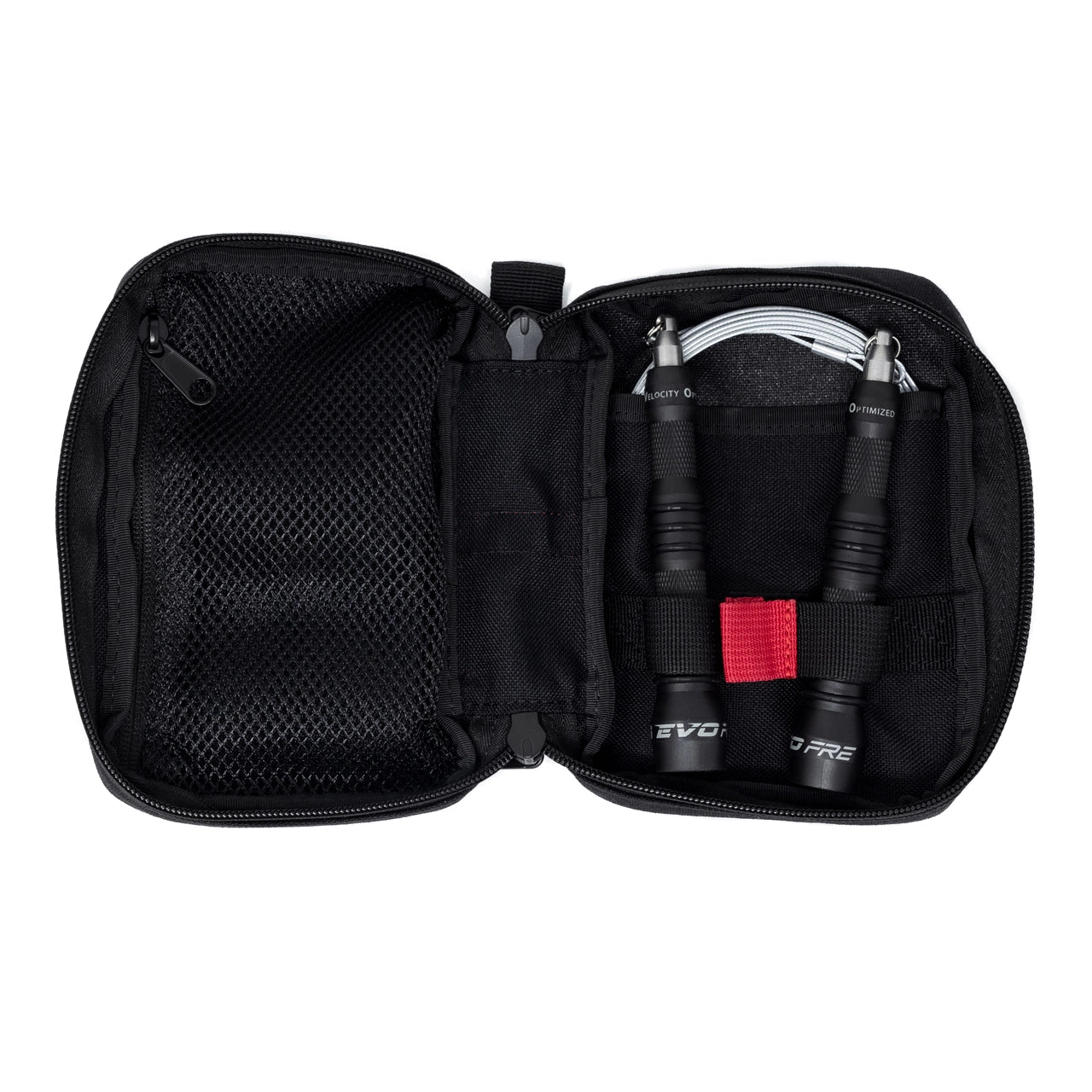
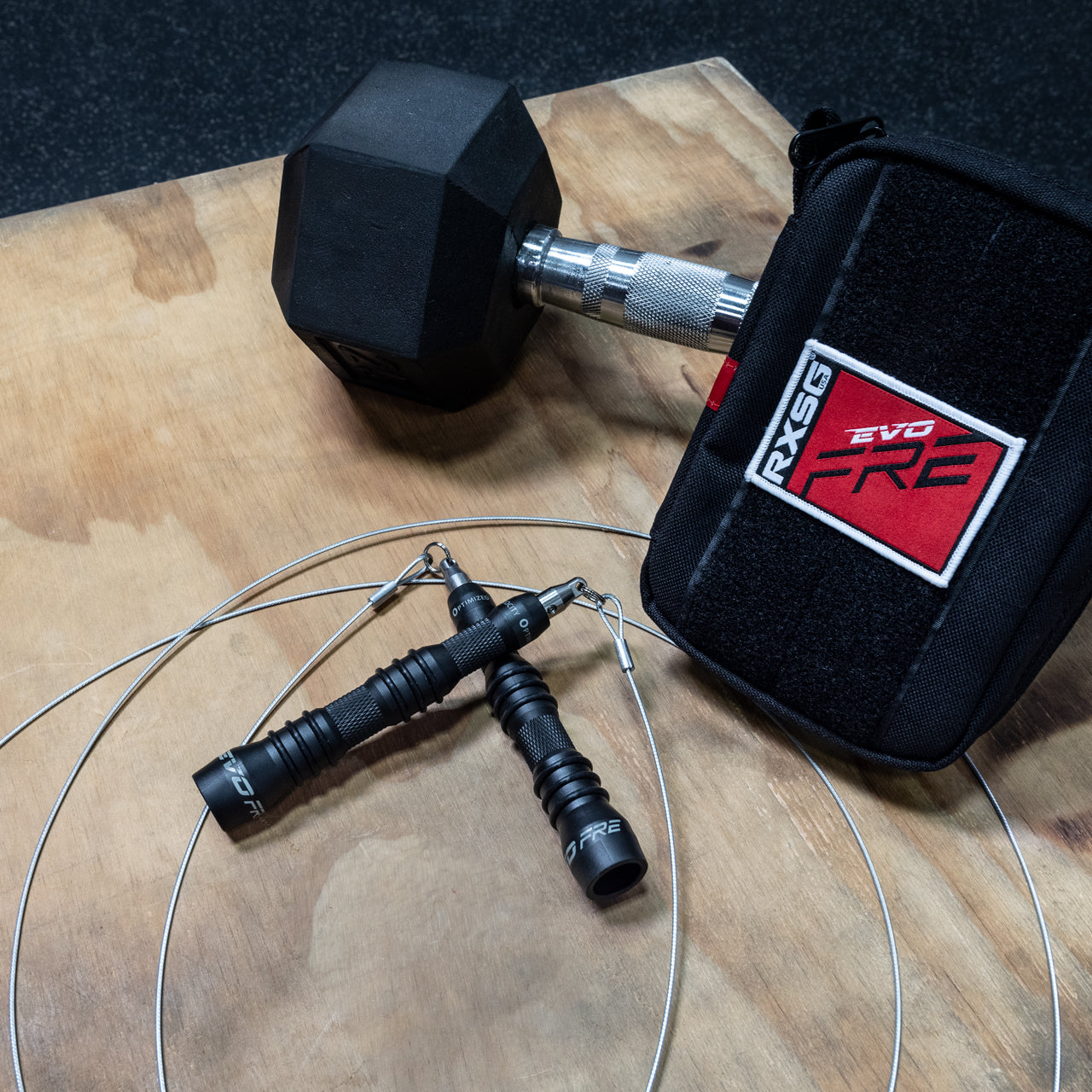
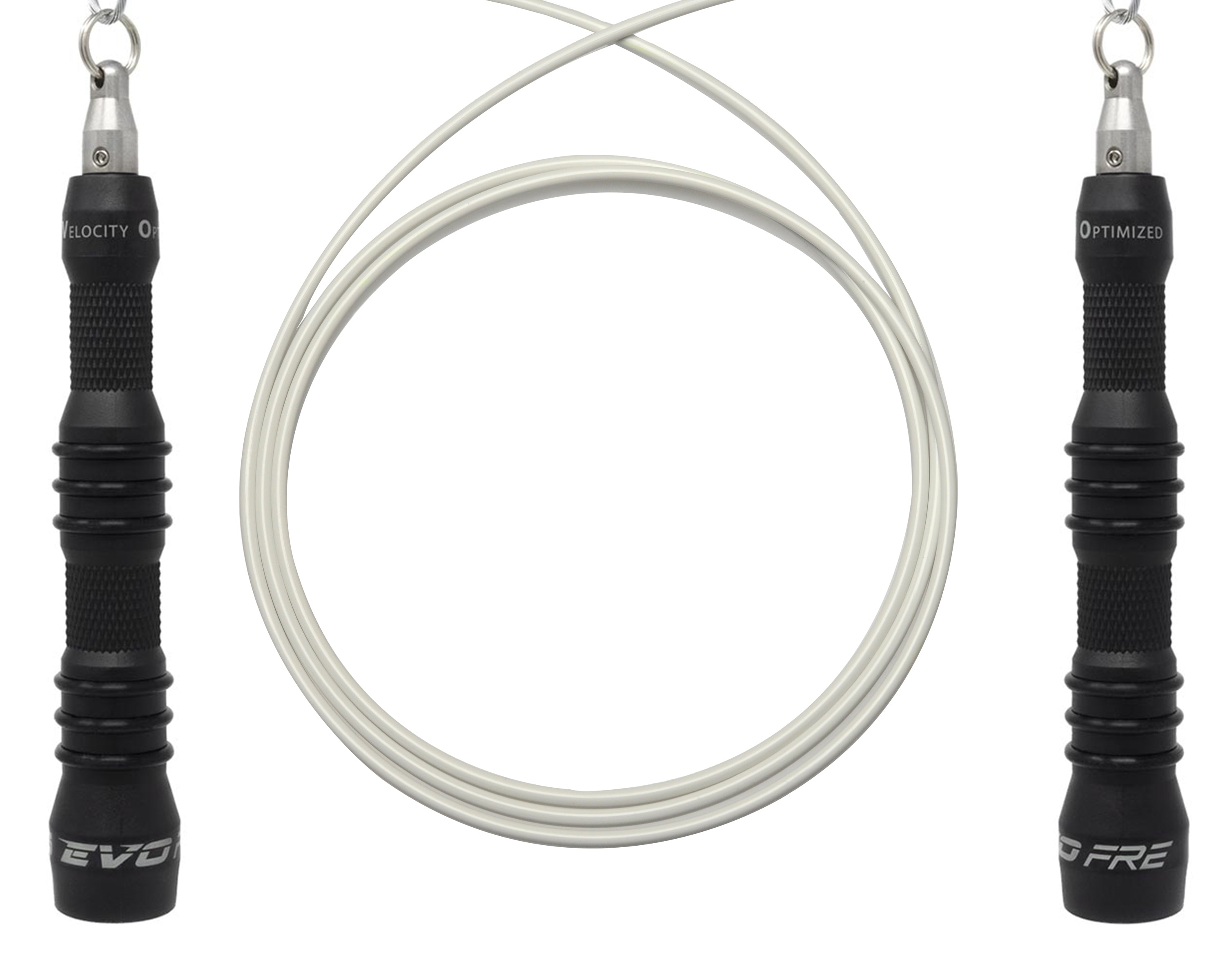
The Rx Method focuses on the details that make efficient jump rope possible: proper rope sizing, choosing the right rope for the job, correct form and mechanics, tempo, timing and spacing, repeatable skill sequences, and specific cues that help athletes avoid trips.
Triple unders require all of them.
What happened at the Games is a perfect opportunity to examine why this movement is so difficult—and, more importantly, how athletes can train it differently.
Triple Unders Aren't Faster Double Unders
This is one of the biggest misconceptions about triple unders.
Athletes naturally think:
"If I can do double unders, I just need to spin the rope faster."
Not exactly.
Triple unders are faster than double unders and require greater accuracy, but you can't solve the movement simply by attacking the rope harder.
The rhythm changes.
The relationship between your jump and the rope changes.
One of the most important concepts we teach is to create the jump before chasing rope speed.
Think:
Jump first. Rotate second.
Triple unders require additional airtime. The more efficiently you create that airtime, the less frantic you have to become with the rope.
When athletes reverse that relationship and obsess about spinning faster, they often become tense. Their hands move. Their shoulders get involved. Their jump gets worse.
Then the rope catches.
The solution isn't always more speed.
Sometimes the solution is creating more time.

✔️ Why Triple Unders Require a Different Rhythm Than Double Unders
This is where the Rx Method concept of tempo, timing and spacing becomes incredibly important.
A good double-under rhythm is relatively quick. Your jump is low and efficient, and your rope turnover matches that cadence.
A triple under requires a different rhythm because you need enough vertical displacement for three rotations to happen before your feet return to the ground.
That doesn't mean performing a giant tuck jump.
It means learning to rise vertically, stay tall, and create usable airtime.
The athlete needs to feel the relationship between the rope rotation and the jump rather than simply reacting to the rope.
This is one reason we like using repeatable progressions.
A useful lead-in is:
One single under → One double under → One triple under
Instead of repeatedly starting from a dead stop and hoping everything comes together, the sequence helps establish rhythm before the triple.
The exact progression can vary by athlete. What's more important is that your lead-in becomes consistent.
Consistency builds confidence.
And under pressure, you want a pattern your body already knows.

✔️ The Wrist Mechanics That Create Faster Rope Speed
Once you've created the appropriate jump, you still need enough rope speed to complete three rotations.
But where that speed comes from is what matters.
Your entire arm doesn't need to move faster.
Your wrists do.
One of the most important Rx Method principles is eliminating unnecessary movement.
When athletes try to force triple unders, you'll often see their shoulders working harder, their elbows changing position, and their hands moving forward, backward, or away from their hips.
Every one of those movements affects the rope's path.
Instead, we want the hands to stay anchored just outside the hip crease while the wrists rotate the rope.
Imagine a barbell sitting across your hip crease.
Your hands shouldn't continually drift in front of that imaginary bar or behind it.
Keep them in position and allow the wrists to do the work.
Why does this matter?
Because the rope is incredibly sensitive to hand position.
When your hands move backward, forward, or outward, you're changing where the rope contacts the ground and how much clearance you have beneath your feet.
At triple-under speed, those small changes become big mistakes.
Quiet hands. Active wrists.
That's efficiency.
Stop Chasing Rope Speed
This deserves special attention because it's one of the most common reactions when athletes struggle with triples.
Miss a rep?
Spin faster.
Miss again?
Spin even faster.
Then grip harder.
Then tense the shoulders.
Then try to jump and spin as aggressively as possible.
Now everything is happening faster—except progress.
This is where the Rx Method asks athletes to change their thinking.
Instead of immediately chasing more rope speed, ask:
Am I creating enough airtime?
A better jump gives you more time to complete the rotations.
That means your rope turnover can be fast without becoming frantic.
Get higher before you get faster.
That's a very different strategy from simply attacking the rope.
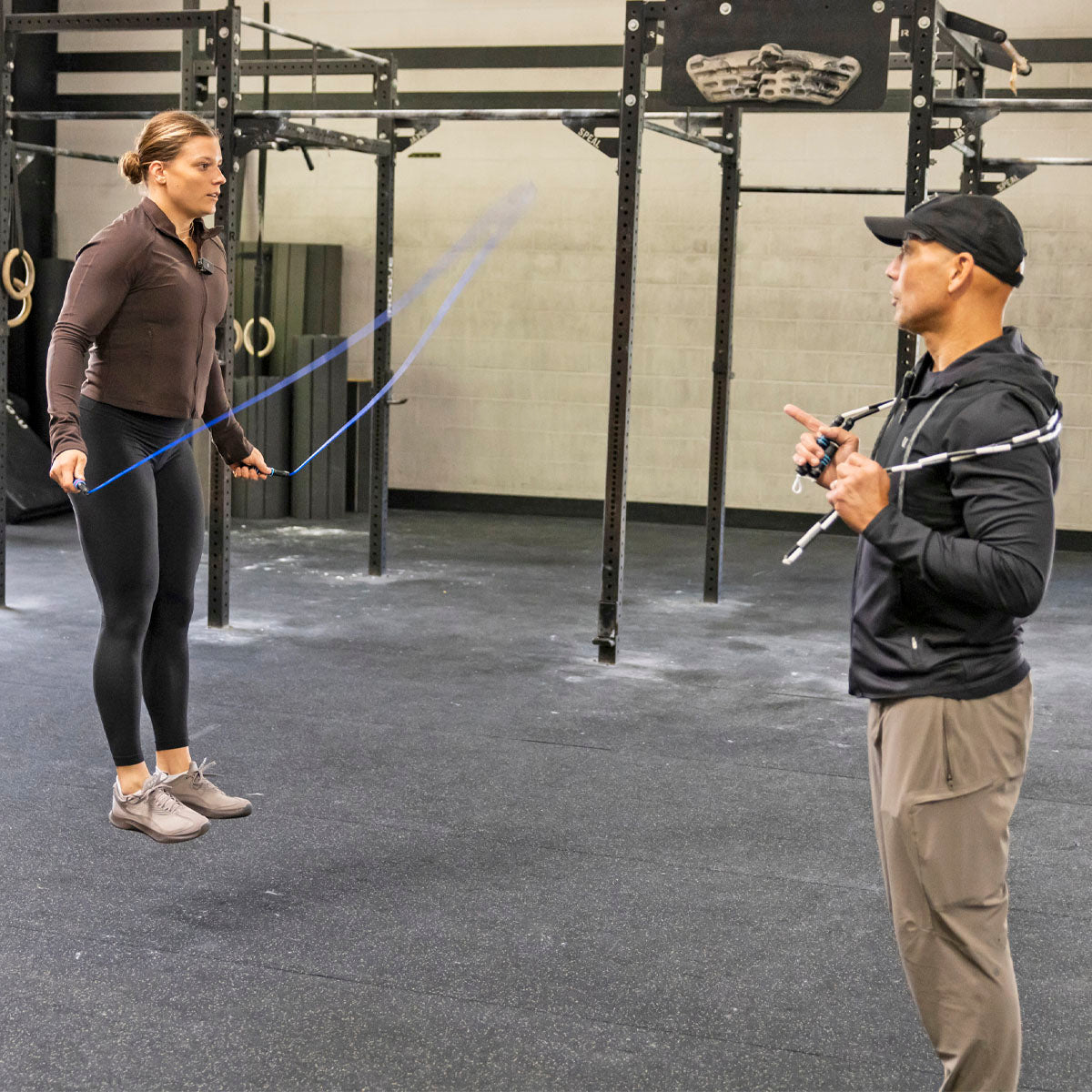
✔️ Common Mistakes That Waste Energy and Slow Your Progress
Triple unders amplify technical mistakes.
At double-under speed, you may be able to get away with inefficient mechanics.
Triple unders give you much less margin for error.
Mistake #1: Your Hands Drift Behind You
Athletes often pull their hands backward because they're subconsciously trying to help the rope get underneath their feet.
Unfortunately, moving the hands changes the rope path and can cause it to catch closer to the toes.
Rx Method Cue: Keep your hands pinned just outside the hips and let the wrists create the rotation.
Mistake #2: You're Trying to Spin Faster Instead of Jump Better
More tension isn't the same thing as more speed.
When athletes aggressively chase rope speed, their hands move, their upper body tightens, and they often reduce the quality of their jump.
Rx Method Cue: Jump first. Rotate second.
Create airtime before demanding more speed.
Mistake #3: You're Tucking Your Knees
Another common strategy is pulling the knees toward the chest to create clearance.
It might help you survive a single rep, but it can make consecutive triple unders much more difficult.
When you aggressively tuck, you have to get your body back into extension before landing. That can produce a slower, heavier rebound.
Rx Method Cue: Rise upward instead of pulling your knees up.
Stay tall through the hips and let your feet naturally return toward the floor.
Mistake #4: You're Thinking About Too Many Reps
Athletes often get ahead of themselves.
They haven't mastered one triple yet, but they're already thinking about sets of five, ten, or twenty.
That's backwards.
Rx Method Cue: Win one rep first.
Land one clean triple under with good mechanics.
Then repeat it.
Once one quality repetition becomes predictable, you can start connecting two.
Then three.
Quality before quantity.
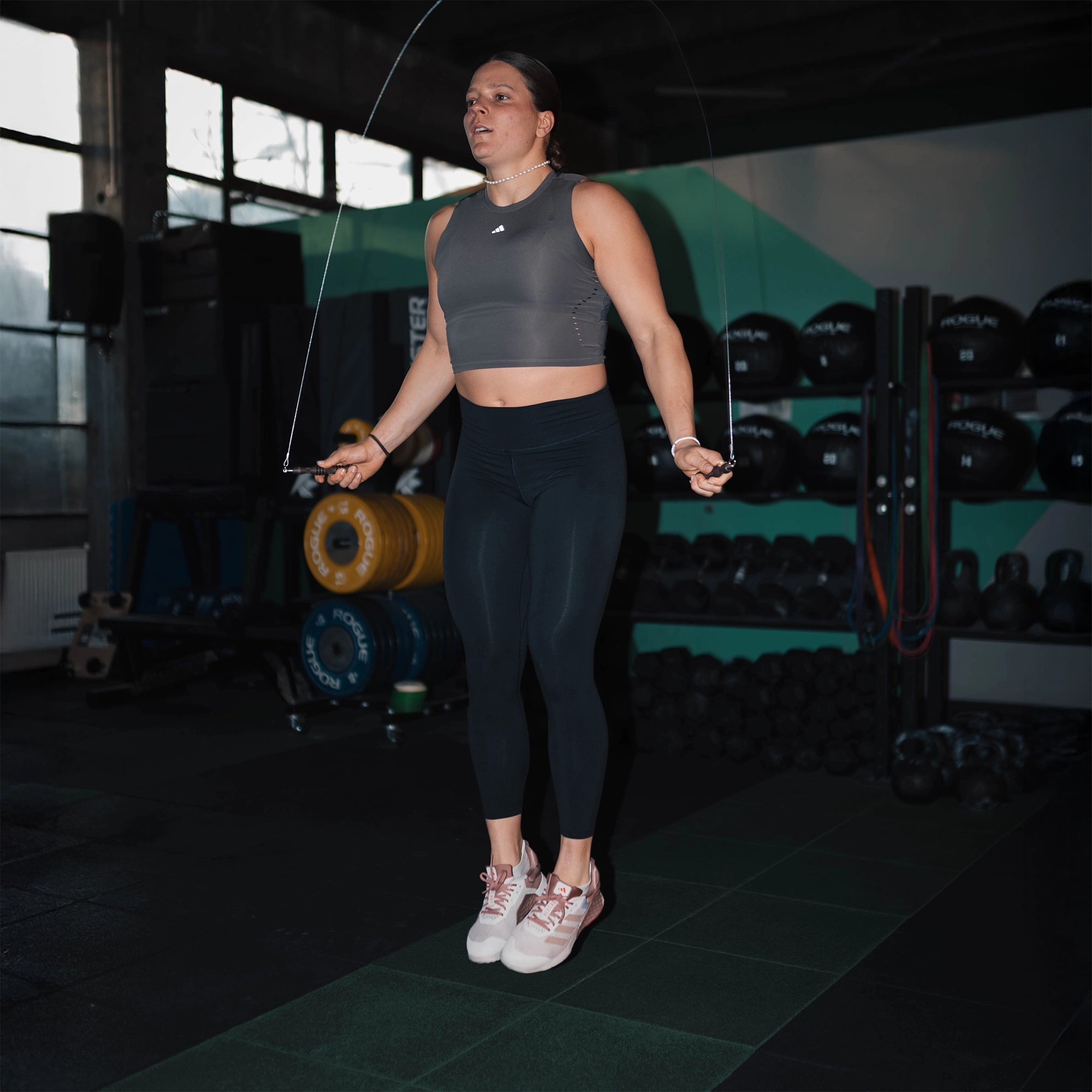
✔️ Simple Drills You Can Start Practicing Today
The Rx Method doesn't encourage athletes to learn by repeatedly failing the complete movement.
We want to create useful skill sequences that develop good movement patterns.
For triple unders, start by developing the pieces.
Drill 1: Establish Your Vertical Jump
Practice jumping vertically while staying long through your hips.
Avoid aggressively tucking your knees or kicking your heels backward.
Think:
Rise. Extend. Land. Rebound.
You're building the jump you'll eventually need for consecutive triples.
Drill 2: Anchor Your Hands
Perform controlled single and double unders while paying attention to your hands.
Keep them just outside the hip crease.
Don't allow them to drift backward as you increase rope speed.
The wrists should rotate while the hands remain relatively quiet.
Drill 3: Build Your Lead-In
Practice:
Single → Double → Triple
Don't worry about immediately linking multiple triples.
Your goal is to develop a predictable setup.
Use the same rhythm each time until the transition starts becoming automatic.
Drill 4: Own One Triple
Stop chasing huge sets.
Set a simpler objective:
One beautiful rep.
Can you perform one triple under without tucking?
Can you keep your hands where they belong?
Can you land balanced?
Can you rebound naturally?
If not, adding more reps isn't the priority yet.
Own the first rep.
Then build.
Learn to Listen to Your Rope
Here's a piece of coaching that many athletes overlook:
Don't only watch and feel your rope. Listen to it.
The sound of the rope contacting the ground gives you information about timing and rhythm.
Experienced jumpers develop an awareness of where the rope is without having to see it.
That sensory feedback becomes especially valuable during high-speed skills.
Instead of blindly hoping the third rotation made it through, you're developing an understanding of where the rope is in relation to your body.
The better that awareness becomes, the less you have to think consciously about every rotation.
And that's ultimately what we're trying to build through the Rx Method:
Repeatable movement patterns.
Triple Unders Aren't Faster Double Unders
This is one of the biggest misconceptions about triple unders.
Athletes naturally think:
"If I can do double unders, I just need to spin the rope faster."
Not exactly.
Triple unders are faster than double unders and require greater accuracy, but you can't solve the movement simply by attacking the rope harder.
The rhythm changes.
The relationship between your jump and the rope changes.
One of the most important concepts we teach is to create the jump before chasing rope speed.
Think:
Jump first. Rotate second.
Triple unders require additional airtime. The more efficiently you create that airtime, the less frantic you have to become with the rope.
When athletes reverse that relationship and obsess about spinning faster, they often become tense. Their hands move. Their shoulders get involved. Their jump gets worse.
Then the rope catches.
The solution isn't always more speed.
Sometimes the solution is creating more time.
Your Rope Setup Matters
Technique isn't the only piece of the equation.
The Rx Method starts with equipment for a reason.
The right gear makes a difference.
A properly sized rope allows the cable to travel efficiently around your body while keeping your hands in a strong position.
Some athletes automatically make their rope significantly longer when learning triples because they want additional clearance.
But more length isn't automatically better.
A longer rope also takes longer to rotate and can be harder to accelerate.
You're looking for the balance between adequate clearance and maximum efficiency.
The rope should work with your mechanics—not force you to compensate for it.
Before spending hours troubleshooting your triple unders, make sure you're using the right rope and that it's sized appropriately.

Train the Skill Before You Test the Skill
This may be the biggest lesson athletes should take away from the CrossFit Games.
There's a difference between training a skill and testing a skill.
Trying triple unders for the first time while exhausted isn't training.
That's testing.
Trying to figure out your rhythm while the clock is running isn't training.
That's testing.
Training happens beforehand.
Training is when you slow things down enough to understand what went wrong.
Training is when you develop the proper jump.
Training is when you fix your hand position.
Training is when you learn the rhythm.
Training is when you build repeatable sequences.
Then, once the mechanics become consistent, you can gradually introduce fatigue.
That's when you find out whether your technique holds together when your heart rate climbs.
The goal isn't simply to be able to say:
"I've done a triple under."
The goal is to develop a triple under you can trust when it matters.
Learn the Rx Method From David Newman
If watching triple unders at the CrossFit Games made you realize this skill needs to become part of your training, don't start by blindly attempting hundreds of reps.
Start by learning the movement.
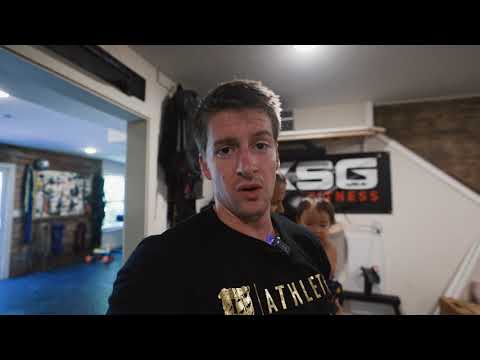
Rx Smart Gear founder and expert jump rope coach David Newman breaks down the exact concepts behind triple-under development in How to Master Triple Unders: The Coaching Cues That Actually Make a Difference.
The tutorial covers the details that are easy to miss when you're simply trying harder: rope setup, hand position, airtime, body position, rhythm, and how to build quality repetitions.
Watch David Newman's Triple Under Tutorial:

Watch David Newman's Triple Under Tutorial:
The Games Gave Every Athlete a Warning
Triple unders showing up on the CrossFit Games floor should change how competitive athletes think about this movement.
Don't assume you'll figure them out when you need them.
Don't wait for a qualifier.
Don't wait for the Open.
Don't wait until you're standing on a competition floor with your heart rate through the roof and a judge waiting for a good rep.
Prepare before you're tested.
- Start with the right rope.
- Learn the correct mechanics.
- Understand the rhythm.
- Keep your hands anchored.
- Develop the wrists.
- Create airtime.
- Stay tall.
- Build a repeatable lead-in.
- Own one rep before chasing ten.
- Listen to the rope.
- Then practice until those mechanics become automatic.
That's the Rx Method.
Because Day 3 of the CrossFit Games showed us something important:
Being fit enough to do triple unders and being skilled enough to do triple unders under pressure are two very different things.
The solution isn't simply working harder.
It's learning to work smarter.
Train the skill now so that the next time triple unders show up, you aren't trying to figure them out.
You'll be ready for them.
Read more...
The Ultimate Fountain of Youth: How Skipping Rope Rewinds the Biological Clock
Aging is often viewed as an inevitable decline in muscular strength, bone density, cardiorespiratory efficiency, and cognitive acuity. However, modern exercise physiology reveals that targeted move...
Want to Become a Better Runner? Science Says Pick Up a Jump Rope
When runners want to get faster, the typical answer is simple: run more. More miles. More intervals. More tempo runs. More time on the track. But what if one of the tools that could help improve yo...

Master Jump Rope Crossovers: Proper Technique, Progressions and Rope
Jump rope crossovers look fast, fluid, and impressive, but they are more than a flash of a trick. They challenge your timing, coordination, agility, and body awareness. Whether you want your first ...